
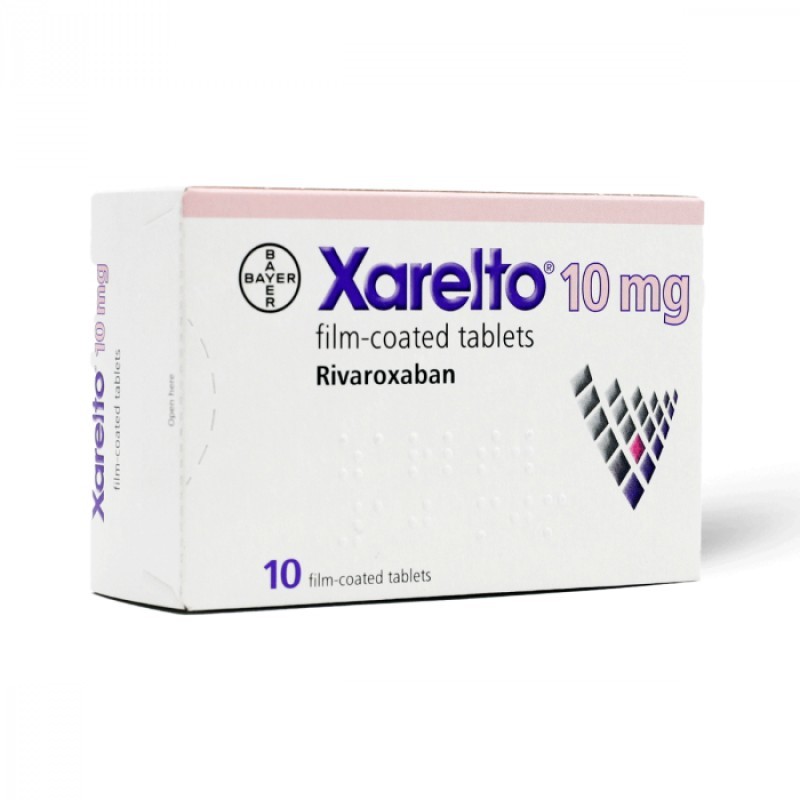
Define Xarelto 10 Bayer and Explain Its General Purpose
Xarelto 10 Bayer is a prescription anticoagulant medication primarily used for the prevention and management of thromboembolic disorders, including deep vein thrombosis (DVT), pulmonary embolism (PE), and to reduce the risk of stroke and systemic embolism in patients with nonvalvular atrial fibrillation. As a brand name for the active ingredient rivaroxaban, Xarelto works by inhibiting a key factor in the coagulation cascade known as Factor Xa. This inhibition is crucial in preventing blood clots from forming, thereby helping to manage the risk of serious cardiovascular events in susceptible populations.
The medication is typically available in various strengths, including a 10 mg formulation, which is commonly prescribed for patients requiring long-term anticoagulation as part of a comprehensive treatment strategy.
Describe How Xarelto 10 Bayer Fits Into Broader Treatment Strategies or Usage Approaches
Xarelto 10 Bayer is often integrated into broader treatment strategies involving both pharmacological and non-pharmacological interventions. Anticoagulation therapy is a key component of managing patients at high risk for thromboembolic events. In clinical practice, it is usually prescribed along with other medical therapies tailored to the individual patient’s risk factors and overall health profile.
Healthcare providers often assess a patient's need for anticoagulation based on their medical history, lifestyle factors, and potential for clotting disorders. Xarelto's role within these strategies may include:
- Notable convenience: As an oral anticoagulant, Xarelto does not require routine blood monitoring, making adherence to treatment easier for patients.
- Versatile application: It is used in various contexts, such as after orthopedic surgeries like hip or knee replacements, where patients are at high risk for DVT.
- Quick onset of action: Xarelto offers rapid anticoagulant effects, which is beneficial in acute settings, such as managing rapidly developing conditions.
- Broad applicability: It caters to diverse patient populations, including those with atrial fibrillation, a common arrhythmia associated with increased stroke risk.
- Predictable pharmacokinetics: The predictable behavior of the drug offers healthcare providers a reliable profile to manage anticoagulation therapy effectively.
Explain the Advantages Users Typically Expect from This Preparation
Patients and healthcare providers expect several key advantages when utilizing Xarelto 10 Bayer. These advantages contribute to its growing popularity in various anticoagulation therapies.
- No need for routine INR testing: Unlike traditional anticoagulants such as warfarin, Xarelto does not require periodic blood tests to monitor its effectiveness, making it a convenient option for many patients.
- Flexibility in dosage: The medication's dosing schedule can be tailored according to the patient's specific clinical situation, allowing for adjustments based on individual response.
- Rapid absorption: Xarelto quickly reaches peak plasma concentrations, leading to prompt anticoagulant effects for patients in need of immediate treatment.
- Low interaction profile: It has fewer dietary restrictions compared to older anticoagulants, which is beneficial in long-term management, as patients may have a more varied diet.
- Established efficacy and safety: Extensive clinical trials have demonstrated the effectiveness of Xarelto in reducing the risk of major thromboembolic events, providing reassurance to both patients and clinicians.
Discuss Risks, Precautions, and Contraindications for Use of This Preparation
Despite its advantages, Xarelto 10 Bayer is not without risks, and awareness of potential complications is essential for safe use. Patients should engage in candid discussions with their healthcare provider to understand these risks fully.
Key considerations include:
- Bleeding risks: One of the most significant concerns with any anticoagulant is the increased risk of bleeding, which can be serious. Patients on Xarelto should be monitored for signs of excessive bleeding, including bruising, blood in urine or stools, or prolonged bleeding from cuts.
- Kidney function: Xarelto is contraindicated in patients with severe renal impairment due to increased drug accumulation, which can enhance the risk of bleeding.
- Drug interactions: Caution should be exercised when Xarelto is taken in conjunction with other medications that affect coagulation, as these combinations may heighten risks.
- Pregnancy and lactation: Xarelto is not recommended for use during pregnancy due to potential adverse effects on fetal development.
- Special population considerations: Healthcare providers should evaluate elderly patients or those with liver issues carefully, as they may have altered drug metabolism.
Conclude with Guidance on How Users Should Approach Understanding and Using Xarelto 10 Bayer Responsibly
Responsibly managing Xarelto 10 Bayer involves a multifaceted approach centered around education, communication, and regular healthcare engagement. Patients should prioritize having ongoing discussions with their healthcare providers to clarify any questions regarding dosage, side effects, and necessary lifestyle adjustments. Understanding one's health condition and the role of Xarelto within the broader treatment strategy is essential to enhancing safety and treatment efficacy.
Patients should adhere strictly to prescribed dosages and schedules, and they must notify their healthcare providers of any new medications or health changes. Additionally, awareness of potential bleeding risks and prompt action in case of any concerning symptoms can help mitigate serious complications.
Finally, patients should engage in lifestyle modifications where appropriate, such as maintaining a balanced diet, staying physically active, and managing stress. This holistic approach not only complements the effects of Xarelto but also improves overall health and well-being.
| Features | |
| Acne | No |
| Active substance | Rivaroxaban |
| Also known as | BAY 59-7939 |
| Aromatization | No |
| Blood pressure | No significant effect on blood pressure |
| Chemical name | Rivaroxaban |
| Dosage (medical) | 10 mg, 15 mg, or 20 mg tablets once daily, depending on the condition being treated |
| Dosage (sports) | N/A |
| Effects | Reduces the risk of stroke and systemic embolism in patients with nonvalvular atrial fibrillation, treats deep vein thrombosis and pulmonary embolism, prevents blood clots in certain patients |
| Formula | C19H18ClN3O5S |
| Half-life | 5 to 9 hours in healthy individuals, up to 11 to 13 hours in the elderly |
| HBR | No |
| Hepatotoxicity | No |
| Lab Test | Anti-factor Xa activity can indirectly measure its effect but is not routinely monitored |
| Main action | Inhibits thrombin formation by directly targeting Factor Xa |
| Side effects | Bleeding, anemia, liver enzyme changes, dizziness, headache, rash |
| Storage conditions | Store at 15В°C to 30В°C (59В°F to 86В°F) in a dry place |
| Substance class | Anticoagulant |
| Trade name | Xarelto |
| Use in sports | Not typically used in sports |
| WAREHOUSE | International Warehouse 2 |
| Water Retention | No |
| Manufacturer | Bayer |