

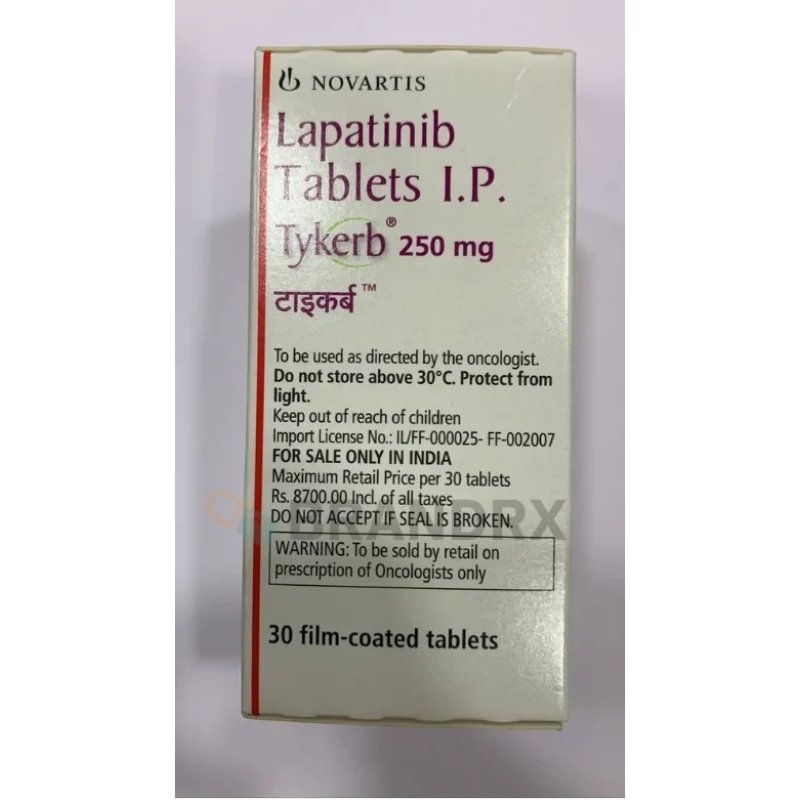
Understanding Tykerb 250 mg Novartis: Overview and Function
Tykerb 250 mg Novartis is a targeted therapy medication used primarily in the treatment of breast cancer, specifically in patients whose tumors express the HER2 protein. This drug belongs to a class of medications known as tyrosine kinase inhibitors, which work by interfering with the signaling pathways that promote cancer cell growth and survival. By blocking the action of the HER2 protein, Tykerb helps slow down or stop the progression of the disease, contributing to improved patient outcomes and quality of life.
Common Uses and Situations for Tykerb
Individuals seeking assistance with certain types of breast cancer may turn to Tykerb 250 mg Novartis as part of a comprehensive treatment plan. Common situations include cases where the cancer is metastatic (spread to other parts of the body) and when previous treatments have not yielded adequate results. This medication is often considered for those who have already undergone surgery or chemotherapy and require further intervention to manage their condition effectively. However, it is extremely important to get professional medical consultation before starting use. A healthcare provider will assess individual health circumstances and determine the most appropriate treatment options.
Is Tykerb 250 mg Novartis Right for You?
Determining if Tykerb 250 mg Novartis is suitable for you involves considering various factors such as the type and stage of your breast cancer, as well as your overall health. The following criteria can help you evaluate if this medication aligns with your treatment needs:
- You have been diagnosed with HER2-positive breast cancer.
- Your cancer has metastasized or has not responded to previous treatments.
- You are seeking a targeted therapy to complement other cancer treatments.
- You are under the care of an oncologist who specializes in breast cancer therapy.
- You are willing to monitor for potential side effects and follow up regularly with your healthcare provider.
It is essential to have an open dialogue with your healthcare professional to ensure that Tykerb is an appropriate choice for your specific diagnosis and health status.
Considerations and Contraindications for Use
When selecting Tykerb 250 mg Novartis, several important factors should be taken into account. Firstly, it is critical to discuss any pre-existing medical conditions with your healthcare provider, especially liver problems, as these can influence the effectiveness and safety of the drug. Additionally, Tykerb is not recommended for use in certain populations, including pregnant women, as it may pose risks to fetal development. Children and adolescents should also avoid this medication due to the lack of sufficient safety and efficacy data in this age group. Other contraindications may include known allergies to any of the components of the drug, so it is crucial to disclose full medical history to your healthcare team.
Key Takeaways on Tykerb 250 mg Novartis and Next Steps
In summary, Tykerb 250 mg Novartis represents a significant advancement in the targeted treatment of HER2-positive breast cancer. It offers hope for individuals seeking to manage their condition effectively, particularly after other treatments have failed. If you believe that Tykerb may be suitable for your circumstances, it is advisable to explore the available options through your oncology team. Schedule a consultation to discuss whether this medication aligns with your treatment goals and to establish a personalized care plan that considers all facets of your health and cancer journey.
| Features | |
| Active substance | Lapatinib |
| Also known as | GW572016 |
| Blood pressure | Can cause decreases in left ventricular ejection fraction, monitoring advised |
| Chemical name | N-{3-chloro-4-[(3-fluorophenyl)methoxy]phenyl}-6-[5-({[2-(methylsulfonyl)ethyl]amino}methyl)-2-furyl]quinazolin-4-amine |
| Dosage (medical) | Typically 1250 mg once daily, taken in combination with capecitabine |
| Dosage (sports) | Not applicable |
| Effects | Reduces the growth of cancer cells in patients with breast cancer overexpressing HER2 |
| Formula | C29H26ClFN4O4S |
| Half-life | Approximately 24 hours |
| Hepatotoxicity | Possible, liver function tests should be monitored |
| Lab Test | Monitoring of liver enzymes and bilirubin levels |
| Main action | Inhibits human epidermal growth factor receptor (HER) 2 and EGFR tyrosine kinases |
| Side effects | Diarrhea, rash, nausea, fatigue, vomiting, mouth sores |
| Storage conditions | Store at room temperature, protect from moisture and heat |
| Strength | 250mg |
| Substance class | Tyrosine kinase inhibitor |
| Trade name | Tykerb, Tyverb |
| Use in sports | Not used in sports |
| Water Retention | Minimal to none |
| Manufacturer | Novartis Ltd. |
| Packing | 30 tabs/bottle |