
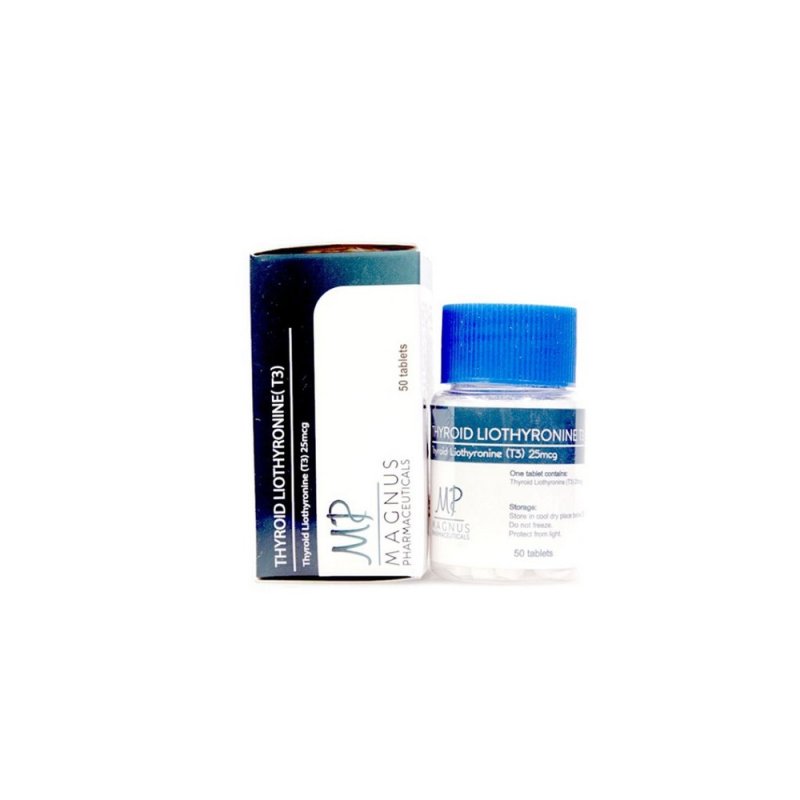
Thyroid Liothyronine (T3) 25 mcg Magnus Pharmaceuticals: Understanding Its Functionality and Features
Thyroid Liothyronine (T3) 25 mcg Magnus Pharmaceuticals is a synthetic form of the thyroid hormone triiodothyronine, commonly referred to as T3. This medication plays a crucial role in regulating the body’s metabolism, energy production, and overall endocrine function. As a powerful thyroid hormone, it mimics the natural T3 produced by the thyroid gland, helping to maintain normal physiological functions, especially in individuals with hypothyroidism, a condition characterized by insufficient hormone production. The key characteristics of this formulation include its precise dosage, high bioavailability, and rapid onset of action, making it an essential option for those needing thyroid hormone replacement therapy. Liothyronine is generally absorbed quickly by the body, ensuring that patients experience an effective response without long delays, which is often essential in managing their health conditions effectively.
Available Forms of Thyroid Liothyronine (T3) 25 mcg Magnus Pharmaceuticals
Thyroid Liothyronine (T3) 25 mcg Magnus Pharmaceuticals is primarily available in tablet form, making it convenient for oral administration. Each tablet is precisely dosed to deliver 25 micrograms of T3, ensuring that users can adhere to their prescribed treatment regimen with ease. The tablets are designed for effective absorption and fast action, which is particularly beneficial for individuals seeking to achieve stable thyroid levels promptly. Patients must follow their healthcare provider's recommendations regarding dosage frequency and quantity to maximize the therapeutic benefits while minimizing potential side effects.
Main Differences and Considerations for Thyroid Liothyronine (T3) 25 mcg Magnus Pharmaceuticals
One of the main differences between Thyroid Liothyronine (T3) 25 mcg Magnus Pharmaceuticals and other thyroid treatments, such as levothyroxine (T4), lies in its mechanism of action. While levothyroxine is generally converted by the body into T3, liothyronine provides the active hormone directly, leading to faster results. This can be particularly advantageous for patients who suffer from conversion issues or when rapid hormone action is required. Additionally, some individuals may respond better to T3 based on their unique metabolic profiles and hormone dynamics. Users should consider this option if they experience persistent symptoms despite treatment with other thyroid medications. However, it is essential to consult healthcare professionals before making any changes to treatment, as personal health circumstances can vary greatly.
Long-term Effects and Precautions for Thyroid Liothyronine (T3) 25 mcg Magnus Pharmaceuticals
Long-term use of Thyroid Liothyronine (T3) 25 mcg Magnus Pharmaceuticals can have beneficial effects on metabolism and energy levels, helping individuals lead a more balanced life. However, patients must understand that excessive use can lead to symptoms of hyperthyroidism, including weight loss, anxiety, and rapid heart rate. It is crucial for individuals considering this treatment to undergo thorough evaluations to rule out contraindications. This preparation may not be suitable for pregnant women, individuals with certain types of heart disease, or those who are sensitive to thyroid hormone therapy. A healthcare provider's guidance is necessary to ensure it is a safe and appropriate choice and to monitor for any adverse reactions or dosage adjustments required over time.
Practical Advice for Starting Thyroid Liothyronine (T3) 25 mcg Magnus Pharmaceuticals
When choosing or starting Thyroid Liothyronine (T3) 25 mcg Magnus Pharmaceuticals, it is essential to approach the treatment thoughtfully. First and foremost, consult a qualified healthcare professional to obtain a proper diagnosis and determine whether liothyronine is suitable for your situation. Starting with a low dose and gradually increasing it under medical supervision can help minimize potential side effects while allowing your body to adjust to the medication. Keep track of symptoms and progress, and be sure to schedule regular follow-ups with your doctor to assess thyroid levels and any necessary adjustments in dosage. Additionally, educating yourself about your condition and treatment options can empower you and enhance your overall management of hypothyroidism. By making informed decisions and working closely with healthcare professionals, you can achieve optimal health and well-being.
| Features | |
| Active substance | Cytomel |
| Also known as | T3, Triiodothyronine sodium |
| Blood pressure | Can cause an increase in blood pressure |
| Chemical name | Sodium (S)-2-amino-3-[4-(4-hydroxy-3-iodophenoxy)-3,5-diiodophenyl]propanoate |
| Dosage (medical) | Typically starts at 5 mcg per day, adjusted based on thyroid function tests |
| Dosage (sports) | Often 25 mcg per day, can vary |
| Effects | Increases metabolism, reduces body fat |
| Formula | C15H11I3NNaO4 |
| Half-life | Approximately 2.5 days |
| Hepatotoxicity | Low risk of hepatotoxicity |
| Lab Test | Thyroid function tests (T3 levels) |
| Main action | Increases basal metabolic rate |
| Side effects | Heart palpitations, nervousness, excessive sweating, weight loss |
| Storage conditions | Store at room temperature, protect from light |
| Substance class | Thyroid hormone |
| Trade name | Cytomel, Triostat |
| Use in sports | Used for weight loss and to increase energy |
| Water Retention | No significant water retention |
| Active ingredient, mg | 0,25 |
| Release form | Pills |
| 1 Pill, mg | 0,25 |
| Manufacturer | Magnus Pharmaceuticals |
| Packing | Packing (50 Pills) |