
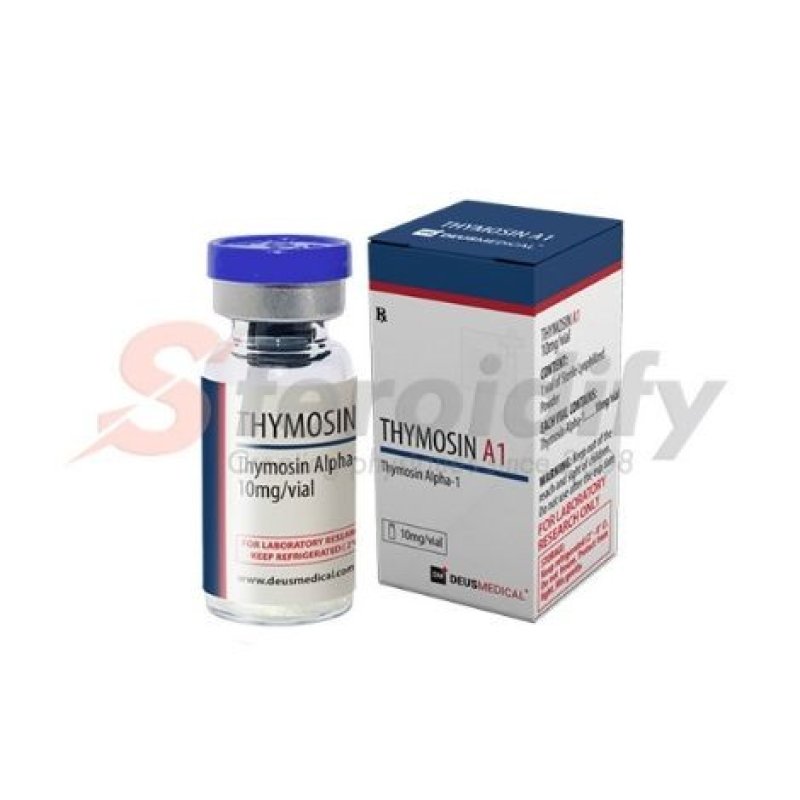
Understanding THYMOSIN A1 Deus Medical: Its Principles and Characteristics
THYMOSIN A1 Deus Medical is a synthetic peptide that plays a crucial role in the regulation of immune functions. Primarily derived from thymosin, it is known for its ability to enhance the immune system by promoting T-cell development and differentiation. The basic principle of operation revolves around its unique mechanism of action, which involves modulating the immune response to foster improved defense against infections and diseases. THYMOSIN A1 functions by stimulating the production of various cytokines, leading to an increase in natural killer cell activity and overall immune surveillance.
This compound is characterized by its high bioavailability and stability, allowing for effective absorption and utilization in the body. Its ability to invigorate immune responses comes from its influence on T-cells, particularly in rejuvenating aged or compromised immune systems. With a focus on natural immunity enhancement, THYMOSIN A1 positions itself as a significant player in immunotherapy and treatment regimens aimed at various conditions, ranging from viral infections to inflammatory diseases.
Available Forms of THYMOSIN A1 Deus Medical
THYMOSIN A1 Deus Medical is primarily available in injectable form. This method of administration is preferred for its rapid absorption and immediate effect on the immune system. The sterile solution is typically presented in vials, ensuring that healthcare professionals can maintain the integrity and stability of the peptide during storage and administration.
An alternative method occasionally discussed is its use in compounded formulations with other supportive agents, although these are less common. The injectable format allows clinicians to monitor dosages closely, making it a reliable choice for individualized treatment plans. As a peptide, the stability of THYMOSIN A1 is crucial; thus, it is essential to follow proper storage guidelines to preserve its effectiveness.
How THYMOSIN A1 Deus Medical Differs from Other Approaches
One of the standout features of THYMOSIN A1 Deus Medical is its distinct approach to immunomodulation compared to traditional therapies. Unlike broad-spectrum immunosuppressive drugs, which can weaken the immune system, THYMOSIN A1 is designed to enhance immune functionality without compromising overall immune defense. This selective immune enhancement makes it particularly appealing for users seeking to boost their immune response in a targeted manner.
Furthermore, THYMOSIN A1 Deus Medical is rooted in scientifically-backed research, showcasing its efficacy through various clinical studies. Many other treatments lack this solid foundation, making THYMOSIN A1 a more attractive option for individuals looking for reliable immune support solutions. Users should consider THYMOSIN A1 if they are experiencing recurrent infections, low immunity, or are seeking an alternative therapy to enhance their overall health.
Long-term Prospects and Contraindications of THYMOSIN A1 Deus Medical
When considering the long-term use of THYMOSIN A1 Deus Medical, research indicates promising potential in sustaining enhanced immune functionality over extended periods. Users have reported improved resilience against viral and bacterial infections, with many expressing a renewed sense of vitality and overall well-being. However, it is essential to approach long-term usage with caution.
Contraindications are an important aspect to consider. Typically, pregnant women, nursing mothers, and individuals with certain pre-existing conditions (such as autoimmune diseases or hypersensitivity to peptides) are advised against using THYMOSIN A1. Moreover, any potential user should consult with a healthcare professional to assess their health status and determine suitability before beginning treatment.
Practical Advice for Using THYMOSIN A1 Deus Medical
When choosing to start THYMOSIN A1 Deus Medical, it is vital to work closely with a qualified healthcare provider who can administer the correct dosage and monitor your response to treatment. Begin by discussing your health history and any medications you are currently taking to ensure there are no interactions or contraindications.
In terms of administration, adhere strictly to the professional advice regarding dosing schedule and any required follow-up evaluations. Users should also maintain a healthy lifestyle, including a balanced diet and regular exercise, to support immune function effectively. Lastly, keep an eye on how your body responds and report any unusual symptoms to your healthcare provider promptly.
| Features | |
| Active substance | Thymosin Alpha-1 |
| Also known as | TA1, Thymalfasin |
| Blood pressure | No significant impact |
| Chemical name | L-serine, L-tyrosyl-L-glutaminyl-L-cysteinyl-L-glutaminyl-L-threonyl-L-seryl-L-cysteinyl-L-prolyl-L-seryl-L-lysyl-L-leucyl-L-glutaminyl-L-threonyl-L-leucyl-L-glutamyl-L-asparaginyl-L-lysyl-L-lysyl-L-arginyl-L-arginyl-L-lysyl-L-threonyl-L-lysyl-L-leucyl-L-lysyl-L-glutamyl-L-threonyl-L-asparaginyl-L-threonyl-L-argininamide |
| Dosage (medical) | Typically 1.6 mg daily |
| Dosage (sports) | Not officially sanctioned for sports use |
| Effects | Enhanced immune response, increased activity of T-cells, modulation of cytokine production |
| FORM | 1 vial x 10 mg |
| Formula | C129H215N33O55 |
| Half-life | Approximately 2 minutes |
| Hepatotoxicity | Minimal to none |
| Lab Test | Immune response markers and T-cell counts |
| Main action | Immune modulation |
| Side effects | Local reactions at the injection site, possible systemic reactions like fever or fatigue |
| Storage conditions | Store in a refrigerator at 2-8В°C |
| Substance class | Peptide hormone |
| Trade name | Zadaxin |
| Use in sports | Not approved, potential use for immune support |
| Water Retention | None |
| Manufacturer | DEUS MEDICAL |