
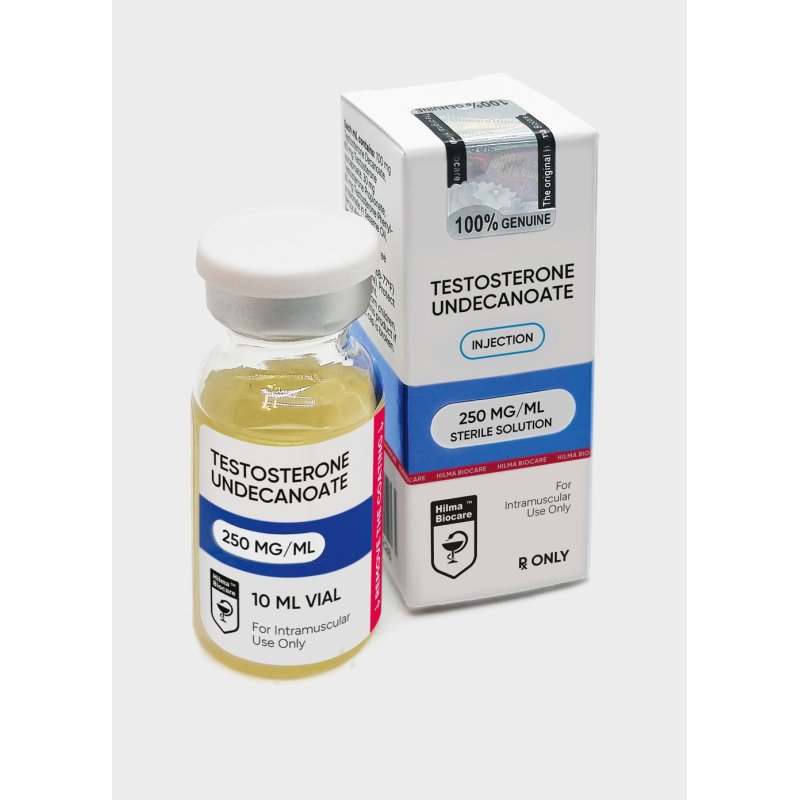
Understanding the Uses of Testosterone Undecanoate Pharmaceutical
Testosterone Undecanoate Pharmaceutical is a synthetic derivative of testosterone, primarily designed for male patients experiencing low testosterone levels. Users typically seek to alleviate symptoms associated with testosterone deficiency, such as fatigue, decreased libido, mood changes, and loss of muscle mass. Common misunderstandings about this medication often revolve around the notion of quick fixes and instant results. It is important for potential users to recognize that improving testosterone levels is typically a gradual process rather than an immediate transformation. Users should also be aware that while supplements like Testosterone Undecanoate can be effective, they should not be viewed as the sole solution to low energy or hormonal imbalances. A holistic approach that includes diet, exercise, and regular health check-ups is essential for optimizing overall wellness.
Mechanisms and Importance of Testosterone Undecanoate
The efficacy of Testosterone Undecanoate Pharmaceutical lies in its unique mechanism of action. Upon administration, this preparation is absorbed and metabolized by the liver, allowing for a steady release of testosterone into the bloodstream. This slow release helps to maintain consistent testosterone levels, reducing the risk of dramatic fluctuations associated with other forms of testosterone therapy. To achieve optimal results, it is crucial to understand individual variations in metabolism, as they can significantly influence treatment outcomes. Factors such as age, body composition, and overall health must be considered when assessing how Testosterone Undecanoate will work in a particular individual. Proper dosing and timing are equally important in achieving the desired therapeutic effects. Monitoring testosterone levels through regular blood tests can provide valuable insight into how well the medication is working, ensuring that adjustments can be made when necessary.
Safety and Considerations of Testosterone Undecanoate Pharmaceutical
While Testosterone Undecanoate can offer numerous benefits, it is essential to recognize its limitations and contraindications. Not every individual is a suitable candidate for this treatment, and potential risks accompany any hormonal therapy. Patients with a history of prostate cancer, severe liver dysfunction, or cardiovascular issues should consult healthcare professionals before considering this medication. Additionally, some individuals may experience side effects, which can range from mild discomfort to more severe reactions. To mitigate the potential for adverse effects, a thorough consultation with a healthcare provider is necessary before initiating treatment. They can provide personalized guidance, ensuring the treatment aligns with an individual’s health status and goals. It is crucial to have open and honest discussions regarding personal health history and any existing conditions, as this information is integral to determining the appropriateness of Testosterone Undecanoate therapy.
Exploring Alternatives to Testosterone Therapy
Many patients might explore various options when dealing with symptoms related to low testosterone, including lifestyle changes, dietary adjustments, and other supplements. Traditional testosterone replacement therapies can be accompanied by complexities and side effects, making it vital to weigh the potential benefits against the risks. Understanding one’s own health preferences and personal reactions to different treatments can aid in making informed decisions. It is often recommended to seek not only the latest scientific data but also to consider personal feelings related to body changes, mood fluctuations, and overall well-being as integral parts of this decision-making process. Consulting healthcare providers or specialists can help guide users towards incorporating healthier habits or alternative treatments alongside or instead of Testosterone Undecanoate Pharmaceutical.
Navigating Information on Testosterone Undecanoate Pharmaceutical
Those interested in learning more about Testosterone Undecanoate Pharmaceutical are encouraged to explore the wealth of information available. Carefully reviewing the sections dedicated to its uses, benefits, potential side effects, and safety measures is essential for informed decision-making. As this treatment may not be suitable for everyone, it’s equally important to understand the broader context of testosterone replacement therapy and the role it plays within comprehensive health management. The page may include various resources, such as patient testimonials, FAQs, and expert articles, which can offer additional insight and perspectives. Engaging in discussions with healthcare professionals and other users can further enhance understanding, allowing for a more rounded view of the therapeutic landscape surrounding Testosterone Undecanoate Pharmaceutical. As with any health-related journey, informed decisions are the most empowering, ensuring that users can pursue their goals with confidence and clarity.
| Features | |
| Also known as | TU |
| Blood pressure | Can cause hypertension in susceptible individuals |
| Chemical name | Testosterone undecanoate |
| Dosage (medical) | 750 mg initially, followed by 750 mg after 4 weeks, then 750 mg every 10 weeks thereafter |
| Dosage (sports) | 240 mg to 480 mg per week |
| Effects | Increases muscle mass and strength, improves mood and libido |
| Formula | C30H48O3 |
| Half-life | Approximately 33 days in intramuscular injection form |
| Hepatotoxicity | Low |
| Lab Test | Testosterone levels |
| Main action | Androgen replacement therapy |
| Side effects | Acne, changes in liver function tests, pain at injection site, increased hematocrit, possible increase in risk of cardiovascular disease |
| Storage conditions | Store at controlled room temperature, protect from light |
| Substance class | Androgen |
| Trade name | Aveed, Nebido, Andriol |
| Use in sports | Used to increase muscle mass and strength |
| Water Retention | Low to moderate |
| Manufacturer | Pharmaceutical |