
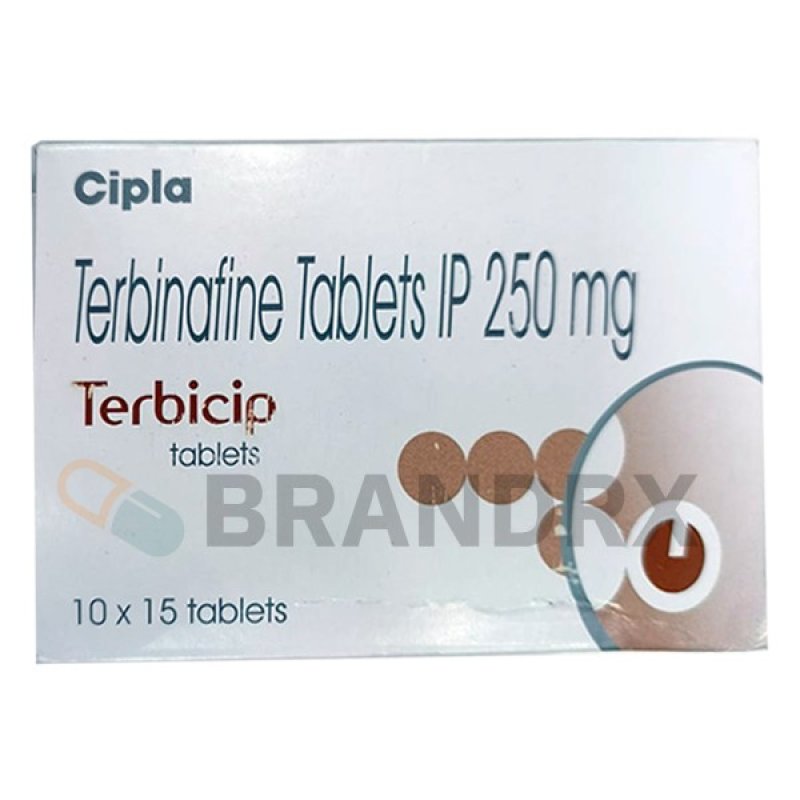
Terbicip 250 mg Cipla: Understanding Its Purpose and Function
Terbicip 250 mg Cipla is a pharmaceutical product manufactured by Cipla, designed primarily for the treatment of fungal infections. This medication contains the active ingredient Terbinafine, which is an antifungal agent that works by inhibiting the growth of fungi. Terbicip is widely used for its effectiveness in managing conditions caused by dermatophytes, yeasts, and molds. Its primary function is to eliminate the infection at its source, thereby relieving symptoms such as itching, redness, and discomfort associated with fungal infections. Terbicip 250 mg Cipla is typically prescribed for both superficial and systemic fungal infections, proving to be an essential medication for individuals affected by these conditions.
Common Uses of Terbicip 250 mg Cipla
This antifungal agent is frequently used in various clinical scenarios. Terbicip 250 mg Cipla is commonly prescribed for the treatment of dermatophyte infections such as athlete’s foot, jock itch, and ringworm. Additionally, it is effective against yeast infections like Candida albicans and other superficial fungal infections of the skin. Due to its broad-spectrum antifungal activity, Terbicip serves to address a wide range of fungal infections effectively.
Before initiating treatment with Terbicip 250 mg Cipla, it is extremely important to seek professional medical advice. A healthcare provider can provide guidance tailored to your specific health needs, ensuring that this medication is suitable for your condition and that potential drug interactions are considered.
Is Terbicip 250 mg Cipla Right for You?
Determining whether Terbicip 250 mg Cipla is the right choice for your treatment requires consideration of several factors. Here are some key benefits and criteria to help assess your suitability for this antifungal medication:
- Effective treatment for a variety of fungal infections
- Fast relief from itching and inflammation
- Prescription strength with proven efficacy in clinical studies
- Well-tolerated by most patients with mild side effects
- Non-invasive option compared to surgical intervention for severe infections
Individuals who have previously diagnosed fungal infections or are experiencing symptoms of such infections may find Terbicip beneficial. However, it is essential to consult with a healthcare professional to evaluate your medical history, any potential allergies, and other health considerations before starting this treatment.
Choosing Terbicip 250 mg Cipla: Important Considerations
When making a choice regarding the use of Terbicip 250 mg Cipla, it is crucial to identify specific contraindications. This medication is not recommended for certain populations, including pregnant women, nursing mothers, and young children unless directed by a healthcare professional. Additionally, individuals with pre-existing liver or kidney conditions, autoimmune diseases, or those taking medications that may interact adversely with Terbinafine should exercise caution. Always consult your doctor regarding your health conditions and any other medications you are taking to ensure safe use of Terbicip.
Understanding these considerations will contribute to making an informed decision about treatment options and the potential benefits of Terbicip 250 mg Cipla.
Key Information and Next Steps for Terbicip 250 mg Cipla
In summary, Terbicip 250 mg Cipla is a key medication for treating various fungal infections, providing effective relief and treatment options. It is vital to pursue professional medical advice before starting therapy to ensure that it is appropriate for your needs. Being aware of potential contraindications and suitability criteria can enhance your treatment experience.
After consulting a healthcare professional, if Terbicip 250 mg Cipla is deemed appropriate for you, follow their treatment plan and prescribed dosage carefully. Should you experience any side effects or have concerns during your treatment, do not hesitate to contact your healthcare provider for guidance. Taking these essential steps will help ensure a successful recovery and a return to optimal health.
| Features | |
| Also known as | Lamisil |
| Blood pressure | Typically has no effect on blood pressure |
| Chemical name | (E)-N-(6,6-dimethyl-2-hepten-4-ynyl)-N-methyl-1-naphthalenemethanamine |
| Dosage (medical) | 250 mg once daily for 6 weeks (for fingernail fungus) or 12 weeks (for toenail fungus) |
| Dosage (sports) | Not applicable |
| Effects | Treats fungal infections by inhibiting the fungal squalene epoxidase, leading to a deficiency in ergosterol, an essential component of fungal cell membranes, causing cell death |
| Formula | C21H25N |
| Half-life | 200–400 hours (8.5–16.7 days) |
| Hepatotoxicity | Possible, especially with prolonged use |
| Lab Test | Liver function tests recommended before and during treatment |
| Main action | Antifungal |
| Side effects | Headache, gastrointestinal disturbances, rash, liver enzyme elevations, taste disturbances |
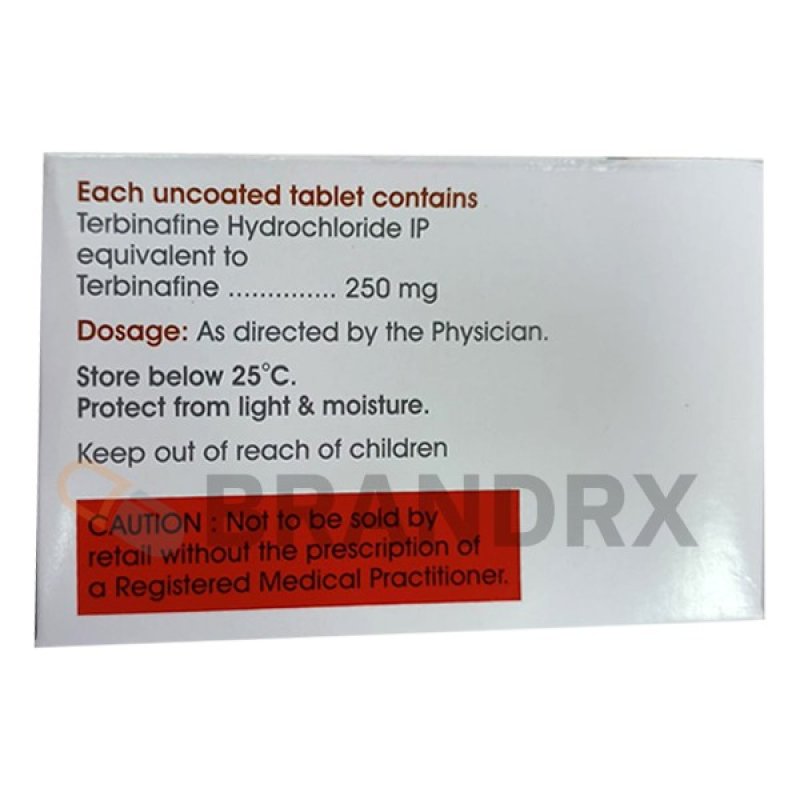
| Storage conditions | Store at room temperature away from moisture and heat |
| Strength | 250 mg |
| Substance class | Allylamine antifungal |
| Trade name | Lamisil, Terbinex |
| Use in sports | Not typically used in sports |
| Water Retention | None |
| Manufacturer | Cipla |