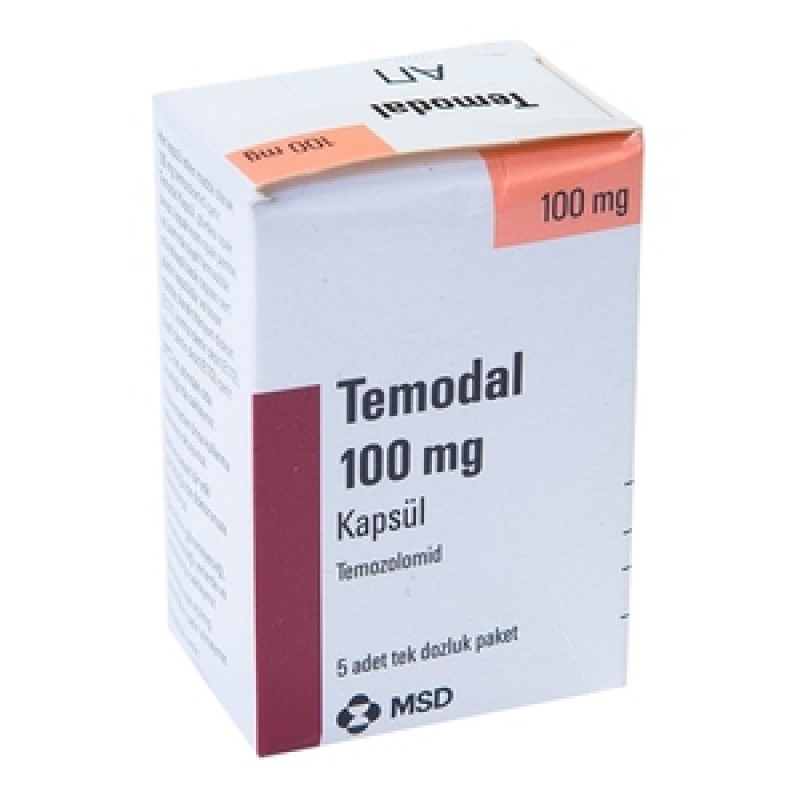
Understanding User Needs for Temodal 100 MSD
Users seeking information about Temodal 100 MSD often have specific goals in mind. Many are looking for effective treatment options for certain types of brain tumors, particularly glioblastoma multiforme and anaplastic astrocytoma. The medication is commonly sought after due to its reputation as a chemotherapy agent that can play a pivotal role in oncological care. However, misconceptions surrounding its use can lead to confusion. Some individuals may misunderstand the nature of chemotherapy as being solely a means of killing cancer cells. In fact, Temodal 100 MSD works by interfering with the growth and reproduction of cancer cells, which can often lead to improved outcomes if used correctly.
It is essential for users to recognize that while Temodal 100 MSD can contribute to a treatment plan, it is not a standalone solution. Many patients may believe that simply taking the medication will resolve their cancer without understanding the critical role of comprehensive care, including surgical interventions, radiation therapy, and supportive treatments. Consequently, it is important for patients and caregivers to be well-informed from the start, ensuring that they have realistic expectations and a clear grasp of how Temodal fits into the broader context of cancer care.
The Mechanism of Action of Temodal 100 MSD
Temodal 100 MSD is an oral chemotherapy medication containing temozolomide as its active ingredient. This drug works by a process known as alkylation, which involves the addition of alkyl groups to DNA molecules. This alteration affects the DNA structure, preventing cancer cells from dividing and multiplying. One of the factors influencing the drug’s effectiveness lies in the timing and duration of the treatment. Following a specific dosing schedule and adhering to doctor recommendations can significantly impact the overall success rate.
Additionally, the way Temodal is metabolized in the body is critical to its efficacy. Upon ingestion, it is rapidly absorbed into the bloodstream and converted into its active metabolites, which are then able to penetrate the blood-brain barrier effectively. This characteristic makes Temodal particularly beneficial for treating brain tumors, allowing it to target areas that may not be reachable by other therapies. The role of the immune system and genetic factors in response to the medication are also significant. Different individuals may metabolize the drug at varying rates, which can ultimately affect the treatment’s success and side effects faced during therapy.
Limitations and Precautions for Temodal 100 MSD
While Temodal 100 MSD holds promise for many patients battling specific types of cancer, it is crucial to be aware of its limitations and contraindications. Not all patients are candidates for this medication, and certain pre-existing conditions may affect its use. For example, patients with a history of bone marrow suppression or severe allergic reactions to components of the drug should avoid it. Moreover, the potential side effects, such as nausea, vomiting, and fatigue, should not be overlooked. In some cases, patients might experience more serious complications, like infections or low blood counts, necessitating monitoring by healthcare professionals.
Before embarking on a treatment plan involving Temodal 100 MSD, consultations with oncologists and healthcare providers are essential. These experts can provide personalized guidance based on the patient's unique medical history, current condition, and overall treatment goals. Collaboration with a healthcare team allows for a tailored approach that considers the potential for drug interactions, previous therapies, or concurrent medications that may impact treatment outcomes. Patients should engage in open discussions about any concerns or side effects they may experience during therapy to ensure timely adjustments and support throughout their journey.
Exploring the Benefits of Temodal 100 MSD
Temodal 100 MSD offers several benefits that make it a vital option for cancer treatment in suitable patients. Its oral administration route provides convenience compared to traditional injections or infusions, making it easier for patients to manage their treatment plans. Additionally, as a pill form of chemotherapy, it can often be taken in the comfort of one's home, reducing the need for frequent hospital visits. This aspect of treatment management often leads to a better quality of life and may enhance patient adherence to the prescribed regimen.
Furthermore, Temodal's ability to cross the blood-brain barrier enables effective targeting of brain tumors, an advantage not shared by many other chemotherapy medications. The composition of Temodal 100 MSD also supports its overall efficacy in specific cancer types, underlining the importance of selecting the right therapeutic option tailored to the patient's condition. Understanding these benefits is key for patients and advocates who are navigating treatment pathways and seeking the most effective options available in the marketplace.
Next Steps for Patients Interested in Temodal 100 MSD
For patients intrigued by Temodal 100 MSD, the next logical step involves comprehensive research and consultation with healthcare professionals. It is important to navigate the product page thoroughly, as it may contain vital information about dosing schedules, potential clinical trials, and patients' experiences with the medication. Reviewing clinical studies or guidelines can also serve as helpful resources to evaluate how this treatment fits into modern cancer care strategies.
Moreover, staying informed through trustworthy medical resources, patient testimonials, and updates from cancer treatment organizations can enhance understanding and preparedness. It is encouraged for patients to keep a record of their questions, concerns, and symptoms to discuss with their healthcare teams during appointments. By remaining proactive and engaged, patients can effectively participate in their treatment decisions while leveraging the potential of Temodal 100 MSD as part of a comprehensive strategy in their fight against cancer.