
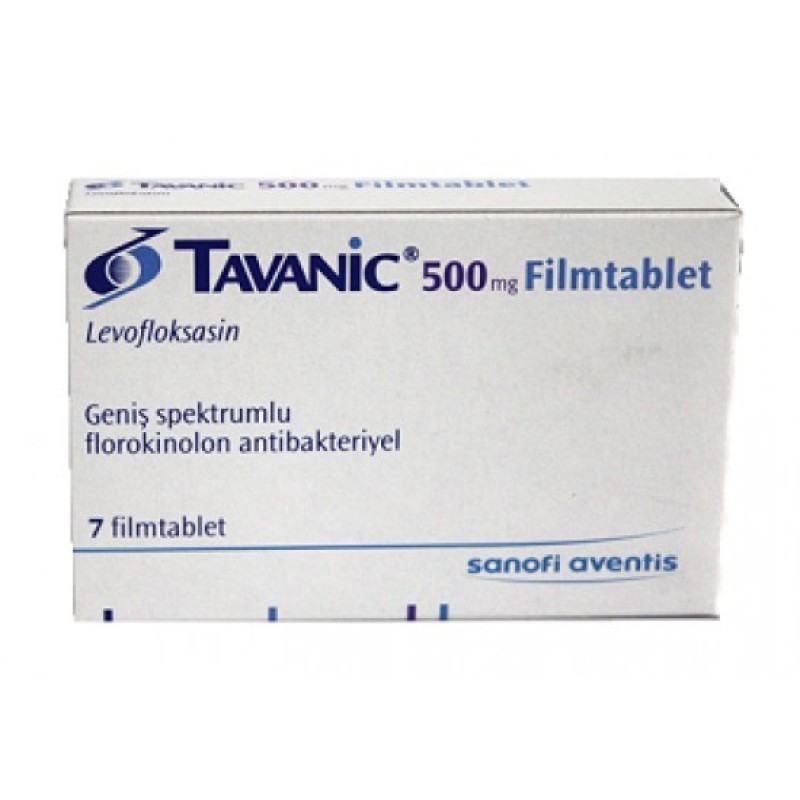
Key features of Tavanic Sanofi and its advantages
Tavanic Sanofi is a widely recognized antibiotic that belongs to the fluoroquinolone class of medications. Its active ingredient, levofloxacin, is effective against a broad spectrum of bacterial infections. One of the key features of Tavanic Sanofi is its ability to inhibit bacterial DNA synthesis, ultimately leading to the death of the bacteria. This mechanism allows it to be used effectively to treat various infections, including respiratory tract, urinary tract infections, and skin infections, among others. The medication is known for its high bioavailability and deep tissue penetration, which enhances its efficacy in treating infections located in challenging areas of the body.
Furthermore, Tavanic Sanofi offers several advantages compared to other antibiotics. Its once-daily dosing regimen simplifies treatment adherence for patients, making it easier to incorporate into daily routines. Additional benefits include a favorable pharmacokinetic profile, which contributes to reduced side effects and the risk of developing antibiotic resistance. In essence, Tavanic Sanofi’s targeted action, convenience, and effectiveness unify it as a reliable solution for managing bacterial infections.
Pharmacological properties and mechanism of action
The pharmacological properties of Tavanic Sanofi highlight its role as a broad-spectrum antibiotic. It is available in various forms, including oral tablets and intravenous solutions, catering to different patient needs and conditions. The oral tablets provide a practical solution for outpatient treatment, while the intravenous formulation is often used in hospital settings for patients who require immediate treatment or cannot take oral medications.
Tavanic Sanofi’s primary mechanism of action involves the inhibition of two essential bacterial enzymes, DNA gyrase and topoisomerase IV. By disrupting these enzymes, Tavanic Sanofi effectively prevents bacterial replication and transcription, leading to the eradication of the infectious bacteria. This targeted approach minimizes harm to the body's normal flora, reducing the likelihood of side effects typically associated with antibiotic treatments.
Indications for the use of Tavanic Sanofi
Tavanic Sanofi is indicated for the treatment of a variety of bacterial infections, distinguishing itself from other pharmacological solutions through its effectiveness in respiratory, urinary, and skin infections. For instance, it is commonly prescribed for conditions such as pneumonia, bronchitis, and pyelonephritis, where it demonstrates superior efficacy in comparison to other antibiotics in the same class.
What sets Tavanic Sanofi apart is its ability to work against both Gram-positive and Gram-negative bacteria, making it a versatile choice for healthcare providers. Users may consider Tavanic Sanofi for its fast-acting properties, which often lead to quicker symptom resolution and recovery times. This medication is particularly beneficial for patients with complex infections who may not respond adequately to standard antibiotic therapies. With a robust safety profile and well-established efficacy, Tavanic Sanofi continues to establish itself as a first-line treatment in many clinical settings.
Impact on training results
The long-term effects of using Tavanic Sanofi in treating bacterial infections are significant for ensuring successful recovery and maintaining public health. However, it is crucial to be aware of contraindications and to whom this pharmaceutical product is not suitable. For instance, pregnant women and nursing mothers should avoid using Tavanic Sanofi due to the potential risks posed to the fetus or infant. Additionally, children under the age of 18 should also refrain from using this medication unless under strict medical supervision, as fluoroquinolones have been associated with adverse effects on developing joints.
Individuals with a history of tendon disorders or those who are currently taking corticosteroids should use Tavanic Sanofi cautiously, as they are at increased risk for tendon ruptures. Furthermore, patients with certain medical conditions, such as renal impairment, must have their dosage adjusted appropriately to prevent toxicity. Understanding these risks ensures that Tavanic Sanofi is used responsibly while maximizing its therapeutic benefits.
Order online in the USA
Ordering Tavanic Sanofi online in the USA has become increasingly accessible, allowing users to explore various options to procure this essential medication. Patients are encouraged to consult with their healthcare provider to obtain a prescription before making a purchase, as it is vital to ensure that Tavanic Sanofi is the appropriate treatment for their specific condition.
Possible side effects and ways to minimize them
As with any pharmaceutical product, Tavanic Sanofi may cause side effects, some of which are common, while others may be serious. Common side effects include gastrointestinal disturbances, such as nausea and diarrhea, as well as headaches and dizziness. To minimize these effects, users are advised to take the medication with food and maintain adequate hydration during treatment.
Serious side effects, although rare, can include allergic reactions, tendon damage, and irregular heart rhythms. It is important for patients to be vigilant and report any unusual symptoms to their healthcare provider promptly. Responsible use principles related to Tavanic Sanofi include adhering to prescribed dosages, completing the full course of treatment, and not using the medication for viral infections, as this can contribute to antibiotic resistance.
Being aware of potential side effects and adopting preventive measures allows patients to utilize Tavanic Sanofi effectively while safeguarding their health and well-being during treatment.
| Features | |
| Acne | No |
| Active substance | Levofloxacin |
| Also known as | L-isomer of Ofloxacin |
| Aromatization | No |
| Blood pressure | No direct effects on blood pressure |
| Chemical name | (S)-9-Fluoro-2,3-dihydro-3-methyl-10-(4-methyl-1-piperazinyl)-7-oxo-7H-pyrido[1,2,3-de]-1,4-benzoxazine-6-carboxylic acid |
| Classification | Antibiotic Fluoroquinolone |
| Dosage (medical) | Typically 250 mg to 750 mg once daily, depending on the infection type and severity |
| Dosage (sports) | Not applicable |
| Effects | Effective against a broad range of gram-positive and gram-negative bacteria |
| Formula | C18H20FN3O4 |
| Half-life | Approximately 6 to 8 hours |
| HBR | No |
| Hepatotoxicity | Low |
| Lab Test | Not specifically monitored via lab tests in standard clinical practice |
| Main action | Antibacterial |
| Side effects | Nausea, diarrhea, headache, dizziness, insomnia, and potential for tendon damage |
| Storage conditions | Store at room temperature away from moisture and heat |
| Substance class | Fluoroquinolone antibiotic |
| Trade name | Levaquin, Tavanic, and others |
| Use in sports | Not typically used in sports, misuse can lead to serious health risks |
| WAREHOUSE | International Warehouse 2 |
| Water Retention | No |
| Manufacturer | Sanofi |