
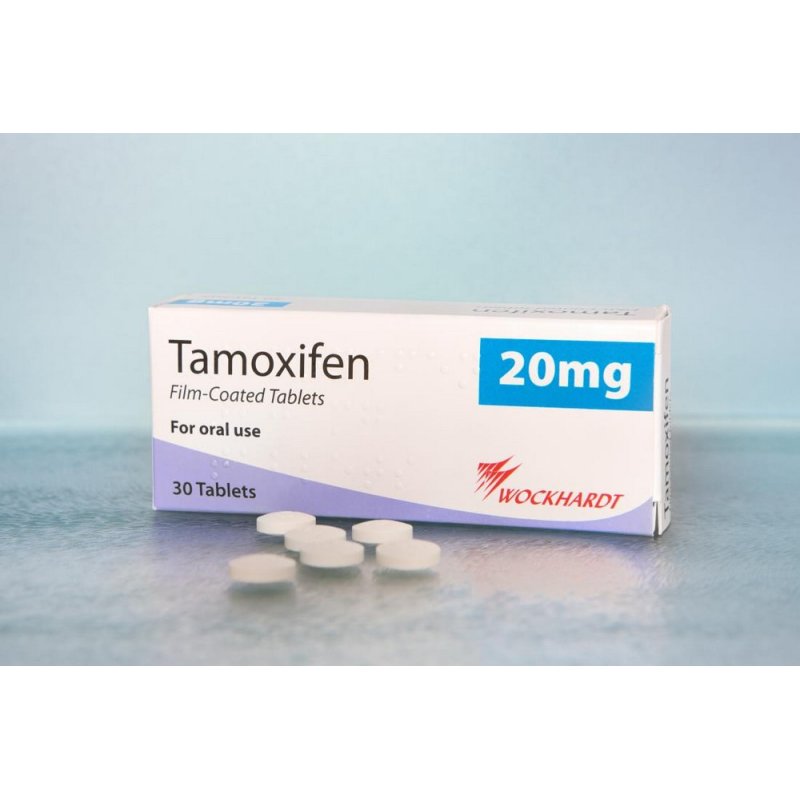
Tamoxifen UKPharma grade(brand may vary) Pharmaceutical: Understanding Its Definition and Mechanism of Action
Tamoxifen UKPharma grade(brand may vary) Pharmaceutical is a well-known selective estrogen receptor modulator (SERM) commonly used in the treatment of hormone receptor-positive breast cancer. This medication operates by binding to estrogen receptors on tumor cells, effectively inhibiting the proliferation of cancerous cells stimulated by estrogen. One of the key features that define this pharmaceutical is its dual action: it can act as an estrogen antagonist in breast tissue, thereby thwarting the growth of estrogen-dependent tumors, while simultaneously functioning as an estrogen agonist in other tissues, such as bone and endometrium, which can promote bone density and minimize menopausal symptoms.
Alongside its therapeutic properties, Tamoxifen is characterized by its pharmacokinetics, which include a relatively long half-life, allowing for once-daily dosing in most cases. Moreover, the UKPharma grade ensures that the product meets stringent quality and regulatory standards, providing patients with confidence in its efficacy and safety.
Main Forms of Tamoxifen and Their Variants
Tamoxifen is primarily available in two main forms: tablets and liquid formulations. The tablet form is the most common, often prescribed for daily use at a specified dosage determined by healthcare professionals based on the patient's condition. Liquid formulations may be favored for patients who have difficulty swallowing pills or for pediatric use under medical discretion.
Moreover, manufacturers may vary in their branding and formulation which can influence the cost and availability of the drug. Although the active ingredient remains the same, excipients and binding agents might differ, leading to variations in the absorption rate and potential side effects among different brands. Therefore, it is essential for patients to remain consistent with the brand advised by their healthcare provider.
Why Choose Tamoxifen UKPharma grade(brand may vary) Pharmaceutical Over Other Treatments?
Tamoxifen UKPharma grade(brand may vary) Pharmaceutical stands out among other treatments due to its targeted action on estrogen receptors, which allows for a tailored therapeutic approach for patients with specific types of breast cancer. Unlike other broader-spectrum chemotherapies, Tamoxifen is less likely to cause systemic toxicities, such as severely impacting blood cell counts or compromising organ function.
Additionally, while aromatase inhibitors are another class of hormonal treatments, they are typically only effective in postmenopausal women. Tamoxifen, on the other hand, can be utilized in both premenopausal and postmenopausal patients, making it a versatile option across different patient demographics. This benefit underscores why healthcare providers often recommend Tamoxifen as part of a comprehensive treatment plan.
Long-Term Effects, Prospects of Use and Contraindications
Long-term use of Tamoxifen has been shown to provide beneficial effects in reducing the recurrence of breast cancer and lowering the risk of developing contralateral breast cancer. Many patients can maintain a stable quality of life while on this regimen. However, it is crucial for users to be aware of potential side effects, including hot flashes, mood swings, and an increased risk of thromboembolic events.
Notably, Tamoxifen is not recommended for everyone. It is contraindicated in pregnant women due to potential risks to fetal development, as well as in individuals with a history of venous thromboembolism or those who are hypersensitive to the drug. Patients with active liver disease or a history of hormone-sensitive malignancies other than breast cancer should also approach its use with caution. Consulting healthcare professionals for personalized advice is essential.
Practical Advice for Users of Tamoxifen UKPharma grade(brand may vary) Pharmaceutical
For individuals considering or starting to use Tamoxifen UKPharma grade(brand may vary) Pharmaceutical, it is advisable to consult a healthcare provider to determine the appropriate dose that aligns with their health history and cancer stage. Patients should follow prescribed regimens and attend regular follow-up appointments to monitor their response to treatment.
Additionally, lifestyle modifications such as a balanced diet, regular physical activity, and smoking cessation may enhance treatment efficacy and overall well-being. Being informed about the potential side effects and actively communicating any concerns with healthcare teams is crucial for optimizing therapeutic outcomes. Building a support network can also be beneficial in navigating the emotional aspects of cancer treatment.
| Features | |
| Also known as | TAM, tamoxifen citrate |
| Blood pressure | Little to no effect on blood pressure |
| Chemical name | (Z)-2-[4-(1,2-Diphenyl-1-butenyl)phenoxy]-N,N-dimethylethanamine |
| Dosage (medical) | 20 mg daily |
| Dosage (sports) | 10-20 mg daily |
| Effects | Reduces the effect of estrogen in the body, can stimulate ovulation |
| Formula | C26H29NO |
| Half-life | 5 to 7 days |
| Hepatotoxicity | Low, but rare cases of liver cancer and liver-related deaths have been reported |
| Lab Test | Monitoring liver function tests is recommended |
| Main action | Estrogen receptor antagonist |
| Side effects | Hot flashes, vaginal discharge, menstrual irregularities, increased risk of endometrial cancer, cataracts, and thromboembolic events such as deep vein thrombosis and pulmonary embolism |
| Storage conditions | Store at room temperature away from moisture and heat |
| Substance class | Selective Estrogen Receptor Modulator (SERM) |
| Trade name | Nolvadex, Soltamox |
| Use in sports | Used to counteract the side effects of anabolic steroids, specifically gynecomastia |
| Water Retention | No |
| Manufacturer | Pharmaceutical |