
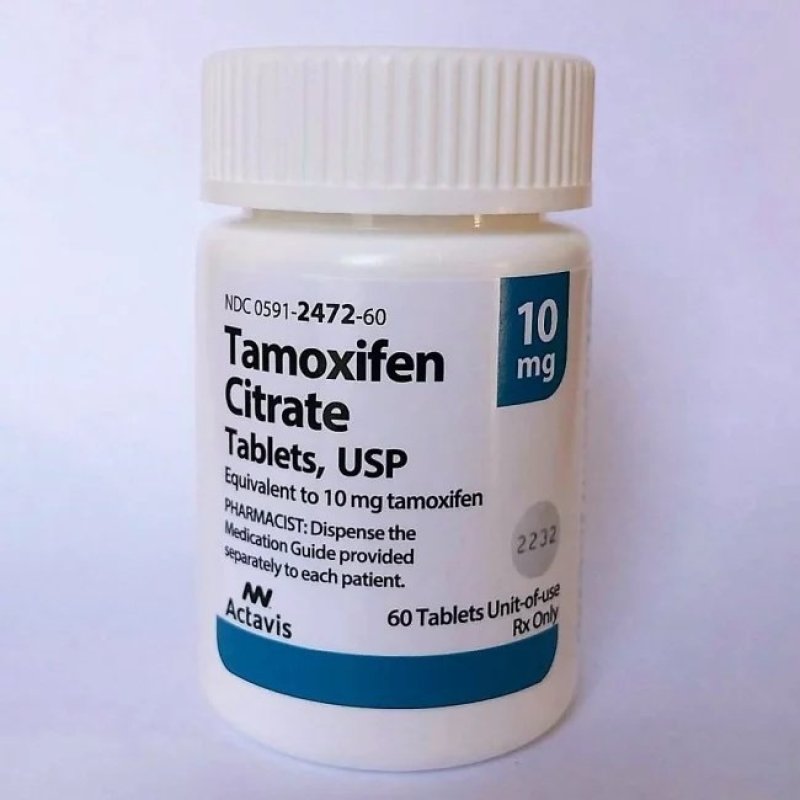
Tamoxifen Actavis: An Overview of Its Characteristics and Functionality
Tamoxifen Actavis is a medication commonly prescribed for the treatment and prevention of breast cancer. It belongs to a class of drugs known as selective estrogen receptor modulators (SERMs). The primary mechanism of action for Tamoxifen Actavis is its ability to bind to estrogen receptors, thereby blocking the effects of estrogen in breast tissues. This is particularly significant for hormone receptor-positive breast cancers, where estrogen promotes the growth of cancer cells. Tamoxifen Actavis is designed to combat such cancers by reducing estrogen's stimulatory effects.
Key characteristics of Tamoxifen Actavis include its effectiveness in both males and females, its oral administration, and its role in reducing the risk of breast cancer in women with a family history of the disease. As a well-researched and established treatment, it has proven to be a crucial tool in oncological therapies, offering patients not only hope but also a substantial chance of recovery and long-term survival.
Available Forms and Presentation of Tamoxifen Actavis
Tamoxifen Actavis is primarily available in tablet form, making it easy for patients to consume. Each tablet typically contains a specific dosage of Tamoxifen citrate, which can vary depending on the prescribing physician's recommendation. Standard dosages range from 10 mg to 20 mg, and they are usually taken once a day, with or without food. The convenience and accessibility of oral tablets have made Tamoxifen Actavis a favorable option for many patients undergoing treatment.
The medication's packaging often includes a blister pack or bottle, ensuring the integrity and safety of the tablets prior to use. In addition to the active ingredient, the formulation may contain inactive ingredients that help ensure the medication's stability and effectiveness.
Why Choose Tamoxifen Actavis Over Other Treatment Options
When considering treatment for hormone receptor-positive breast cancer, it is essential to understand the advantages of Tamoxifen Actavis compared to other therapies. Unlike traditional chemotherapy, which can have a broad and aggressive impact on cancer cells, Tamoxifen Actavis specifically targets estrogen receptors. This targeted approach often results in fewer side effects and a better quality of life for patients during treatment.
Additionally, Tamoxifen Actavis can be used not only in active cancer treatment but also as a preventive measure for high-risk patients. This dual functionality is particularly appealing and sets it apart from other treatment modalities that might only address cancer after it has developed. The medication has a long-standing history of use, providing a wealth of clinical data that supports its efficacy and safety profile.
Long-Term Effects and Considerations for Use
While the benefits of Tamoxifen Actavis are substantial, it is crucial for potential users to be aware of the long-term effects and any contraindications associated with the medication. Long-term use of Tamoxifen may lead to benefits such as reduced recurrence rates in breast cancer and improved survival rates. However, some patients may experience side effects, including hot flashes, mood swings, or an increased risk of certain health conditions, such as uterine cancer or blood clots.
Tamoxifen Actavis may not be suitable for everyone. Pregnant women should avoid this medication due to the potential risks to the fetus. Additionally, individuals with a history of blood clots, liver disease, or those who are taking other medications that may interact negatively should consult their healthcare provider for an in-depth evaluation before starting treatment with Tamoxifen Actavis. Children are also generally not prescribed this drug.
Practical Advice for Using Tamoxifen Actavis
When considering the use of Tamoxifen Actavis, it is essential to approach the treatment with caution and guidance. Patients should have a thorough discussion with their healthcare provider to determine the most appropriate treatment plan based on their individual medical history and cancer staging.
It is also advisable for patients to adhere strictly to the prescribed dosage and schedule of Tamoxifen Actavis. Regular follow-ups will allow healthcare providers to monitor the patient's response to the medication and make any necessary adjustments. Patients should also report any unusual symptoms or side effects promptly to their doctor.
Incorporating a healthy lifestyle, including maintaining a balanced diet and engaging in regular physical activity, can complement the effects of Tamoxifen Actavis and contribute to overall well-being during treatment. Additionally, support groups and counseling can provide essential emotional support as patients navigate through their cancer journey.
| Features | |
| Active substance | Tamoxifen |
| Also known as | TAM, tamoxifen citrate |
| Blood pressure | Little to no effect on blood pressure |
| Chemical name | (Z)-2-[4-(1,2-Diphenyl-1-butenyl)phenoxy]-N,N-dimethylethanamine |
| Dosage (medical) | 20 mg daily |
| Dosage (sports) | 10-20 mg daily |
| Effects | Reduces the effect of estrogen in the body, can stimulate ovulation |
| Formula | C26H29NO |
| Half-life | 5 to 7 days |
| Hepatotoxicity | Low, but rare cases of liver cancer and liver-related deaths have been reported |
| Lab Test | Monitoring liver function tests is recommended |
| Main action | Estrogen receptor antagonist |
| Side effects | Hot flashes, vaginal discharge, menstrual irregularities, increased risk of endometrial cancer, cataracts, and thromboembolic events such as deep vein thrombosis and pulmonary embolism |
| Storage conditions | Store at room temperature away from moisture and heat |
| Substance class | Selective Estrogen Receptor Modulator (SERM) |
| Trade name | Nolvadex, Soltamox |
| Use in sports | Used to counteract the side effects of anabolic steroids, specifically gynecomastia |
| Water Retention | No |
| Manufacturer | Actavis |
| Packing | 60 tabs (10mg/tab) |