
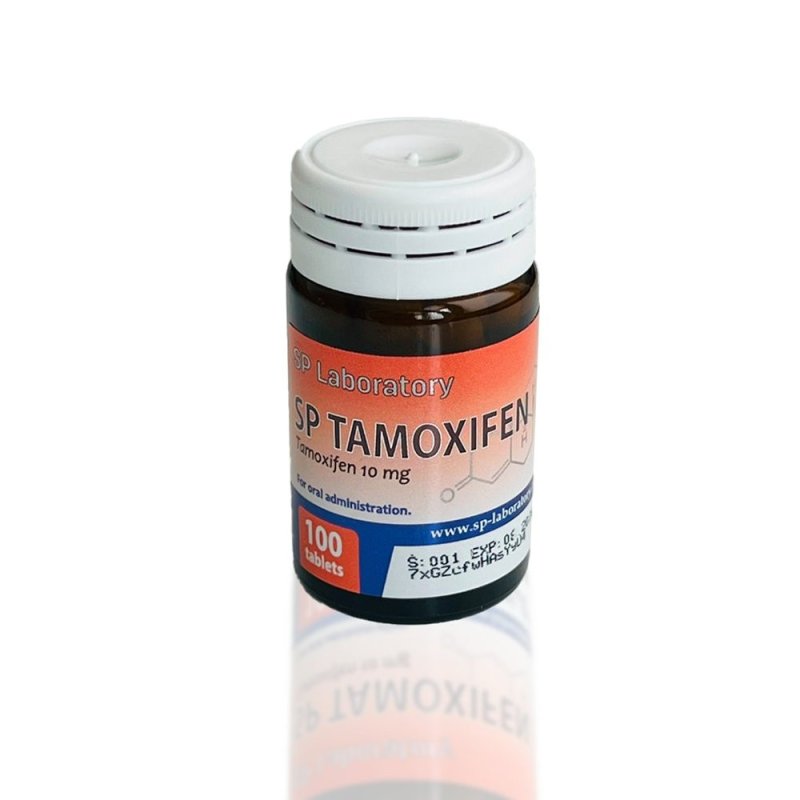
What Defines Tamoxifen 10 mg SP Laboratories
Tamoxifen 10 mg SP Laboratories is an important medication primarily used in the treatment of hormone receptor-positive breast cancer. As a selective estrogen receptor modulator (SERM), Tamoxifen blocks the effects of estrogen on breast tissue, effectively inhibiting the growth of hormone-sensitive tumors. This powerful action makes it a cornerstone in both treatment and prevention strategies for women at risk of breast cancer.
One of the key features of Tamoxifen is its dual mode of action. In breast tissue, it acts as an antagonist, which means it prevents estrogen from binding to its receptors, thereby halting the proliferation of cancerous cells. Conversely, in other tissues such as the uterus and bone, it can act as an agonist, leading to estrogen-like effects. This profile allows Tamoxifen to play a multifaceted role in cancer therapy and hormone regulation, making it a unique option compared to other cancer treatments.
Types and Forms of Release
Tamoxifen is available in various forms, with the most common being oral tablets. The standard dosage is typically 10 mg or 20 mg, and it is usually administered once or twice daily depending on the treatment protocol set by healthcare providers. The oral route offers significant convenience for patients, enabling easier adherence to treatment regimens.
In addition to the tablet form, Tamoxifen may also be available in different formulations such as liquid solutions. This variety allows for tailored approaches, especially for patients who may have difficulty swallowing pills or require modified dosing for specific medical reasons. However, the 10 mg tablet form is widely recognized and used in everyday practice due to its efficacy and established dosing guidelines.
Main Differences from Other Substances
When comparing Tamoxifen 10 mg SP Laboratories to other anti-cancer agents, several distinct characteristics set it apart. Unlike aromatase inhibitors, which are more commonly prescribed post-menopause, Tamoxifen is effective for both premenopausal and postmenopausal women. This broadened applicability allows Tamoxifen to be an integral part of treatment plans across different patient demographics.
Moreover, Tamoxifen has been used for decades, resulting in a wealth of research supporting its efficacy and safety. Clinical studies have shown that it significantly lowers the risk of breast cancer recurrence and increases survival rates. The established track record and clinical guidelines surrounding Tamoxifen usage help healthcare providers trust its benefits over newer, unproven therapies. For patients, this means choosing a well-studied medication that has been effectively utilized in various clinical scenarios.
Long-Term Effects and Prospects of Use
The long-term effects of Tamoxifen use are generally positive, particularly in the context of breast cancer treatment. Many patients can expect significant improvements in their health over extended treatment periods, potentially spanning several years. However, it is crucial to note that Tamoxifen is not suitable for everyone. Pregnant women are advised against using this medication as it can harm fetal development. Additionally, individuals with a history of blood clots, those with certain liver conditions, or those who are hypersensitive to the drug should refrain from its use.
Long-term users of Tamoxifen should be monitored regularly. Although rare, it has been associated with an elevated risk of uterine cancer and blood clots, necessitating ongoing evaluation by healthcare professionals. These considerations underline the importance of tailoring treatment based on individual needs and potential health risks.
Practical Advice on Choosing or Starting Tamoxifen 10 mg SP Laboratories
For patients considering Tamoxifen 10 mg SP Laboratories as part of their treatment regimen, it is vital to have an open dialogue with healthcare providers. Discuss treatment goals, potential side effects, and how Tamoxifen fits into the broader context of the individual’s health situation. It is also essential for patients to report any pre-existing conditions or medications they are taking, as these can impact how Tamoxifen is prescribed.
Starting on Tamoxifen involves adhering to the prescribed dosing schedule, which not only maximizes its effectiveness but also helps to minimize potential side effects. Patients should ensure they attend regular follow-up appointments to monitor their response to the medication and adjust dosages as necessary. Understanding the treatment process and engaging actively in healthcare discussions can lead to better outcomes and a more satisfactory treatment experience.
| Features | |
| Active substance | Tamoxifene |
| Also known as | TAM, tamoxifen citrate |
| Blood pressure | Little to no effect on blood pressure |
| Chemical name | (Z)-2-[4-(1,2-Diphenyl-1-butenyl)phenoxy]-N,N-dimethylethanamine |
| Dosage (medical) | 20 mg daily |
| Dosage (sports) | 10-20 mg daily |
| Effects | Reduces the effect of estrogen in the body, can stimulate ovulation |
| Formula | C26H29NO |
| Half-life | 5 to 7 days |
| Hepatotoxicity | Low, but rare cases of liver cancer and liver-related deaths have been reported |
| Lab Test | Monitoring liver function tests is recommended |
| Main action | Estrogen receptor antagonist |
| Side effects | Hot flashes, vaginal discharge, menstrual irregularities, increased risk of endometrial cancer, cataracts, and thromboembolic events such as deep vein thrombosis and pulmonary embolism |
| Storage conditions | Store at room temperature away from moisture and heat |
| Substance class | Selective Estrogen Receptor Modulator (SERM) |
| Trade name | Nolvadex, Soltamox |
| Use in sports | Used to counteract the side effects of anabolic steroids, specifically gynecomastia |
| Water Retention | No |
| Active ingredient, mg | 10 |
| Release form | Pills |
| Manufacturer | SP Laboratories |
| Packing | Pack (100 pills) |