
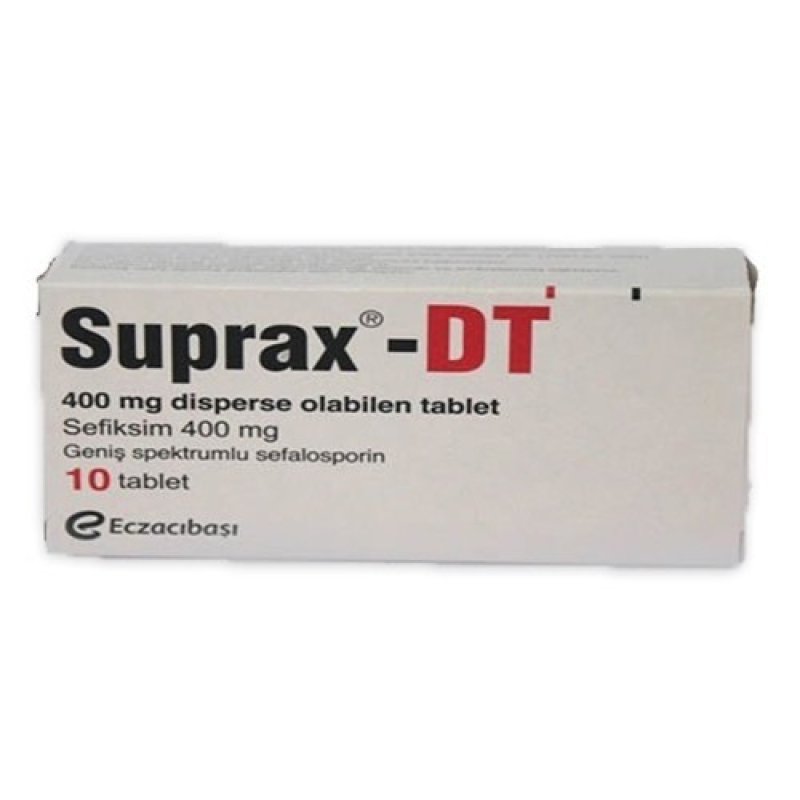
Define Suprax Eczacibasi and Explain Its General Purpose
Suprax Eczacibasi is an antibiotic belonging to the cephalosporin class, which is primarily utilized to combat various bacterial infections. It is particularly effective against specific strains of bacteria that can lead to respiratory tract infections, urinary tract infections, skin infections, and more. The active ingredient in Suprax Eczacibasi is cefixime, which operates by inhibiting bacterial cell wall synthesis, thereby effectively stopping the growth and multiplication of harmful bacteria. This medication is often prescribed when a patient presents with symptoms that warrant antibiotic treatment, particularly when a strain of bacteria is known to be sensitive to cefixime.
As a broad-spectrum antibiotic, Suprax Eczacibasi plays a crucial role in modern medicine by offering a reliable option for healthcare providers in managing bacterial infections. Its development has facilitated more targeted approaches in the treatment of infections that may have previously required broader, less specific therapies, allowing for better patient outcomes and minimized risks of antibiotic resistance.
Describe How Suprax Eczacibasi Fits Into Broader Treatment Strategies or Usage Approaches
The role of Suprax Eczacibasi in treatment strategies extends beyond its immediate action of eliminating bacteria. It can serve as part of a comprehensive antibiotic stewardship plan, aimed at preserving the efficacy of antibiotics and reducing the incidence of resistant bacterial strains. The effective use of Suprax Eczacibasi requires it to be prescribed judiciously, supported by microbiological data that confirm the presence of susceptible bacteria.
Moreover, Suprax Eczacibasi's positioning within treatment protocols also involves collaboration among healthcare professionals. When prescribing antibiotics, doctors often consider a patient’s medical history, existing comorbidities, and possible allergies. Ideally, Suprax Eczacibasi can be combined with other therapeutic agents for conditions that may necessitate a multi-faceted approach, allowing for enhanced effectiveness in managing complex infections.
The ability to tailor antibiotic therapy, including the selection of Suprax Eczacibasi, is essential in the management of infections where resistance is a concern. Additionally, the promotion of patient adherence to the prescribed antibiotic regimen is paramount—educating patients on the importance of completing the full course of therapy can significantly improve treatment outcomes.
Explain the Advantages Users Typically Expect from This Preparation
- Broad Spectrum of Efficacy: Users can expect Suprax Eczacibasi to be effective against a wide range of gram-positive and gram-negative bacteria, making it a versatile option for treating various infections.
- Oral Administration: The convenience of oral administration enhances patient compliance, as it can be easier to take than injectable antibiotics.
- Minimal Side Effects: Generally, Suprax Eczacibasi is well-tolerated, with fewer side effects reported compared to other antibiotics, making it suitable for a broader patient population.
- Rapid Therapeutic Response: Patients often report a noticeable reduction in symptoms within days of starting treatment, indicating the effectiveness of the medicine in combating infections.
- Previously Established Safety Profile: Suprax Eczacibasi has a long-standing presence in the market, providing a wealth of clinical data concerning its safety and effectiveness in various populations and age groups.
Discuss Risks, Precautions, and Contraindications for Use of This Preparation
While Suprax Eczacibasi offers numerous benefits, it is not without risks and potential contraindications. Patients should be aware that allergic reactions may occur, particularly in individuals with a known hypersensitivity to cephalosporins or penicillins. Severely allergic reactions, such as anaphylaxis, although rare, can be life-threatening, emphasizing the need for thorough patient history assessments before initiating treatment.
It's also important to note that some gastrointestinal side effects, such as diarrhea or nausea, may manifest in certain individuals. Prolonged use of Suprax Eczacibasi can lead to an imbalance of normal flora in the gut, potentially resulting in secondary infections like Clostridium difficile colitis, which can pose significant health risks.
Contraindications for Suprax Eczacibasi include severe renal impairment, as the drug is primarily excreted through the kidneys. Patients with compromised kidney function may require dosage adjustments or alternative treatments. Furthermore, as with any antibiotic, the risk of antibiotic resistance necessitates that Suprax Eczacibasi only be used when truly warranted; indiscriminate use can weaken its effectiveness over time.
Conclude with Guidance on How Users Should Approach Understanding and Using Suprax Eczacibasi Responsibly
Understanding Suprax Eczacibasi and its role in treating bacterial infections is vital for both patients and healthcare providers. Patients should approach the use of this medication with a clear understanding of its purpose and the importance of adhering to prescribed regimens. It is essential to engage in open dialogue with healthcare professionals regarding potential side effects, contraindications, and any other concerns regarding the medication.
Moreover, before beginning treatment with Suprax Eczacibasi, patients should be encouraged to disclose their complete medical history, including any allergies and pre-existing conditions. This transparency enables healthcare providers to tailor antibiotic treatment effectively and enhances patient safety.
Lastly, patients are urged to educate themselves about the importance of responsible antibiotic use, including the completion of the full medication course even if symptoms improve. This practice not only supports personal health but also contributes to broader public health efforts aimed at combating antibiotic resistance. By taking these steps, users can ensure they utilize Suprax Eczacibasi in a responsible and informed manner, optimizing outcomes while minimizing potential risks.
| Features | |
| Active substance | Sefiksim |
| Also known as | Cefspan, Cephoral |
| Blood pressure | No direct effect |
| Category | Antibiotics |
| Chemical name | (6R,7R)-7-{[2-(2-Amino-1,3-thiazol-4-yl)-2-carboxypropan-2-yloxyimino]acetyl}amino-3-ethenyl-8-oxo-5-thia-1-azabicyclo[4.2.0]oct-2-ene-2-carboxylic acid |
| Dosage | 400 Mg |
| Dosage (medical) | 400 mg daily or divided into two doses of 200 mg each |
| Dosage (sports) | Not applicable |
| Dosage Unit | Tabs |
| ean13 | 1394747565502 |
| Effects | Effective against a wide range of gram-positive and gram-negative bacteria |
| FORM | Oral |
| Formula | C16H15N5O7S2 |
| Half-life | 3 to 4 hours |
| Hepatotoxicity | Rare, mild transient elevations in liver enzymes |
| Lab Test | May interfere with certain types of diagnostic tests, including urine glucose tests using Benedict's solution or Fehling's solution |
| Main action | Bactericidal (inhibits bacterial cell wall synthesis) |
| Reference | SPRM067 |
| Side effects | Diarrhea, nausea, abdominal pain, dizziness, headache, allergic reactions |
| Storage conditions | Store at room temperature away from moisture and heat |
| Substance class | Third-generation cephalosporin antibiotic |
| Tab Piece | 10 Tabs |
| Trade name | Suprax, among others |
| Use in sports | Not typically used in sports |
| Water Retention | None |
| Packing | Blister |