
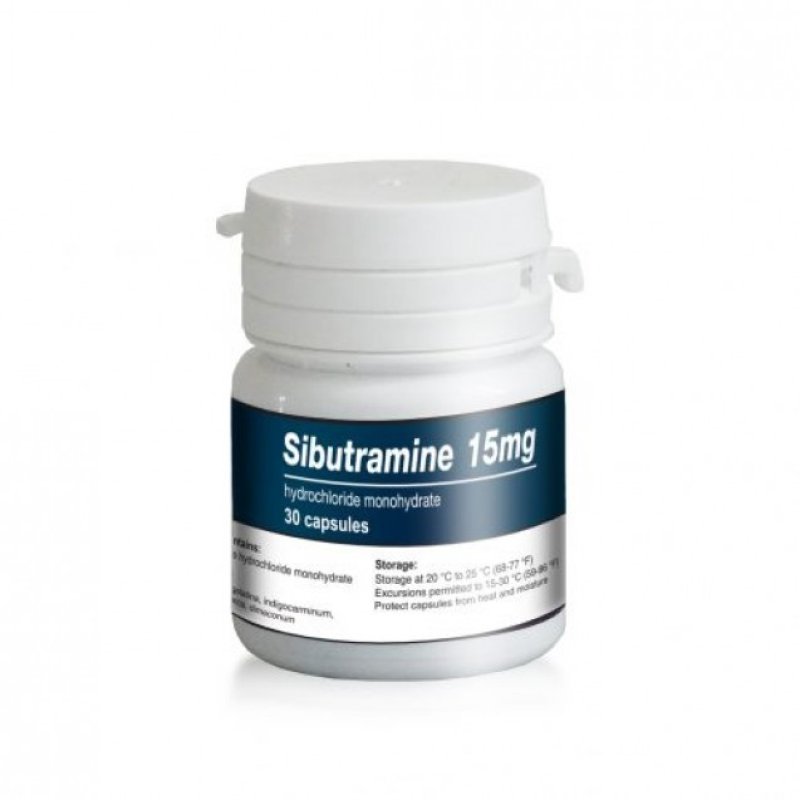
Sibutramine Pharmaceutical: Overview and Purpose
Sibutramine Pharmaceutical is a medication primarily designed for weight management. It functions as an appetite suppressant, helping individuals reduce food intake and promote weight loss. By affecting neurotransmitters in the brain, specifically serotonin, norepinephrine, and dopamine, Sibutramine promotes a feeling of satiety, making it easier for users to adhere to a calorie-restricted diet. Originally introduced to assist in long-term weight management for obese patients, the compound has garnered attention in dietary and weight-loss circles, particularly among those struggling with obesity-related comorbidities. Although its application has been largely successful, regulatory changes have influenced its availability in some markets.
Typical Users and Contexts for Sibutramine
This pharmaceutical is typically utilized by individuals classified as obese, often assessed by a Body Mass Index (BMI) of 30 or greater. In some cases, those with a BMI of 27 or higher and additional obesity-related health conditions, such as type 2 diabetes or hypertension, may also be considered suitable candidates for this treatment. Sibutramine is generally prescribed as part of a comprehensive weight-loss program that includes lifestyle modifications, focused on dietary changes and increased physical activity.
In clinical practice, Sibutramine is used under the supervision of healthcare professionals who assess the patient's overall health, medical history, and specific weight-loss goals. It is common for this medication to be part of a multi-faceted approach where behavioral interventions are encouraged alongside pharmacotherapy. As such, it may be prescribed in weight-loss clinics, hospitals, or by general practitioners, depending on the patient's needs and the physician's discretion.
Strengths and Distinguishing Characteristics of Sibutramine Pharmaceutical
Sibutramine Pharmaceutical stands out among weight management medications due to its particular action on neurotransmitters. Unlike some other weight-loss pharmaceuticals that focus solely on increasing metabolism or inhibiting fat absorption, Sibutramine impacts appetite regulation directly. This unique mechanism of action allows for a notable reduction in food consumption, making it an attractive option for individuals who consistently struggle with hunger while dieting.
Moreover, Sibutramine is often noted for its relatively favorable side effect profile compared to some alternatives, although it is imperative to understand that every pharmaceutical may carry risks. It is not a stimulant, which means it carries less potential for abuse or dependency than some appetite suppressants that are stimulatory in nature.
Benefits of Sibutramine Pharmaceutical
Understanding the benefits of Sibutramine Pharmaceutical can aid potential users in evaluating its fit for their weight management journey. Here, we outline key advantages of this medication:
- Effective Appetite Suppression: Sibutramine effectively curbs appetite, making it easier to adhere to lower-calorie diets.
- Weight Loss Support: Clinical studies have shown that individuals using Sibutramine, in conjunction with lifestyle changes, can achieve significant weight loss over time.
- Enhanced Satiety: By modulating neurotransmitter levels, users often report feeling fuller and more satisfied with smaller food portions.
- Non-Stimulatory: Unlike many appetite suppressants, Sibutramine does not act as a stimulant, decreasing the potential for side effects associated with high-energy medications.
- Potential Improvement in Comorbid Conditions: For those suffering from obesity-related health issues, weight loss facilitated by Sibutramine may lead to improvements in conditions like hypertension, diabetes, and sleep apnea.
These benefits can help users make informed decisions about integrating Sibutramine into their weight management strategies. Nevertheless, it is essential to remain conscious of the overall treatment plan and consult a healthcare professional before starting the medication.
Important Considerations Before Using Sibutramine Pharmaceutical
Before considering the use of Sibutramine Pharmaceutical, it is critical for individuals to understand essential factors regarding its application. Firstly, Sibutramine is contraindicated in various situations, including but not limited to individuals with a history of cardiovascular disease, stroke, uncontrolled hypertension, or those who are pregnant or nursing. Patients with a known allergy to Sibutramine or its components should also refrain from its use. Furthermore, due to potential interactions with other medications, patients should disclose all current prescriptions and over-the-counter drugs to their healthcare professional.
Regular monitoring by a healthcare provider is crucial while using Sibutramine to assess progress and identify any adverse reactions. Users should be aware that weight management requires a holistic approach, and, as such, Sibutramine should serve as a supplement to, not a replacement for, healthy lifestyle practices.
In summary, anyone considering Sibutramine Pharmaceutical should engage in an informed discussion with their physician, taking into account their health history, current health status, and weight loss goals, ensuring a holistic approach to achieving and maintaining a healthier weight.
| Features | |
| Also known as | Sibutramine hydrochloride monohydrate |
| Blood pressure | Can increase blood pressure |
| Chemical name | N-{1-[1-(4-chlorophenyl)cyclobutyl]-3-methylbutyl}-N,N-dimethylamine hydrochloride monohydrate |
| Dosage (medical) | Typically 10 mg once daily, may increase to 15 mg if insufficient weight loss |
| Dosage (sports) | Not recommended for use in sports |
| Effects | Weight loss, appetite suppression |
| Formula | C17H26ClNВ·HClВ·H2O |
| Half-life | 1.1 hours (sibutramine), 14-16 hours (active metabolites M1 and M2) |
| Hepatotoxicity | Low risk, but caution advised in patients with pre-existing liver conditions |
| Lab Test | Blood levels can be measured, though not routinely done |
| Main action | Reduction in calorie intake by inducing satiety |
| Side effects | Dry mouth, insomnia, constipation, increased heart rate |
| Storage conditions | Store at room temperature, keep away from moisture and heat |
| Substance class | Serotonin-norepinephrine reuptake inhibitor (SNRI) |
| Trade name | Meridia, Reductil |
| Use in sports | Not commonly used due to potential side effects and banned status in many sports |
| Water Retention | No significant effect |
| Manufacturer | Pharmaceutical |