
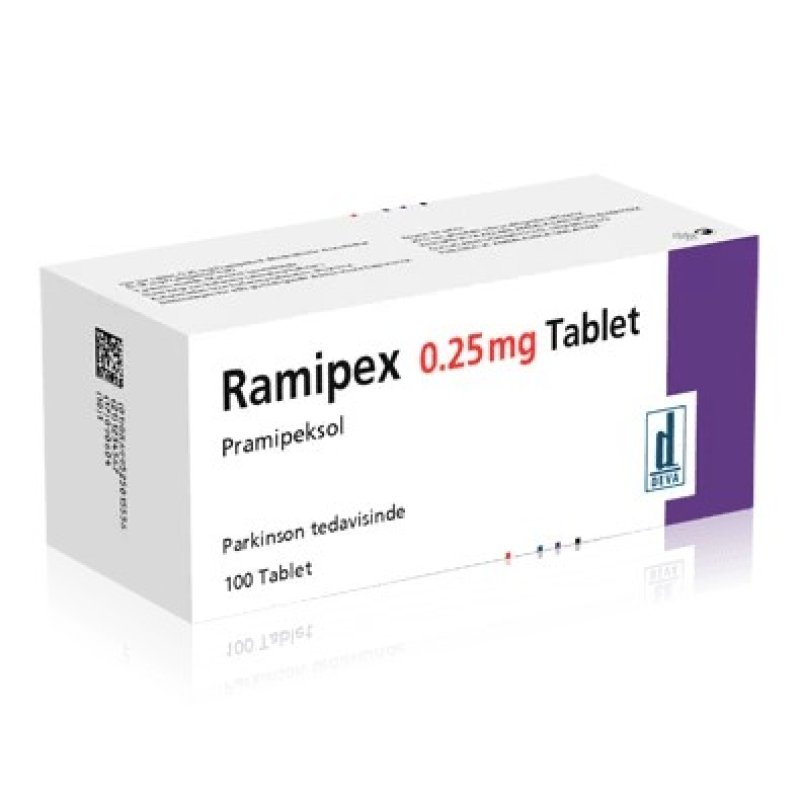
What Defines Ramipex Deva: Principles of Operation and Key Characteristics
Ramipex Deva is a well-regarded pharmaceutical preparation known for its effectiveness in managing various health conditions. It operates primarily as an angiotensin-converting enzyme (ACE) inhibitor, which helps to relax blood vessels and lower blood pressure. The main characteristics that define Ramipex Deva include its ability to reduce strain on the heart, improve blood flow, and mitigate risks associated with chronic kidney disease. This preparation is also used in the management of heart failure and other cardiovascular issues, promoting overall cardiovascular health. Its active ingredient, ramipril, plays a crucial role in these mechanisms by preventing the conversion of angiotensin I to angiotensin II, a substance that can cause blood vessels to constrict.
Available Forms and Presentation of Ramipex Deva
Ramipex Deva is commonly available in tablet form, allowing for easy administration and flexible dosing options. Each tablet is meticulously formulated, ensuring that the active ingredient is delivered efficiently to the body. Ramipex Deva is typically offered in various strengths, enabling healthcare providers to tailor the dosage according to the patient’s specific health needs. It is advisable for users to consult their healthcare provider to determine the appropriate strength, which can facilitate optimal outcomes in managing their health conditions.
Main Differences and Considerations for Choosing Ramipex Deva
One of the main differences that sets Ramipex Deva apart from other medications in its class is its unique formulation and efficacy profile. Unlike some other ACE inhibitors that may have more pronounced side effects, Ramipex Deva is known for its favorable tolerability and effectiveness. Furthermore, it not only addresses high blood pressure but also offers protective benefits for users who have existing health concerns, such as diabetes or chronic kidney disease. Individuals considering their options should weigh the benefits of Ramipex Deva against other available treatments. This choice should be guided by a medical professional, who can consider the patient’s health history and specific conditions.
Long-term Effects and Contraindications for Ramipex Deva Use
Long-term use of Ramipex Deva can provide significant benefits for individuals with chronic conditions, particularly those related to cardiovascular health. However, it is essential to be aware of potential contraindications. Ramipex Deva may not be suitable for pregnant women, nursing mothers, or individuals with specific allergies or those taking certain medications that may interact adversely. Additionally, people with renal issues or a history of angioedema may need to avoid this medication. Regular monitoring by a healthcare provider is crucial to ensure safe use and to address any concerns that may arise during treatment.
Practical Advice for Choosing and Starting Ramipex Deva
When considering Ramipex Deva, it is crucial to consult a healthcare professional for a thorough evaluation. They can assess your overall health status, review any existing medications, and determine whether Ramipex Deva is the right choice for you. For individuals starting on this medication, adhering to the prescribed dosage and schedule is vital for securing the best possible outcomes. It is advisable to monitor your blood pressure regularly during treatment and report any side effects to your healthcare provider promptly. Keeping an open line of communication with your doctor will help to tailor the treatment as necessary and ensure that you achieve the desired health results with Ramipex Deva.
| Features | |
| Active substance | Pramipexole |
| Also known as | Pramipexole dihydrochloride |
| Blood pressure | May cause orthostatic hypotension (drop in blood pressure when standing up) |
| Chemical name | (S)-4,5,6,7-tetrahydro-N6-propyl-2,6-benzothiazole-diamine monohydrochloride |
| Dosage (medical) | Initial dose is typically 0.125 mg three times a day, may be increased gradually based on patient response and tolerability |
| Dosage (sports) | Not applicable as it is not used for athletic enhancement |
| Effects | Improves motor control, reduces rigidity and tremors in Parkinson's patients |
| Formula | C10H17N3S В· HCl |
| Half-life | 8-12 hours |
| Hepatotoxicity | Low risk |
| Lab Test | Not typically required for monitoring |
| Main action | Mimics dopamine in the brain, used to treat symptoms of Parkinson’s disease |
| Side effects | Nausea, dizziness, hallucinations, insomnia, constipation, impulse control disorders |
| Storage conditions | Store at room temperature, away from moisture and heat |
| Substance class | Dopamine agonist |
| Trade name | Mirapex, Mirapex ER |
| Use in sports | None, not recognized as a performance enhancing drug |
| Water Retention | Minimal to none |
| Manufacturer | DEVA |
| Packing | 100 tabs (0,25mg/tab) |