
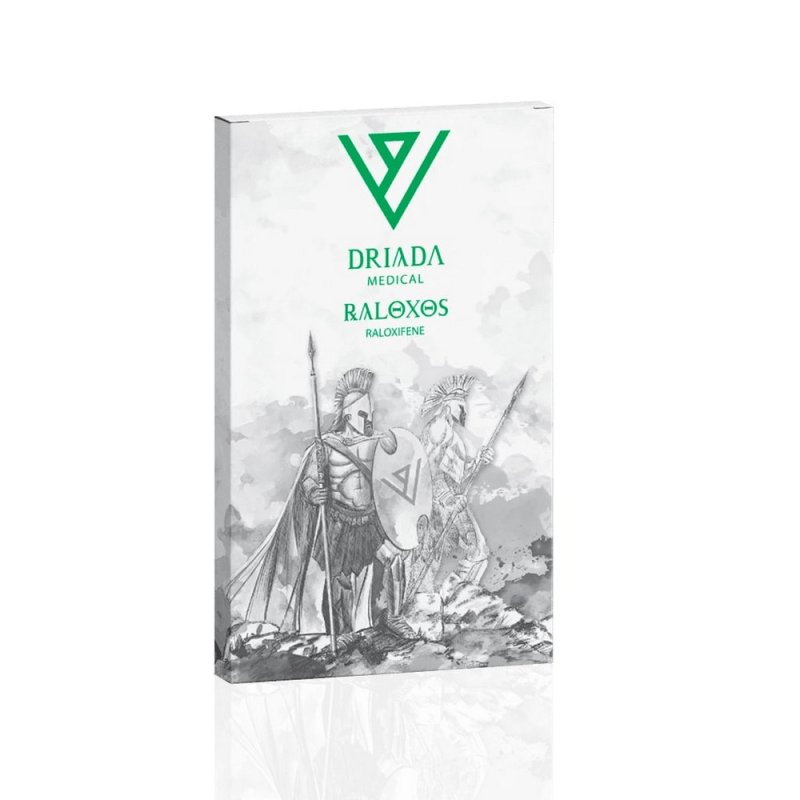
Define Raloxos 30 mg Driada Medical and Explain Its General Purpose
Raloxos 30 mg Driada Medical is a pharmaceutical preparation that contains the active ingredient Raloxifene, a selective estrogen receptor modulator (SERM). It is primarily indicated for the treatment and prevention of osteoporosis in postmenopausal women, a condition characterized by a decrease in bone density and an increased risk of fractures. Osteoporosis can significantly impact the quality of life and lead to complications that may require medical intervention. Raloxifene works by mimicking estrogen's beneficial effects on bone density, thereby contributing to the maintenance and improvement of bone health.
The drug aims to decrease the incidence of vertebral fractures in women who have already suffered osteoporotic fractures or those who are at high risk for developing the condition. By increasing bone mineral density (BMD), Raloxos 30 mg Driada Medical helps strengthen the bones, thereby reducing the likelihood of fractures associated with osteoporosis. This targeted therapeutic approach makes it a vital component in managing postmenopausal osteoporosis and its related consequences.
How Raloxos 30 mg Driada Medical Fits Into Broader Treatment Strategies or Usage Approaches
Raloxos 30 mg Driada Medical is integrated into comprehensive treatment plans for osteoporosis, often utilized alongside other lifestyle modifications and therapeutic agents. This combination approach may include dietary counseling for calcium and vitamin D intake, weight-bearing exercises to enhance physical strength and balance, and sometimes the use of bisphosphonates or other medications aimed at improving bone health.
The administration of Raloxifene is based on personalized treatment protocols. Practitioners evaluate individual risk factors, including age, family history, lifestyle habits, and the results of bone density tests, before prescribing Raloxos 30 mg Driada Medical. This multifaceted strategy not only targets the biological mechanisms of osteoporosis but also considers the holistic needs of the patient for optimal outcomes.
Moreover, Raloxos may play a role in reducing the risk of breast cancer in women at high risk. Studies indicate that Raloxifene exhibits a protective effect against certain types of breast cancer, adding another dimension to its therapeutic profile. The dual benefits of managing osteoporosis while potentially lowering cancer risk make Raloxos a prominent choice in women’s health—highlighting its significance beyond the management of bone density.
Advantages Users Typically Expect from This Preparation
Users of Raloxos 30 mg Driada Medical may expect several key advantages from this preparation, which include:
- Enhanced Bone Density: Users anticipate an increase in bone mineral density, thereby reducing the likelihood of fractures.
- Improved Quality of Life: By diminishing the risk of fracture, patients often experience a significant improvement in their overall quality of life.
- Dual Benefits: Beyond osteoporosis, the potential reduction of breast cancer risk offers added value to users at high risk for this condition.
- Convenient Dosing: Raloxos typically requires only one daily dose, making adherence easier for patients.
- Fewer Side Effects: Compared to traditional hormone replacement therapy, Raloxos may have a more favorable side effect profile, which appeals to many users concerned about hormone-related complications.
These advantages position Raloxos 30 mg Driada Medical as a viable option for managing osteoporosis while addressing the concerns of women seeking effective therapies with manageable side effects.
Risks, Precautions, and Contraindications for Use of This Preparation
While Raloxos 30 mg Driada Medical offers significant benefits for treating osteoporosis, it is crucial for users to be aware of potential risks, precautions, and contraindications associated with its use. Patients should consult with their healthcare providers to ensure they are appropriate candidates for this treatment.
Potential risks associated with Raloxos include but are not limited to venous thromboembolism and stroke, particularly in women with a history of thrombosis or certain cardiovascular conditions. Patients who smoke or have a history of severe liver disease may also be at increased risk. Furthermore, it is not advisable for women who are pregnant or breastfeeding to use Raloxos, as its effects on fetal development have not been conclusively established.
Precautions must be taken to monitor any adverse reactions during treatment, and regular check-ups are advised. Patients should report any unusual symptoms to a healthcare provider, particularly signs of thrombosis, such as sudden shortness of breath or swelling in the legs.
Conclude with Guidance on How Users Should Approach Understanding and Using Raloxos 30 mg Driada Medical Responsibly
In conclusion, responsible usage of Raloxos 30 mg Driada Medical involves a thorough understanding of its benefits, risks, and appropriate use protocols. Patients should engage in open discussions with their healthcare providers to obtain a comprehensive evaluation of their health status and medication compatibility.
It's essential for users to adhere strictly to the prescribed dosage and to consider integrating lifestyle changes that could enhance the effectiveness of the treatment, such as dietary modifications and regular physical activity. Additionally, being informed about potential side effects and engaging in self-monitoring can aid in managing any complications that might arise during treatment.
In essence, Raloxos 30 mg Driada Medical stands as a strategic option for postmenopausal women combating osteoporosis, but its success hinges on adherence to medical advice and proactive health management strategies. By approaching Raloxos with knowledge and responsibility, users can optimize their treatment outcomes and enhance their overall well-being.
| Features | |
| Active substance | Raloxifene HCL |
| Also known as | Raloxifene hydrochloride |
| Blood pressure | Typically has no significant effect on blood pressure |
| Chemical name | [6-hydroxy-2-(4-hydroxyphenyl)benzo[b]thien-3-yl]-[4-[2-(1-piperidinyl)ethoxy]phenyl]methanone hydrochloride |
| Dosage (medical) | Commonly prescribed as 60 mg per day |
| Dosage (sports) | Not typically used in sports for performance enhancement |
| Effects | Reduces the risk of osteoporosis, decreases total and LDL cholesterol |
| Formula | C28H27NO4SВ·HCl |
| Half-life | Approximately 27.7 hours |
| Hepatotoxicity | Low risk |
| Lab Test | Not specific, general liver function tests may be monitored |
| Main action | Estrogen receptor modulator |
| Side effects | Hot flashes, leg cramps, increased risk of venous thromboembolism, stroke |
| Storage conditions | Store at room temperature, protect from moisture and heat |
| Substance class | Selective Estrogen Receptor Modulator (SERM) |
| Trade name | Evista |
| Use in sports | None, as it is not known for performance enhancement |
| Water Retention | None |
| Active ingredient, mg | 30 |
| Release form | Tablets |
| 1 Pill, mg | 30 |
| Manufacturer | Driada Medical |
| Packing | Packaging (50 tablets) |
-
41.00€
| Brand: | Driada Medical |
|---|---|
| Product Code: | DRI-PA-5027-EU3 |
| Availability: | Available |