
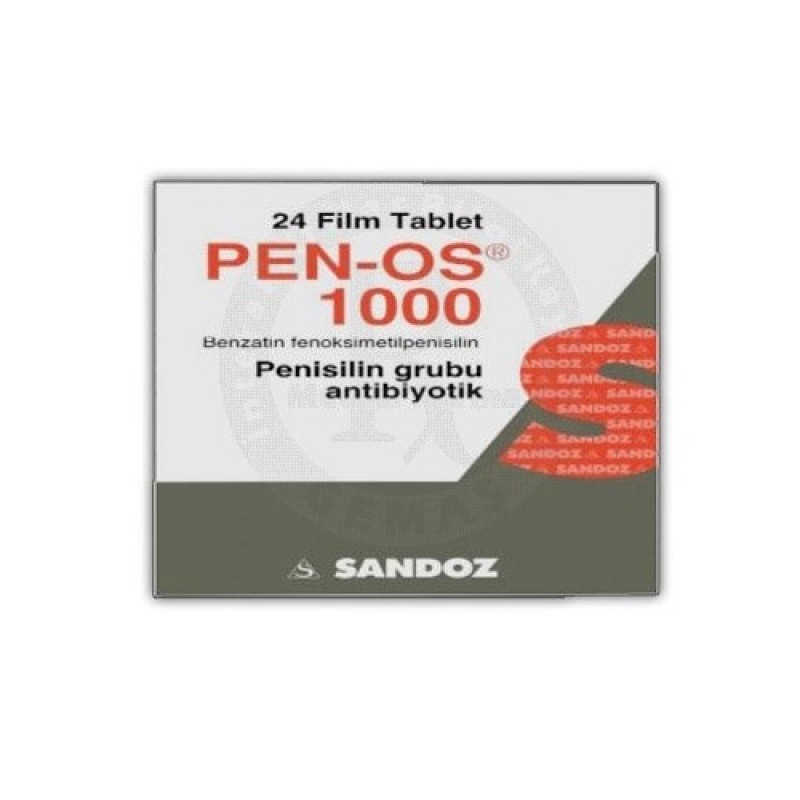
Introducing Pen-OS 1000 Sandoz: A Comprehensive Overview
Pen-OS 1000 Sandoz is a prescription medication classified as an antibiotic that is primarily used to treat a variety of bacterial infections. This medication is part of the penicillin family and works by inhibiting the growth of bacteria, ultimately helping the body's immune system fight off infections more effectively. Its main active ingredient, penicillin, is known for its effectiveness against specific strains of bacteria, making it a reliable option for various clinical applications. Pen-OS 1000 Sandoz is considered an essential medicine for both treating existing infections and preventing the spread of bacterial diseases in patients with a high risk of infection.
Typical Users and Contexts for Use
Pen-OS 1000 Sandoz is commonly prescribed to a wide range of patients, including children, adults, and the elderly, who are diagnosed with bacterial infections. Typical users include individuals suffering from respiratory tract infections, skin infections, and certain types of urinary tract infections. Additionally, it is often utilized in dental settings for the treatment and prevention of infections following surgical procedures. This medication is particularly helpful in scenarios where patients are at increased risk of exposure to bacterial pathogens, such as those undergoing surgical procedures, those with compromised immune systems, or individuals with chronic health conditions that predispose them to infections.
The drug is available in easy-to-administer forms, such as oral tablets or liquid solutions, which makes it accessible for different patient needs, including those who may have difficulty swallowing pills. Pen-OS 1000 Sandoz’s versatility allows healthcare providers to personalize treatment plans based on the specific circumstances surrounding each patient, ensuring optimal healthcare outcomes.
Key Characteristics of Pen-OS 1000 Sandoz
What sets Pen-OS 1000 Sandoz apart from related antibiotic options is its formulation and targeted effectiveness against a broad spectrum of gram-positive bacteria. One of the critical strengths of this medication lies in its ability to effectively penetrate bacterial cell walls, making it especially potent against staphylococci and streptococci, common culprits in infections. Compared to other antibiotics, Pen-OS 1000 Sandoz is generally well-tolerated, reducing the risk of adverse gastrointestinal effects often associated with some alternative treatment options.
Moreover, this formulation promotes improved bioavailability, meaning that a higher percentage of the medication can be used effectively by the body, thus potentially reducing the overall dosage required for effective treatment. The safety profile of Pen-OS 1000 Sandoz is another advantage, as adverse reactions are relatively uncommon, particularly when prescribed properly and monitored by healthcare professionals.
Benefits of Pen-OS 1000 Sandoz
When considering the overall advantages of Pen-OS 1000 Sandoz, it is essential to recognize how this medication can be beneficial for patients. The following list highlights key advantages of using this antibiotic:
- Broad-spectrum antibacterial activity, effective against a variety of infections.
- Well-tolerated by most patients, with lower incidence of severe side effects.
- Effective penetration of bacterial cell walls, enhancing its therapeutic effects.
- Reduced risk of developing antibiotic resistance due to its specific mechanism of action.
- Suitable for both acute and preventive treatment strategies in various patient demographics.
The balanced properties of Pen-OS 1000 Sandoz ultimately contribute to its relevance in modern medical practice, offering both healthcare providers and patients a reliable option for managing bacterial infections effectively.
Important Considerations Before Use
Before initiating treatment with Pen-OS 1000 Sandoz, it is essential to consider several critical factors to optimize patient safety and treatment efficacy. Contraindications for this medication include a known allergy to penicillin or any other beta-lactam antibiotics. Patients should disclose their complete medical history, including any previous allergic reactions and other underlying health issues, particularly liver disease or renal impairment, since such conditions may necessitate dosage adjustments or alternative treatments.
Additionally, pregnant and breastfeeding women should consult healthcare providers to weigh the risks and benefits of using Pen-OS 1000 Sandoz. Drug interactions with other medications can also impact treatment plans, so patients must inform their healthcare provider of all medications and supplements they are currently taking. By taking these precautions into account, both healthcare professionals and patients can work together to ensure that Pen-OS 1000 Sandoz is administered safely and effectively, maximizing its therapeutic impact while minimizing potential risks.
| Features | |
| Acne | No |
| Active substance | Penicillin |
| Also known as | Penicillin V |
| Aromatization | No |
| Blood pressure | No direct effect |
| Chemical name | (2S,5R,6R)-3,3-dimethyl-7-oxo-6-[(phenoxyacetyl)amino]-4-thia-1-azabicyclo[3.2.0]heptane-2-carboxylic acid |
| Classification | Antibiotic Penicillin |
| Dosage (medical) | Generally 125 mg to 500 mg every 6 to 8 hours |
| Dosage (sports) | Not applicable |
| Effects | Effective against gram-positive bacteria and some gram-negative bacteria |
| Formula | C16H18N2O5S |
| Half-life | Approximately 30 to 60 minutes |
| HBR | No |
| Hepatotoxicity | Low |
| Lab Test | Blood levels can be monitored, though not commonly required |
| Main action | Bactericidal |
| Side effects | Allergic reactions, gastrointestinal disturbances, potential for superinfections |
| Storage conditions | Store in a cool, dry place away from light |
| Substance class | Antibiotic, Penicillin |
| Trade name | Penicillin V, Veetids |
| Use in sports | Not typically used in sports |
| WAREHOUSE | International Warehouse 2 |
| Water Retention | No |
| Manufacturer | Sandoz |