
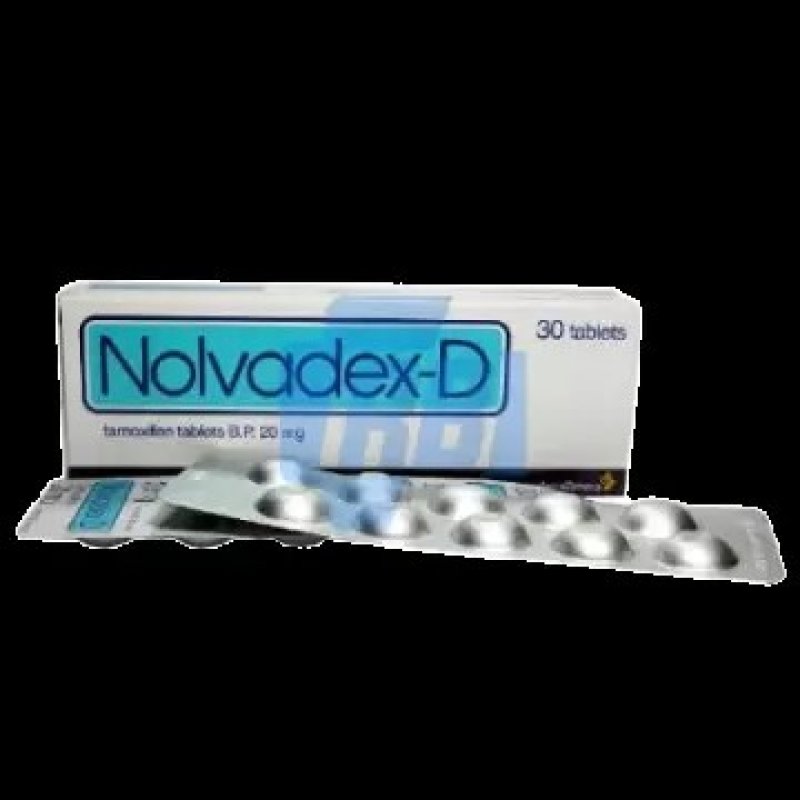
NOLVADEX-D (TAMOXIFEN) AstraZeneca: Definition and Key Characteristics
NOLVADEX-D (TAMOXIFEN) AstraZeneca is a well-established medication primarily used in the treatment and prevention of breast cancer, particularly in women diagnosed with hormone receptor-positive tumors. This selective estrogen receptor modulator (SERM) acts by blocking the effects of estrogen in breast tissue, which is vital in preventing the growth of estrogen-driven breast cancer cells. Beyond its anticancer properties, NOLVADEX-D has garnered attention for its role in reducing the recurrence of breast cancer and providing therapeutic benefits in other specific conditions, such as infertility in certain women. Key characteristics of NOLVADEX-D include its ability to maintain a favorable balance of estrogenic effects in various tissues, thereby minimizing side effects commonly associated with other cancer treatments. This medication is also recognized for its role in improving overall survival rates among patients with advanced breast cancer.
Forms and Presentations of NOLVADEX-D
NOLVADEX-D (TAMOXIFEN) AstraZeneca is primarily available in a tablet form, which allows for convenient oral administration. The tablets usually come in dosages of 10 mg and 20 mg, making it adaptable for individual treatment plans based on the specific needs of patients. This formulation ensures precise dosing and ease of use, vital for patients managing a long-term treatment regimen. In some cases, the dose and duration of treatment with NOLVADEX-D may vary depending on the cancer’s staging and the overall health profile of the patient. Additionally, NOLVADEX-D is often included in combination treatment regimens, enhancing its effectiveness and improving patient outcomes.
Main Differences and Reasons to Consider NOLVADEX-D (TAMOXIFEN) AstraZeneca
One of the primary distinctions of NOLVADEX-D (TAMOXIFEN) AstraZeneca is its unique mechanism of action compared to traditional chemotherapy agents. While many chemotherapy drugs target rapidly dividing cells indiscriminately, NOLVADEX-D selectively targets estrogen receptors, making it a targeted therapy that reduces collateral damage to healthy cells. This selective approach often results in a more favorable side effect profile, offering a better quality of life during treatment. Patients may choose NOLVADEX-D because it has been shown to significantly lower the risk of breast cancer recurrence and has established a long-standing safety record through extensive clinical research. Furthermore, NOLVADEX-D can be an excellent choice for those looking for fertility-preserving options in breast cancer treatment, as it may counteract some of the infertility issues caused by other cancer therapies.
Long-Term Effects, Contraindications, and Suitability
While NOLVADEX-D (TAMOXIFEN) AstraZeneca offers significant long-term benefits, it is essential to understand its potential side effects and contraindications. Common side effects may include hot flashes, mood swings, and an increased risk of blood clots. Long-term users should be monitored for potential risks such as endometrial cancer, which may correlate with extended tamoxifen use. Moreover, NOLVADEX-D is generally contraindicated for pregnant women, as it can have teratogenic effects. Patients with a history of hypersensitivity to tamoxifen, severe liver disease, or certain pre-existing conditions should also discuss alternative therapies with their healthcare provider. Awareness of these factors is crucial for ensuring the safety and efficacy of treatment.
Practical Advice for Choosing and Using NOLVADEX-D (TAMOXIFEN) AstraZeneca
When considering NOLVADEX-D (TAMOXIFEN) AstraZeneca, it is crucial to consult with a healthcare professional who can provide personalized recommendations based on individual health factors and potential drug interactions. If NOLVADEX-D is prescribed, adhere to the recommended dosage and schedule for maximum efficacy. Staying informed about potential side effects will help in managing any adverse reactions that may arise during treatment. Patients should also keep their healthcare team informed of any new symptoms or concerns during their course of therapy. Regular follow-up appointments will monitor progress and adjust treatment plans as necessary, ultimately ensuring the best possible outcome. Additionally, support groups and counseling may provide valuable resources for individuals navigating the emotional landscape of cancer treatment.
| Features | |
| Also known as | TAM, tamoxifen citrate |
| Blood pressure | Little to no effect on blood pressure |
| Chemical name | (Z)-2-[4-(1,2-Diphenyl-1-butenyl)phenoxy]-N,N-dimethylethanamine |
| Dosage (medical) | 20 mg daily |
| Dosage (sports) | 10-20 mg daily |
| Effects | Reduces the effect of estrogen in the body, can stimulate ovulation |
| Formula | C26H29NO |
| Half-life | 5 to 7 days |
| Hepatotoxicity | Low, but rare cases of liver cancer and liver-related deaths have been reported |
| Lab Test | Monitoring liver function tests is recommended |
| Main action | Estrogen receptor antagonist |
| Raw Material | Tamoxifen Citrate |
| Side effects | Hot flashes, vaginal discharge, menstrual irregularities, increased risk of endometrial cancer, cataracts, and thromboembolic events such as deep vein thrombosis and pulmonary embolism |
| Storage conditions | Store at room temperature away from moisture and heat |
| Substance class | Selective Estrogen Receptor Modulator (SERM) |
| Trade name | Nolvadex, Soltamox |
| Use in sports | Used to counteract the side effects of anabolic steroids, specifically gynecomastia |
| Water Retention | No |
| Manufacturer | ASTRA ZENECA TR |
| Packing | 30 tabs x 20 mg |