
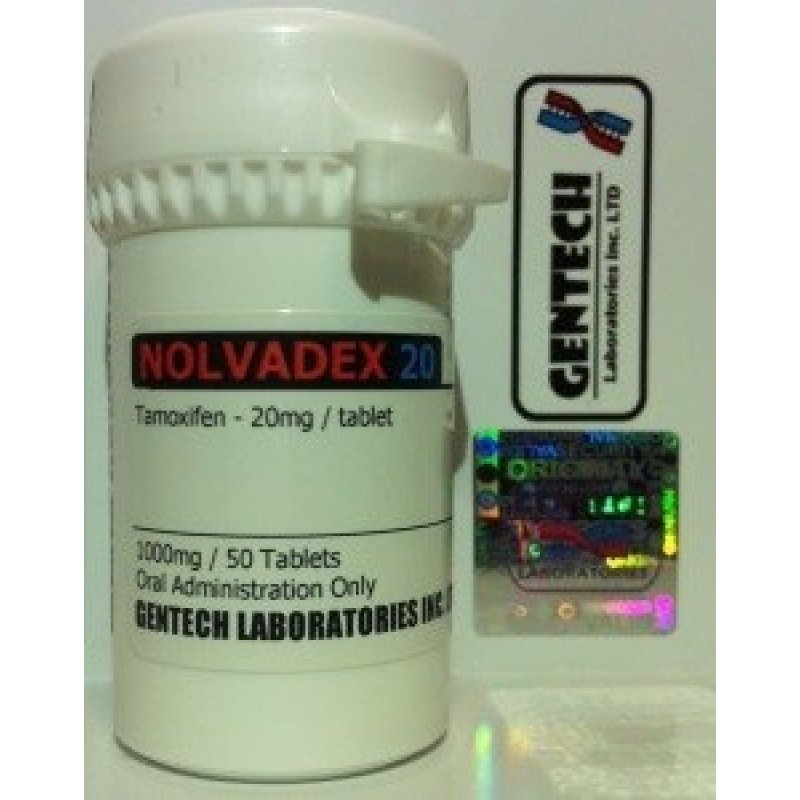
Nolvadex 20 Pharmaceutical: An Overview and Purpose
Nolvadex 20 Pharmaceutical is an established medication primarily used in the treatment of breast cancer and certain hormone-related conditions. Its active ingredient, tamoxifen citrate, functions as a selective estrogen receptor modulator (SERM), which plays an essential role in blocking the effects of estrogen on breast tissue. This property makes Nolvadex particularly effective in treating estrogen receptor-positive (ER+) breast cancers, significantly reducing the risk of cancer recurrence in both premenopausal and postmenopausal women. It is often prescribed as part of a comprehensive treatment regimen for patients diagnosed with breast cancer, as well as for women at high risk of developing the disease due to genetic factors or family history.
Typical Users and Contexts of Use
Nolvadex 20 Pharmaceutical is typically prescribed to adult women who have been diagnosed with early-stage breast cancer or those who have been treated for the disease in the past. Additionally, it may be utilized by high-risk individuals—such as women with BRCA1 or BRCA2 gene mutations—for preventive purposes. The medication can be employed in various settings, including outpatient oncology clinics, hospital cancer treatment units, and even for patients undergoing clinical trials focused on breast cancer treatment. Healthcare providers will assess individual risk factors and treatment history when determining if Nolvadex is an appropriate option. This makes the medication suitable for a wide range of scenarios, including both curative and preventative measures in breast cancer therapy.
Strengths and Distinguishing Characteristics of Nolvadex 20 Pharmaceutical
Nolvadex 20 Pharmaceutical stands out among competing treatments for several key reasons. First and foremost is its proven efficacy in reducing breast cancer recurrence rates, establishing it as a cornerstone in hormone receptor-positive breast cancer management. Unlike some other anti-estrogen therapies, Nolvadex can be used in both premenopausal and postmenopausal women. Another significant advantage is its oral administration form, which offers greater convenience for patients compared to injectable treatments. Moreover, its dual action—both blocking estrogen receptors and modulating estrogen activity—allows it to adapt to different patient needs effectively. Furthermore, Nolvadex has an extensive history of clinical use, supported by substantial research, enhancing its credibility and acceptance among healthcare professionals worldwide. Overall, these characteristics contribute to its status as a preferred option within standard breast cancer therapies.
Benefits of Nolvadex 20 Pharmaceutical
Nolvadex 20 Pharmaceutical offers a range of advantages that can significantly impact patients' lives during treatment. The following are key benefits associated with its use:
- Effective Reduction in Recurrence: Nolvadex significantly lowers the chance of breast cancer recurrence, particularly in hormone receptor-positive cases.
- Versatility for Different Populations: The medication is effective for both premenopausal and postmenopausal women, allowing for broader application.
- Convenient Oral Formulation: Its pill form makes it easier for patients to adhere to their treatment regimen compared to therapies requiring injections.
- Preventive Potential: For women at high genetic risk for breast cancer, Nolvadex offers a preventative option that may help mitigate their risk.
- Long-Term Safety Profile: With years of use, Nolvadex has a well-documented safety profile, allowing healthcare providers to make informed treatment decisions.
These benefits, combined with careful monitoring by healthcare professionals, provide patients with a robust framework for managing their breast cancer treatment plans.
Important Considerations Before Use
Before initiating treatment with Nolvadex 20 Pharmaceutical, it is vital to consider several factors. This includes a thorough review of the patient's medical history and any existing health conditions that may interfere with treatment. Contraindications to be aware of include a history of blood clots, liver disease, or allergy to tamoxifen or any other components of the medication. Furthermore, pregnant or breastfeeding women should avoid using Nolvadex, as it may pose risks to the fetus or nursing infant. Regular follow-ups with a healthcare provider are essential to monitor for potential side effects and evaluate the effectiveness of the treatment. An informed approach to using Nolvadex not only helps in managing breast cancer effectively but also ensures the safety and well-being of patients throughout their therapy journey.
| Features | |
| Also known as | Tamoxifen |
| Blood pressure | Generally does not affect blood pressure |
| Chemical name | (Z)-2-[4-(1,2-Diphenyl-1-butenyl)phenoxy]-N,N-dimethylethanamine |
| Dosage (medical) | 20 mg per day |
| Dosage (sports) | 10-20 mg per day |
| Effects | Reduces estrogen binding to receptors, prevents gynecomastia, promotes a more favorable hormone balance for testosterone |
| Formula | C26H29NO |
| Half-life | 5 to 7 days |
| Hepatotoxicity | Low |
| Lab Test | Blood estrogen levels |
| Main action | Antiestrogen |
| Side effects | Hot flashes, vaginal dryness or discharge, mood swings, nausea, headache |
| Storage conditions | Store at room temperature away from moisture and heat |
| Substance class | Selective Estrogen Receptor Modulator (SERM) |
| Trade name | Nolvadex |
| Use in sports | Used to combat gynecomastia and improve the testosterone to estrogen ratio |
| Water Retention | No |
| Manufacturer | Pharmaceutical |