
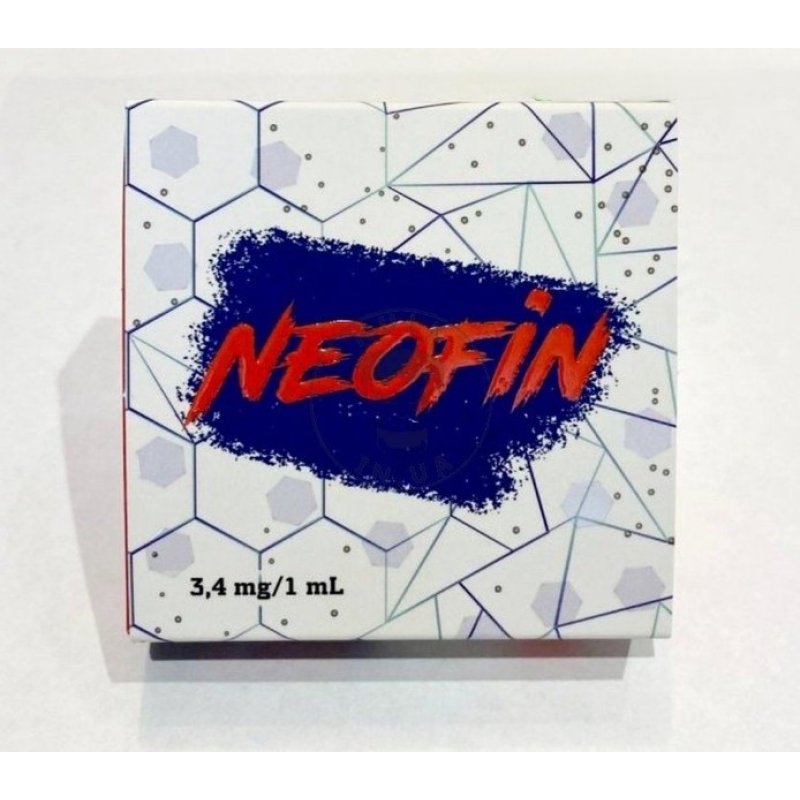
Define Neofin 10 IU MGT and explain its general purpose.
Neofin 10 IU MGT is a medication commonly used in the management of diabetes mellitus. Essentially, it is a form of insulin that assists individuals in regulating their blood sugar levels effectively. The abbreviation 'IU' refers to International Units, which is a standard measurement for biological substances, particularly hormones like insulin. In the case of Neofin 10 IU MGT, 10 IU signifies the quantity of insulin present in each vial, designed specifically for the needs of patients with type 1 or type 2 diabetes.
The primary purpose of Neofin 10 IU MGT is to mimic the natural insulin that the pancreas typically produces, allowing individuals who are insulin-dependent to maintain their blood glucose levels within a target range. This is crucial, as unmanaged diabetes can lead to serious complications including cardiovascular diseases, nerve damage, and kidney failure. By providing a reliable source of insulin, Neofin 10 IU MGT provides essential support for blood sugar management, which is vital for a diabetes treatment plan.
Describe how Neofin 10 IU MGT fits into broader treatment strategies or usage approaches.
Neofin 10 IU MGT is an integral part of a comprehensive diabetes management strategy. While it is a critical component for those requiring insulin therapy, it is seldom used in isolation. Diabetes treatment typically involves a multi-faceted approach combining medication, lifestyle changes, and regular monitoring. Neofin 10 IU MGT is often used alongside dietary regulation, physical fitness routines, and the use of continuous glucose monitors.
Moreover, health professionals will assess each individual's unique condition and needs, leading to personalized therapy that optimizes both lifestyle adjustments and medication. Depending on the patient's specific circumstances and the healthcare provider's recommendations, Neofin might be prescribed to be taken multiple times daily, often in conjunction with other antidiabetic medications to enhance glycemic control.
This synergy not only improves blood sugar levels but also can improve patients' overall well-being. Education and training in the careful administration of Neofin 10 IU MGT are essential, as the timing, dosage, and type of insulin can significantly affect outcomes. Therefore, understanding how this medication integrates with other therapies is crucial for maximizing its benefits and minimizing risks.
Explain the advantages users typically expect from this preparation.
Users of Neofin 10 IU MGT typically anticipate several advantages when incorporating this insulin preparation into their diabetes management plans. These include:
- Improved blood glucose control: With regular use, patients can expect better regulation of their blood sugar levels, leading to reduced instances of hyperglycemia and hypoglycemia.
- Convenience and flexibility: Neofin 10 IU MGT can be administered using various methods, including syringes or insulin pens, making it adaptable to lifestyle and preferences.
- Rapid onset of action: Neofin 10 IU MGT is designed for quick absorption, allowing for swift control of blood glucose levels after meals.
- Enhanced Quality of Life: By maintaining stable blood sugar levels, users often experience fewer diabetes-related symptoms, enabling them to engage more fully in daily activities.
- Support from healthcare professionals: Patients using Neofin 10 IU MGT typically receive ongoing support from a healthcare team, including education and management strategies.
These advantages create a robust framework that aids patients in managing their condition more effectively and can lead to better overall health outcomes.
Discuss risks, precautions, and contraindications for use of this preparation.
While Neofin 10 IU MGT offers substantial benefits, it is important to recognize that, like any medication, it also carries certain risks and precautions. Patients must be cautious of potential hypoglycemia, a common side effect of insulin therapies. Symptoms include shaking, confusion, sweating, and elevated heart rate. It is essential for users to know how to identify and respond to these occurrences, which can be life-threatening if not treated promptly.
Additionally, patients should discuss their medical history with their healthcare provider before starting Neofin 10 IU MGT. Certain contraindications may include hypersensitivity to insulin, severe liver or kidney impairment, or specific medical conditions that may complicate insulin therapy. Patients should be aware of how this medication interacts with other drugs, including prescription and over-the-counter medications, as well as herbal supplements.
Furthermore, proper administration techniques are crucial. Incorrect dosing or inappropriate injection methods can lead to complications both in short-term glucose control and long-term health. Consistent monitoring of blood sugar levels and adherence to prescribed guidelines can mitigate risks significantly.
Conclude with guidance on how users should approach understanding and using Neofin 10 IU MGT responsibly.
In conclusion, patients prescribed Neofin 10 IU MGT should approach their diabetes management with a comprehensive understanding of both the benefits and responsibilities that come with using this medication. It is vital to receive thorough training from healthcare professionals on administering insulin, understanding appropriate dosages, and recognizing signs of common complications associated with diabetes management.
Patients should remain proactive in monitoring their blood glucose levels, adhering to diet and exercise regimens, and maintaining regular consultations with healthcare providers. Being informed about potential risks and safe practices can empower users to make educated decisions, thereby maximizing the advantages of Neofin 10 IU MGT.
Ultimately, the path to effective diabetes management is a partnership between the patient, their healthcare team, and their treatment regimen. Being well-informed, vigilant, and adaptive plays a crucial role in achieving optimal health outcomes while using Neofin 10 IU MGT.
| Features | |
| Active substance | Somatropin |
| Also known as | Orlistat |
| Blood pressure | No significant impact |
| Chemical name | Tetrahydrolipstatin |
| Dosage (medical) | 120 mg orally three times/day with each main meal containing fat |
| Dosage (sports) | Not recommended for sports usage |
| Effects | Reduces the absorption of dietary fats |
| Formula | C29H53NO5 |
| Half-life | 1 to 2 hours |
| Hepatotoxicity | Rare, but cases of severe liver injury reported |
| Lab Test | Monitoring of liver enzymes may be advised |
| Main action | Prevents the absorption of fats from the human diet, thereby reducing caloric intake |
| Side effects | Oily spotting, flatulence, fecal urgency, soft stools, fecal incontinence |
| Storage conditions | Store at 25°C (77°F), exceptions permitted to 15–30°C (59–86°F) |
| Substance class | Lipase inhibitor |
| Trade name | Orlistat, marketed under the trade name Xenical among others |
| Use in sports | Not typically used in sports |
| Water Retention | No significant effect |
| Active ingredient, IU | 10 |
| Release form | Vial |
| 1 Vial, IU | 10 |
| Vials in the package, pcs | 1 |
| Manufacturer | MGT |