
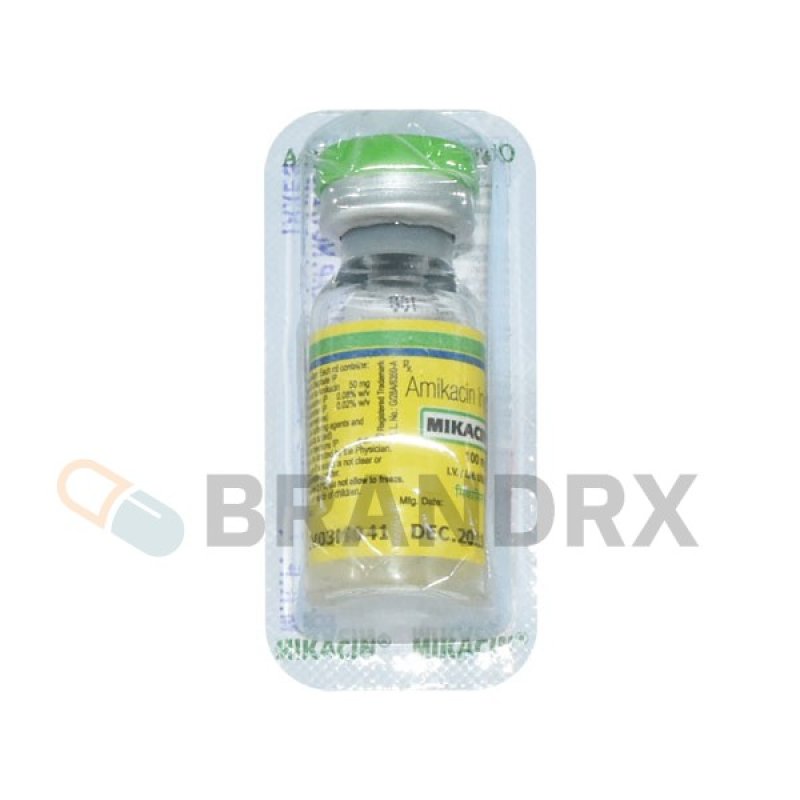
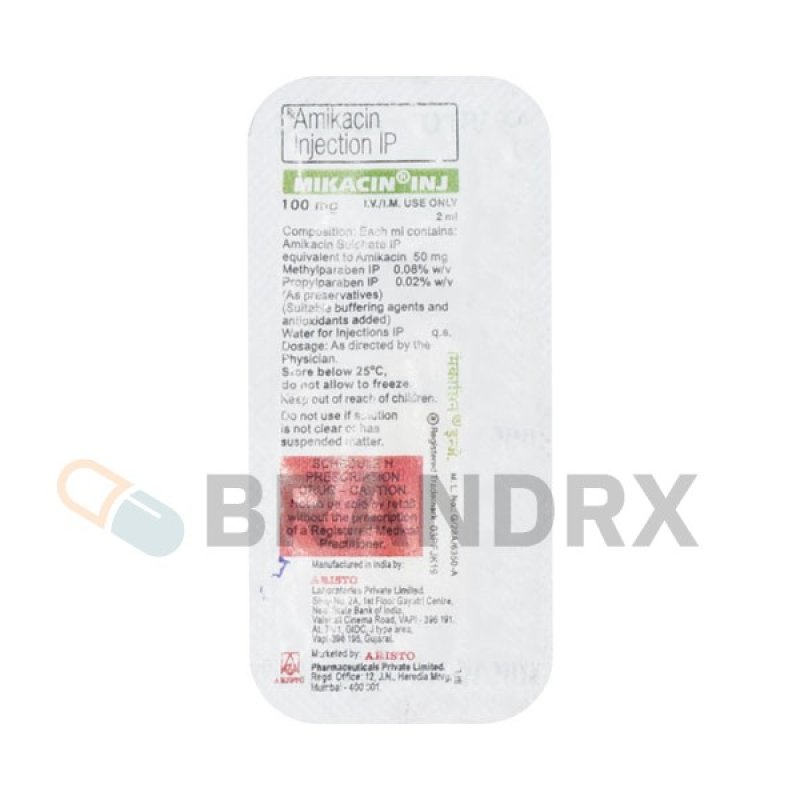
Mikacin Injection 100 mg Pharmaceutical: Overview and Pharmacological Properties
Mikacin Injection 100 mg Pharmaceutical is a potent antibiotic used to treat various bacterial infections. As a member of the aminoglycoside class of antibiotics, it is specifically designed to target and inhibit bacterial protein synthesis, helping to combat infections caused by susceptible strains of bacteria. The core pharmacological characteristics of Mikacin Injection include its bactericidal activity, meaning it kills bacteria rather than merely inhibiting their growth. This makes it particularly effective in acute infections.
The key principles behind Mikacin's action lie in its unique ability to bind to the 30S ribosomal subunit of bacterial cells. This binding interferes with the reading of mRNA and disrupts protein synthesis, ultimately leading to cell death. The effectiveness of this drug is often attributed to its rapid onset of action and its ability to penetrate bacterial cell membranes efficiently. Mikacin is also known for its stability against certain enzymes produced by bacteria that typically inactivate other antibiotics, providing an additional advantage in treating infections that are resistant to standard therapies.
What to Consider When Using Mikacin Injection 100 mg Pharmaceutical
When considering the use of Mikacin Injection 100 mg Pharmaceutical, it is essential to take into account several important factors that can influence both its effectiveness and safety. First, users should be aware of their medical history and any allergies they may have, especially to aminoglycosides, as this could pose significant risks.
General precautions include monitoring renal function, as Mikacin can be nephrotoxic, particularly in patients with pre-existing kidney conditions or those undergoing other nephrotoxic therapies. Dosage adjustments may be necessary based on renal function to minimize potential adverse effects. It's also vital to ensure that hydration is maintained during treatment to help protect kidney function.
Another crucial consideration involves the potential for drug interactions. Users should inform their healthcare providers about all medications they are currently taking to avoid any adverse effects related to concurrent drug use. Lastly, pregnant or breastfeeding women should consult with their healthcare providers prior to starting treatment with Mikacin, as the safety of aminoglycosides in pregnancy is not fully established.
Indications for the Use of Mikacin Injection 100 mg Pharmaceutical
Mikacin Injection 100 mg Pharmaceutical is typically indicated for the treatment of severe, hospital-acquired infections caused by gram-negative bacteria, such as Escherichia coli, Klebsiella species, and Pseudomonas aeruginosa. It is particularly utilized in cases where other antibiotics may be less effective due to resistance or when patients present with severe infections requiring immediate attention, such as septicemia or serious respiratory infections.
Users may choose Mikacin Injection over other options for several reasons. Its rapid bactericidal action makes it suitable for acute care settings where quick responses to infection are critical. Additionally, its spectrum of activity against multi-drug resistant organisms provides valuable options for clinicians battling specific pathogens that standard antibiotics cannot effectively treat. Moreover, the formulation of Mikacin Injection is conducive for intravenous administration, making it ideal for inpatient treatments.
Risks and Recommendations for Safe Use
While Mikacin Injection 100 mg Pharmaceutical provides significant benefits, it is not without its risks. Potential side effects include nephrotoxicity, ototoxicity, and allergic reactions. In long-term treatment scenarios, vigilance is required to monitor organ function, particularly kidney function and hearing capacity, as irreversible damage may occur if not timely identified.
- Effective in treating severe bacterial infections.
- Rapid onset of action for acute infections.
- Effective against antibiotic-resistant strains.
- Administered via injection for quick therapeutic effect.
- Potentially lower incidence of resistance development compared to other antibiotics.
It is important to note that certain populations may not be suitable candidates for Mikacin Injection, including expecting mothers, young children, and individuals with specific medical conditions such as pre-existing kidney disease. To ensure safe usage and minimize risks, consulting a healthcare professional before initiating treatment is imperative.
Buy Mikacin Injection 100 mg Pharmaceutical in the USA from an Anabolic Store
If you are interested in purchasing Mikacin Injection 100 mg Pharmaceutical in the USA, it is crucial to seek reliable sources, particularly from licensed pharmacies or anabolic stores that adhere to safety and quality standards. When choosing a product, verify that it is from a reputable manufacturer and check for appropriate certifications.
Starting treatment with Mikacin should be done responsibly, following the guidance of a healthcare provider. It is essential to adhere strictly to prescribed dosages and to monitor for any adverse reactions throughout the course of treatment. Additionally, educate yourself on the available resources regarding Mikacin, its side effects, and its proper use to ensure a comprehensive understanding of this powerful antibiotic.
Properly navigating the available information and being proactive about your health will help maximize the benefits of Mikacin Injection 100 mg Pharmaceutical while minimizing potential risks associated with its use.
| Features | |
| Also known as | BB-K8 |
| Blood pressure | No direct effect |
| Chemical name | (2S)-4-Amino-N-[(2S,3S,4R,5S)-5-amino-2-[(2S,3R,4R,5R,6S)-4-amino-3,5-dihydroxy-6-(hydroxymethyl)oxan-2-yl]oxy-3-hydroxy-4-methylcyclohexyl]-2-hydroxybutanamide |
| Dosage (medical) | Typically 15 mg/kg/day divided into 2 or 3 doses |
| Dosage (sports) | Not applicable |
| Effects | Effective against a wide range of gram-negative bacteria and certain gram-positive bacteria |
| Formula | C22H43N5O13 |
| Half-life | 2 to 3 hours |
| Hepatotoxicity | None |
| Lab Test | Serum levels monitoring (peak and trough) |
| Main action | Bactericidal, inhibits protein synthesis |
| Side effects | Nephrotoxicity, ototoxicity, neuromuscular blockade |
| Storage conditions | Store at room temperature, protect from light |
| Strength | 100 mg |
| Substance class | Aminoglycoside antibiotic |
| Trade name | Amikin |
| Use in sports | None |
| Water Retention | None |
| Manufacturer | Pharmaceutical |