
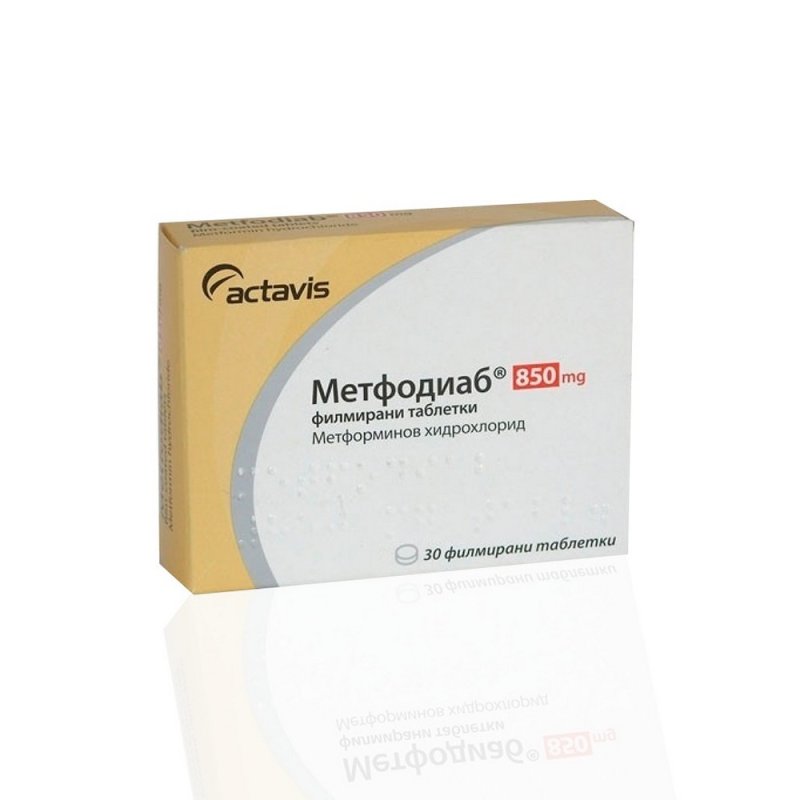
Key features of Metfodiab 850 mg Actavis and its advantages
Metfodiab 850 mg Actavis is a specialized medication designed primarily for the management of type 2 diabetes. It contains Metformin as its active ingredient, a well-established antidiabetic agent. The primary function of Metfodiab 850 mg Actavis is to improve glycemic control in adults with type 2 diabetes mellitus. By enhancing insulin sensitivity, it helps to lower blood glucose levels effectively while minimizing the risk of hypoglycemia common with some other antidiabetic medications.
The formulation of Metfodiab 850 mg Actavis facilitates a gradual release of the active component, ensuring sustained plasma drug levels. This extended-release property contributes to its efficacy throughout the day, making it a convenient dosing option for patients. The medication is often favored for its favorable safety profile and its ability to promote weight neutrality or weight loss, which is a notable advantage for patients who are managing both diabetes and obesity.
Furthermore, Metfodiab 850 mg Actavis is also recognized for its cardiovascular benefits, as some studies suggest it may reduce the risk of cardiovascular events in diabetic patients. Its accessibility and proven track record in diverse patient populations underscore its role in diabetic management, making it a critical player in the diabetes care market.
Positive pharmacological properties
Metfodiab 850 mg Actavis is celebrated for its positive pharmacological properties, which include enhancing tissue sensitivity to insulin and decreasing hepatic glucose production. Its primary mechanism of action involves the activation of AMP-activated protein kinase (AMPK), leading to decreased glucose output from the liver while promoting glucose uptake in peripheral tissues.
This medication is generally well-tolerated, but there are certain considerations regarding which groups should avoid its use:
- Pregnant women, due to potential risks to the developing fetus.
- Individuals with significant renal impairment, as Metformin is primarily excreted by the kidneys.
- Patients with a history of hypersensitivity reactions to Metformin or any of its components.
- Those suffering from acute or chronic metabolic acidosis, including diabetic ketoacidosis.
- Children under the age of 10, as safety and effectiveness in this age group have not been established.
Awareness of these contraindications is critical for healthcare providers to ensure safety and efficacy when prescribing Metfodiab 850 mg Actavis.
Active substance of Metfodiab 850 mg Actavis
The active substance in Metfodiab 850 mg Actavis, Metformin, has been a cornerstone in diabetes management for several decades. Recent trends in diabetes care highlight a growing interest in combination therapies and personalized medicine, which leverage Metformin’s established effects. As research continues to unveil further benefits of Metformin beyond glycemic control, such as its potential implications for conditions like polycystic ovary syndrome (PCOS) and certain cancers, the medication remains at the forefront of therapeutic innovation.
In terms of technological development, advancements in the formulation of Metfodiab 850 mg Actavis have led to improved patient compliance and satisfaction. These developments include enhancements in the drug’s bioavailability and sustained-release mechanisms that reduce gastrointestinal side effects—a common issue associated with Metformin. Such innovations result in a more patient-friendly medication regimen that aligns with ongoing healthcare objectives in managing chronic conditions effectively.
Who is not recommended to use this medication
When considering the safe use of any medication, it is crucial to outline the safety considerations and limitations pertinent to its usage. Individuals who may not be recommended for use include:
- Patients with serious renal conditions, as impaired kidney function can heighten the risk of lactic acidosis.
- Those with liver diseases, which may alter the metabolism and clearance of the drug.
- Individuals suffering from severe dehydration or those undergoing significant surgical procedures should pause medication due to increased risk factors.
- People with a known history of congestive heart failure or pulmonary disease may not tolerate the medication well.
- Individuals who are abusing alcohol, as this can further increase the risk of lactic acid buildup.
Overall, it's essential for patients to engage in thorough discussions with their healthcare providers to assess individual suitability and ensure responsible use of Metfodiab 850 mg Actavis.
Where to purchase Metfodiab 850 mg Actavis in the USA
Metfodiab 850 mg Actavis holds a significant position within the U.S. pharmaceutical market, especially as diabetes continues to rise as a public health concern. Patients looking to purchase this medication can do so through various licensed pharmacies, where it is typically available with a prescription. The medication's accessibility in retail and online pharmacies enables patients to manage their diabetes more effectively, contributing to improved health outcomes.
Moreover, Metfodiab 850 mg Actavis is often covered by many insurance plans, reducing the financial burden on patients. The compelling value it offers—through efficacy, safety profile, and supportive role in overall diabetes management—positions it as an essential component of contemporary diabetes care in the United States.
In conclusion, Metfodiab 850 mg Actavis is more than just an antidiabetic medication; it represents an avenue toward a healthier future for countless patients managing type 2 diabetes, embodying innovation, safety, and efficacy within the constantly evolving landscape of diabetes treatment.
| Features | |
| Active substance | Metformin Hydrochlorid |
| Also known as | Metformin HCL |
| Blood pressure | Can lead to a slight reduction in blood pressure |
| Chemical name | Metformin hydrochloride |
| Dosage (medical) | Typically starting at 500 mg twice a day or 850 mg once a day, up to a maximum of 2000-2550 mg per day depending on the patient's response and tolerance |
| Dosage (sports) | Not typically prescribed for sports enhancement |
| Effects | Reduces hepatic glucose production, decreases intestinal absorption of glucose, and improves insulin sensitivity by increasing peripheral glucose uptake and utilization |
| Formula | C4H11N5В·HCl |
| Half-life | Approximately 6.2 hours |
| Hepatotoxicity | Low risk |
| Lab Test | Monitoring of renal function and serum electrolytes recommended |
| Main action | Antihyperglycemic agent |
| Side effects | Gastrointestinal disturbances (such as diarrhea, nausea, vomiting), vitamin B12 deficiency, lactic acidosis (rare but serious) |
| Storage conditions | Store at room temperature, away from moisture and light |
| Substance class | Biguanide |
| Trade name | Glucophage, Glumetza, others |
| Use in sports | Not commonly used as a performance enhancer, but some athletes might use it for weight management |
| Water Retention | Does not cause significant water retention |
| Active ingredient, mg | 850 |
| Release form | Pills |
| 1 Pill, mg | 850 |
| Manufacturer | Actavis |
| Packing | Package (30 Pills) |