
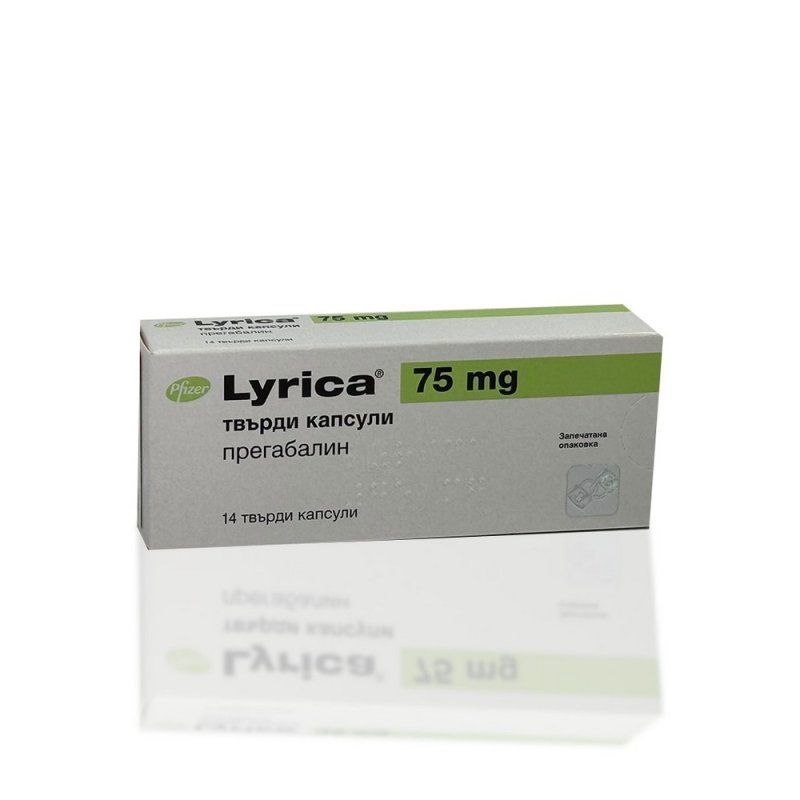
Unlock Your Potential with Lyrica 75 mg Pfizer
Lyrica 75 mg Pfizer is a pharmaceutical product that has gained recognition in the world of sports pharmacology. Used judiciously, this medication can offer a range of benefits specifically tailored for athletes. It helps in managing neuropathic pain, making it a valuable ally for individuals undergoing intensive training or dealing with sports-related injuries. Understanding the importance of effective pain management and enhancement of recovery times is vital in the competitive sports arena, allowing athletes to push boundaries and achieve their goals.
How to choose the right option from Lyrica 75 mg Pfizer
Selecting the right option when it comes to Lyrica 75 mg Pfizer is essential for maximizing its benefits. First, it is crucial to assess your individual needs and consult with a healthcare professional. Consider factors such as your specific health condition, training intensity, and pain levels. Lyrica comes in various dosages, so understanding your body’s requirements will guide you in determining whether 75 mg is the appropriate starting point for your regimen.
Moreover, athletes should be aware of their personal tolerance levels. Lyrica may affect individuals differently, and monitoring how your body responds should dictate any adjustments in dosage. When considering Lyrica, it’s also important to evaluate any potential interactions with other medications or supplements you may be taking. Thorough research and professional guidance will ensure that you are making a well-informed decision that aligns with your athletic performance goals.
What are Lyrica 75 mg Pfizer and what benefits do they provide to athletes?
Lyrica 75 mg Pfizer is classified as an anticonvulsant medication that helps to alleviate nerve pain. For athletes, the benefits of this medication extend beyond mere pain relief. Lyrica works by stabilizing electrical activity in the brain and altering the way the nerves send messages to the brain. This can be particularly beneficial for athletes who frequently experience nerve-related discomfort due to intense physical exertion or prior injuries.
One of the primary advantages of Lyrica for athletes is its ability to facilitate quicker recovery. By reducing pain and discomfort, athletes can engage in more effective training sessions, ultimately enhancing their performance. This capability to manage pain allows for increased training volume, which can lead to better strength and endurance outcomes.
Additionally, Lyrica can help athletes maintain focus and mental clarity by alleviating chronic pain. Managing pain effectively enables athletes to concentrate on their technique and performance rather than being distracted by discomfort. The comprehensive approach to physical well-being that Lyrica offers can be invaluable in achieving peak athletic performance.
Recommendations for the correct intake of Lyrica 75 mg Pfizer
A common starting dosage may begin at 75 mg daily, which can be adjusted by your healthcare provider based on your response and specific needs. Tracking your pain levels and overall performance can provide valuable insights to share with your healthcare provider during follow-up consultations.
It’s essential to adhere to the advised dosage and frequency to prevent any potential side effects. Additionally, athletes should be cautious about abrupt discontinuation of the medication, as this may lead to withdrawal symptoms. Gradual adjustments, overseen by a healthcare professional, are always recommended.
Lastly, maintaining open communication with a coach or sports trainer about your use of Lyrica is crucial. They can provide personalized recommendations and monitor your performance changes. Combining the appropriate use of Lyrica with a well-structured training plan can lead to significant enhancements in your overall athletic experience.
| Features | |
| Also known as | R-modafinil, Nuvigil |
| Blood pressure | Can potentially increase blood pressure |
| Chemical name | (в€’)-2-[(R)-(diphenylmethyl)sulfinyl]acetamide |
| Dosage (medical) | 150-250 mg once daily in the morning or early afternoon |
| Dosage (sports) | Not applicable as it is not typically used for enhancing physical performance |
| Effects | Increased alertness, cognitive enhancement, wakefulness |
| Formula | C15H15NO2S |
| Half-life | 12-15 hours |
| Hepatotoxicity | Low risk |
| Lab Test | Drug-specific blood or urine tests |
| Main action | Wakefulness-promoting agent |
| Side effects | Headache, nausea, dizziness, insomnia |
| Storage conditions | Store at room temperature, away from moisture and heat |
| Substance class | Stimulant, Eurgeroic |
| Trade name | Nuvigil |
| Use in sports | Not commonly used, potential for misuse as a cognitive enhancer |
| Water Retention | No significant impact on water retention |