
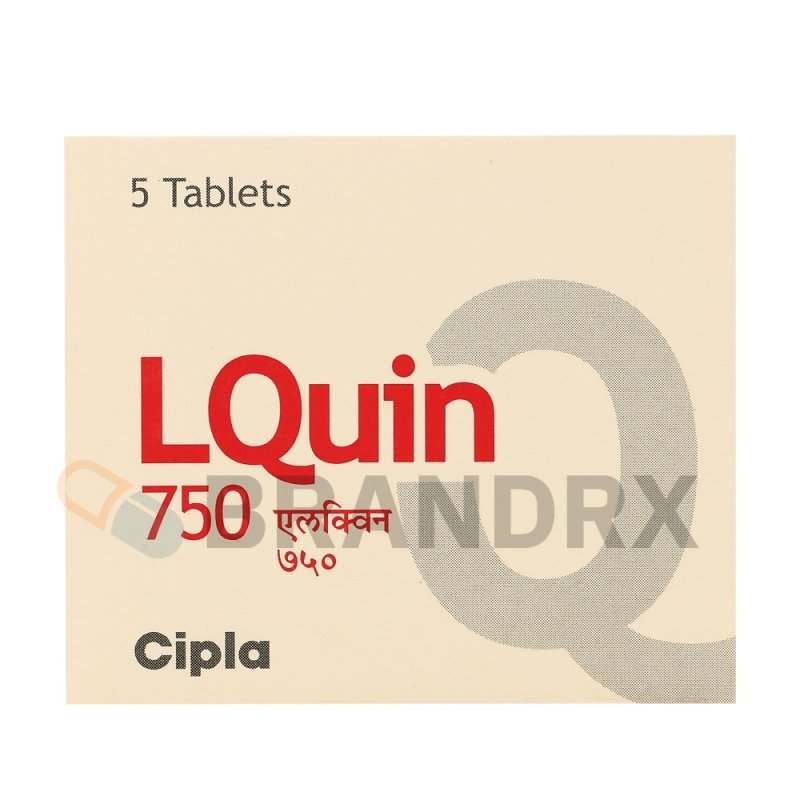
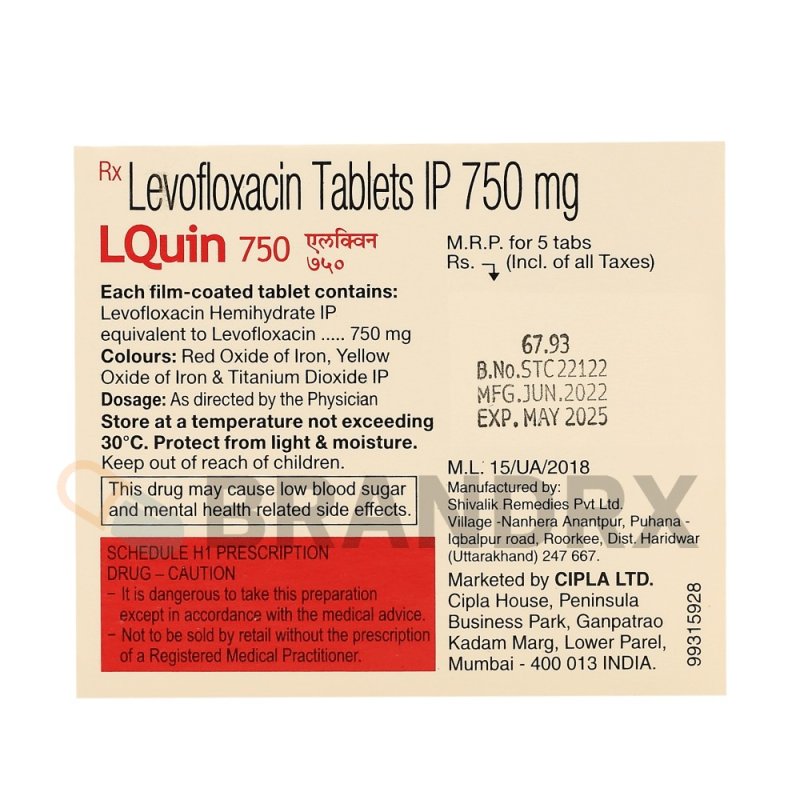
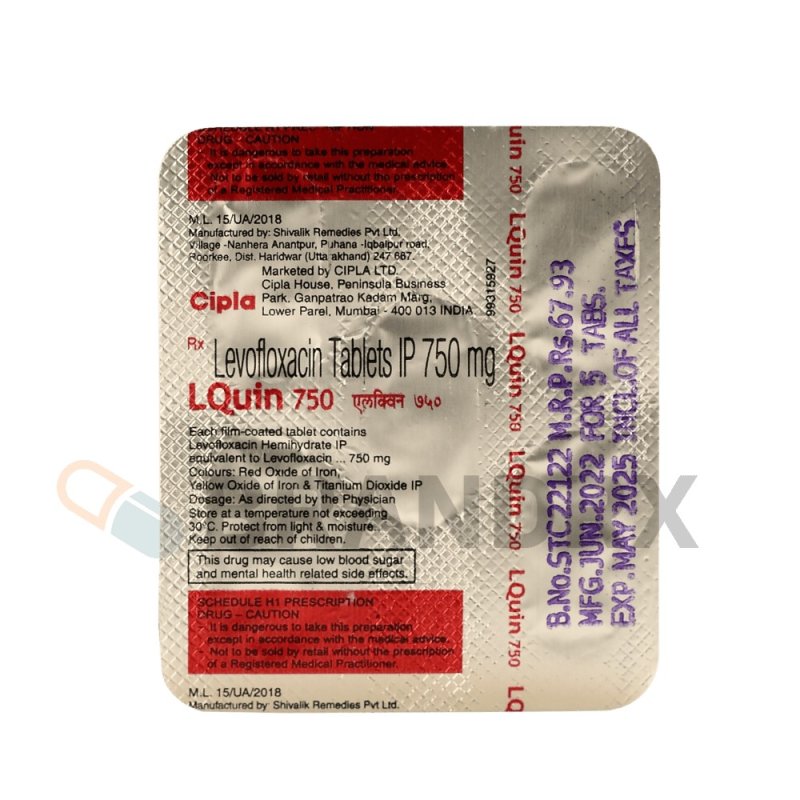
What Defines LQuin 750 mg Cipla
LQuin 750 mg Cipla is a pharmaceutical product primarily composed of the active ingredient Quinolone, known for its potent antimicrobial properties. This medication falls under the category of broad-spectrum antibiotics, which means it is effective against a wide range of bacterial infections. The primary mechanism of action for LQuin 750 mg Cipla revolves around inhibiting bacterial DNA synthesis and replication, effectively halting the growth of bacteria. It’s particularly beneficial in treating respiratory, urinary tract, and skin infections, among others. This medication is formulated to ensure optimal absorption and efficacy, making it suitable for various medical applications.
Types and Forms of the Pharmaceutical Product
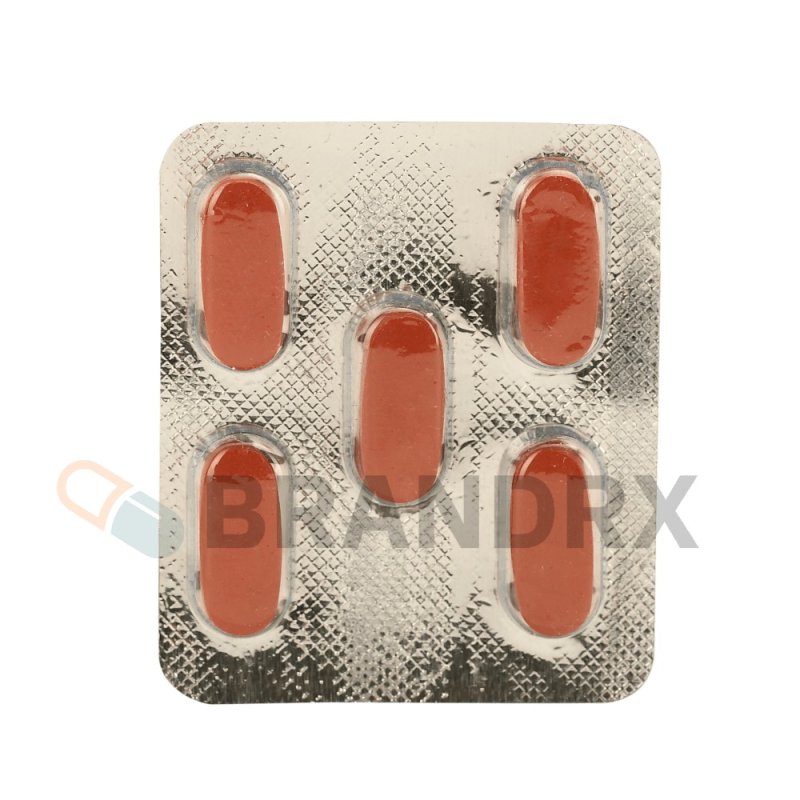
LQuin 750 mg Cipla is available primarily in tablet form, which is the most common and convenient for oral administration. The tablets are designed for ease of swallowing and are typically coated to ensure they resist the gastric environment until they reach the intestine, where absorption takes place. While the 750 mg dosage is prevalent, healthcare providers might prescribe different dosages based on the severity of the infection and the patient’s unique medical conditions. It’s vital for patients to follow their healthcare provider’s instructions regarding the specific format and dosage that best suits their needs.
Key Differences Between LQuin 750 mg Cipla and Other Related Substances
LQuin 750 mg Cipla distinguishes itself from other antibiotic medications primarily through its targeted action and efficacy against resistant strains of bacteria. Unlike narrow-spectrum antibiotics, LQuin offers a broader coverage, which is crucial in cases where infections may not respond to typical treatments. Additionally, this formulation has undergone rigorous clinical testing, ensuring consistent performance and safety when used as directed. Users should consider LQuin 750 mg Cipla particularly for its effectiveness in chronic infections and conditions caused by difficult-to-treat bacteria. The choice of LQuin over similar medications may also reduce the risk of developing further antibiotic resistance, a growing concern in modern medicine.
Long-term Effects and Considerations for Use
The long-term effects of using LQuin 750 mg Cipla generally revolve around its ability to eradicate infections efficiently without contributing to further complications, provided it is used responsibly. However, patients must be aware of potential contraindications. This medication may not be suitable for pregnant women, minors, or individuals with specific medical conditions such as severe renal impairment or those with a history of tendon disorders. Prolonged use of antibiotics can lead to adverse effects, including changes in gut microbiota, development of secondary infections, or antibiotic resistance. Therefore, it is advisable for individuals to consult with their healthcare providers regarding their medical history and any ongoing treatments before starting LQuin 750 mg Cipla.
Choosing and Using LQuin 750 mg Cipla Correctly
When considering the use of LQuin 750 mg Cipla, it is essential to consult a healthcare professional to ensure that it is the appropriate choice for your specific health needs. Start by discussing your symptoms and medical history so that your provider can confirm the necessity of an antibiotic treatment. If prescribed LQuin, it is crucial to follow the dosage guidelines carefully to maximize its effectiveness while minimizing the risks of side effects. Additionally, completing the entire course of medication, even if symptoms improve before finishing, is essential to prevent the resurgence of infection and the development of drug resistance. Regular follow-up appointments with your healthcare provider can help monitor your progress and make any necessary adjustments to your treatment plan.
| Features | |
| Active substance | Levofloxacin |
| Also known as | L-isomer of Ofloxacin |
| Blood pressure | No direct effects on blood pressure |
| Chemical name | (S)-9-Fluoro-2,3-dihydro-3-methyl-10-(4-methyl-1-piperazinyl)-7-oxo-7H-pyrido[1,2,3-de]-1,4-benzoxazine-6-carboxylic acid |
| Dosage (medical) | Typically 250 mg to 750 mg once daily, depending on the infection type and severity |
| Dosage (sports) | Not applicable |
| Effects | Effective against a broad range of gram-positive and gram-negative bacteria |
| Formula | C18H20FN3O4 |
| Half-life | Approximately 6 to 8 hours |
| Hepatotoxicity | Rare, but potential for liver enzyme elevations |
| Lab Test | Not specifically monitored via lab tests in standard clinical practice |
| Main action | Antibacterial |
| Side effects | Nausea, diarrhea, headache, dizziness, insomnia, and potential for tendon damage |
| Storage conditions | Store at room temperature away from moisture and heat |
| Strength | 750mg |
| Substance class | Fluoroquinolone antibiotic |
| Trade name | Levaquin, Tavanic, and others |
| Use in sports | Not typically used in sports, misuse can lead to serious health risks |
| Water Retention | No significant effect on water retention |
| Manufacturer | Cipla Ltd. |
| Packing | 5 tabs/blister |