
What Defines Levoquin 500 mg Cipla
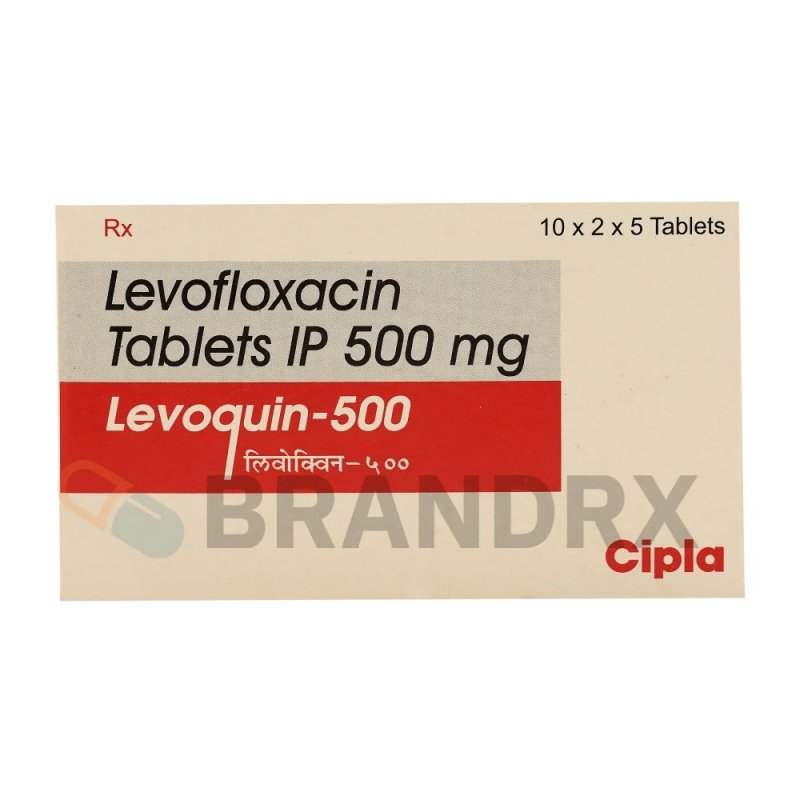
Levoquin 500 mg Cipla is a potent antibiotic medication that falls under the category of fluoroquinolones. It is primarily used to treat a variety of bacterial infections by inhibiting the growth of bacteria. The main active ingredient, levofloxacin, works by interfering with the DNA replication process within bacterial cells, effectively stopping their reproduction. This mechanism of action helps to eliminate existing bacterial infections and prevent the spread of further complications. Levoquin is well regarded for its broad-spectrum antibacterial activity, making it a suitable choice for treating respiratory tract infections, urinary tract infections, and skin infections, among others. Key characteristics of Levoquin 500 mg Cipla include its effectiveness against both gram-positive and gram-negative bacteria, good bioavailability, and a relatively favorable side effect profile when used as directed.
Types and Formats Available
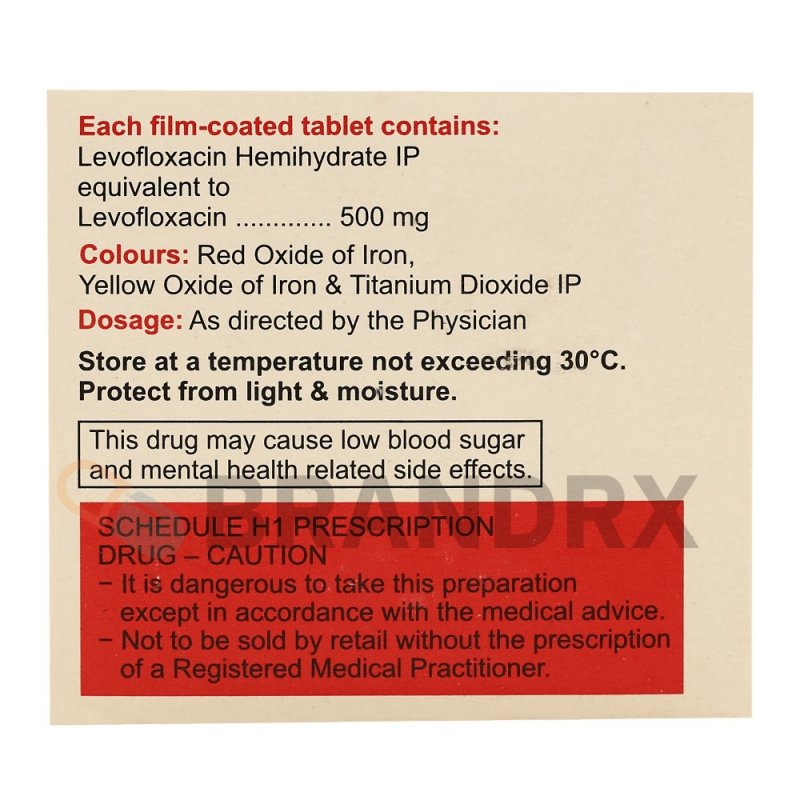
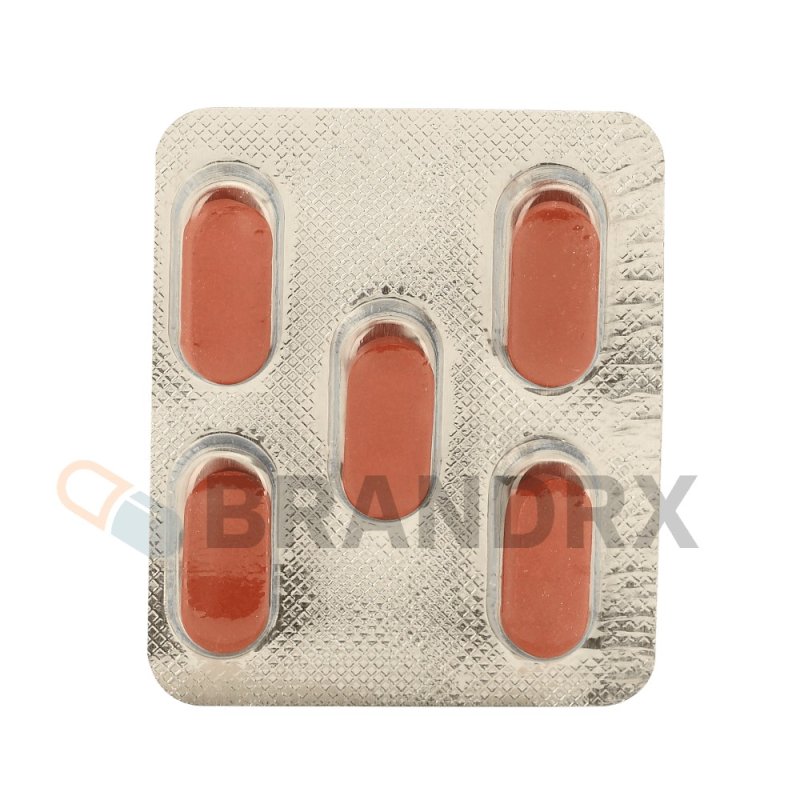
Levoquin 500 mg Cipla is primarily available in tablet form, which is convenient for oral administration. Tablets are generally coated, making them easier to swallow and helping to protect the active ingredient from degradation in the stomach. In addition to the 500 mg dosage, Levoquin may also come in other strengths such as 250 mg and 750 mg, offering flexibility depending on the severity of the infection and the patient's individual needs. While oral tablets are the most common form, intravenous formulations of levofloxacin are also available for hospitalized patients requiring immediate and effective antibiotic therapy. Each format facilitates the optimal delivery of the medication, ensuring patients receive the appropriate dosage for their condition.
Key Differences Between Levoquin 500 mg Cipla and Other Related Substances
Levoquin 500 mg Cipla distinguishes itself from other antibiotics through its specific action, dosage forms, and range of treatable conditions. Unlike some other fluoroquinolones, Levoquin is known for its high bioavailability, which means it is efficiently absorbed into the bloodstream, allowing for effective treatment even at lower doses. Additionally, it is effective against a broader spectrum of pathogens compared to alternatives such as ciprofloxacin. Patients may choose Levoquin 500 mg Cipla because of its proven efficacy in conditions that other antibiotics may not adequately address. The combination of its powerful bacterial inhibition, alternative forms, and manageable side effects make Levoquin a preferred option for both physicians and patients.
Long-Term Effects and Considerations for Use
Long-term use of Levoquin 500 mg Cipla can yield significant benefits in managing chronic infections; however, it is crucial to recognize possible contraindications and precautions. Extended antibiotic treatment can disrupt the balance of gut flora and lead to antibiotic resistance, making it imperative that Levoquin is prescribed appropriately. Certain populations, such as pregnant women and breastfeeding mothers, should avoid this medication due to potential risks to the fetus or infant. Additionally, patients with a history of tendon damage or certain musculoskeletal disorders may find Levoquin unsuitable, as fluoroquinolones have been associated with tendonitis and tendon rupture. Such considerations underscore the importance of consulting healthcare providers before commencing treatment.
Practical Advice for Choosing and Using Levoquin 500 mg Cipla
When selecting or starting Levoquin 500 mg Cipla, patients should be guided by healthcare professionals who can assess their specific medical conditions and history. It is essential to adhere to the prescribed dosage and duration of therapy to optimize outcomes and minimize potential side effects. Patients are advised to inform their doctor of any existing medications, allergies, or health issues to prevent interactions or complications. Consuming the medication with water and without food may enhance absorption, although this can vary based on individual circumstances. Monitoring for any adverse reactions or signs of worsening infection during treatment is vital, and patients should contact their healthcare provider if they experience unexpected side effects. Following these guidelines will help ensure that Levoquin serves as an effective tool in managing bacterial infections while safeguarding the patient's health.
| Features | |
| Active substance | Levofloxacin |
| Also known as | L-isomer of Ofloxacin |
| Blood pressure | No direct effects on blood pressure |
| Chemical name | (S)-9-Fluoro-2,3-dihydro-3-methyl-10-(4-methyl-1-piperazinyl)-7-oxo-7H-pyrido[1,2,3-de]-1,4-benzoxazine-6-carboxylic acid |
| Dosage (medical) | Typically 250 mg to 750 mg once daily, depending on the infection type and severity |
| Dosage (sports) | Not applicable |
| Effects | Effective against a broad range of gram-positive and gram-negative bacteria |
| Formula | C18H20FN3O4 |
| Half-life | Approximately 6 to 8 hours |
| Hepatotoxicity | Rare, but potential for liver enzyme elevations |
| Lab Test | Not specifically monitored via lab tests in standard clinical practice |
| Main action | Antibacterial |
| Side effects | Nausea, diarrhea, headache, dizziness, insomnia, and potential for tendon damage |
| Storage conditions | Store at room temperature away from moisture and heat |
| Strength | 500mg |
| Substance class | Fluoroquinolone antibiotic |
| Trade name | Levaquin, Tavanic, and others |
| Use in sports | Not typically used in sports, misuse can lead to serious health risks |
| Water Retention | No significant effect on water retention |
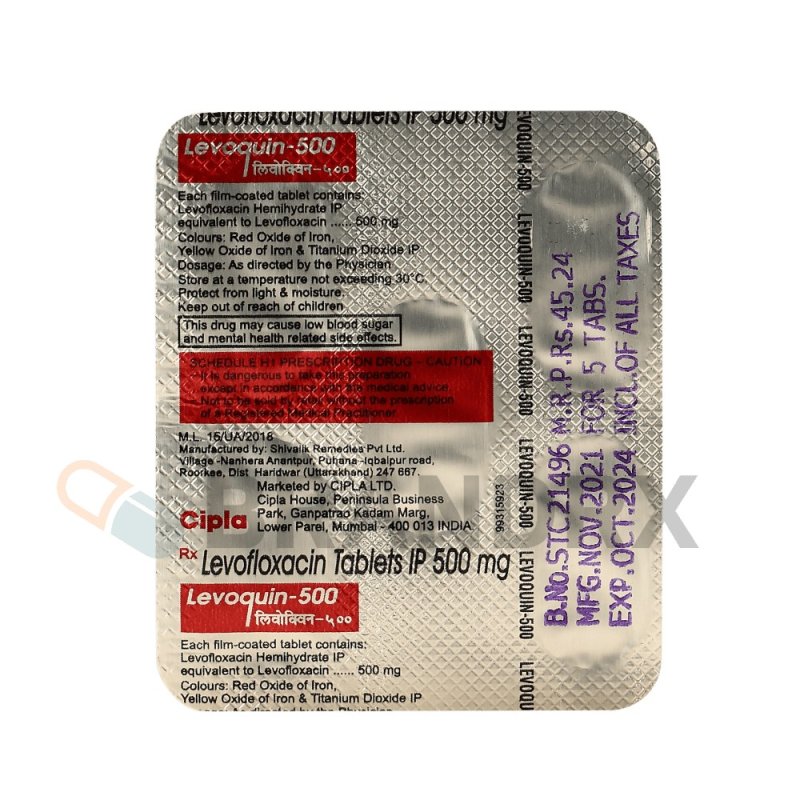
| Manufacturer | Cipla Ltd. |
| Packing | 5 tabs/blister |