
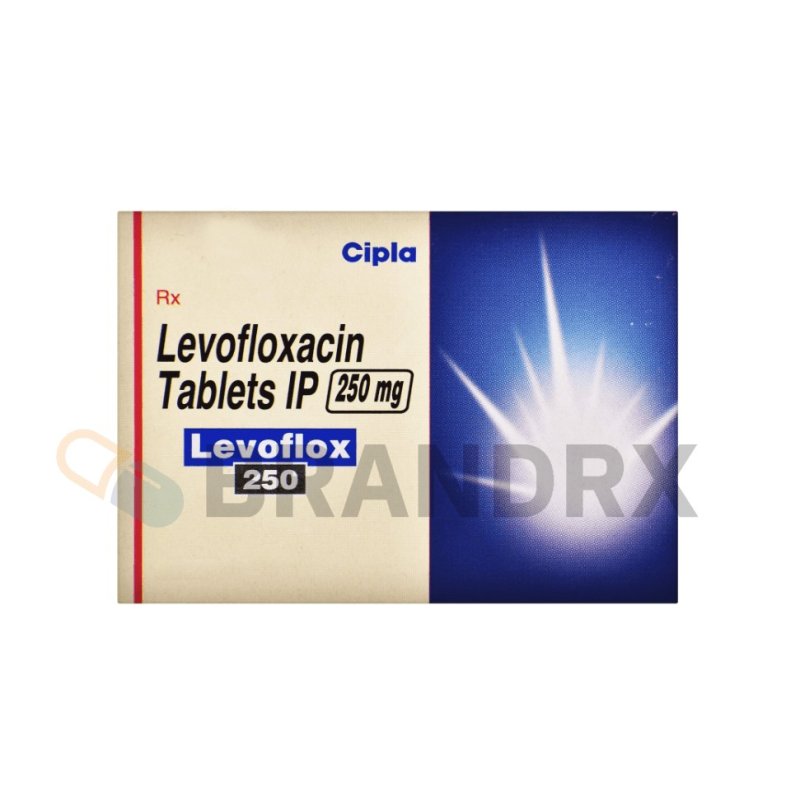
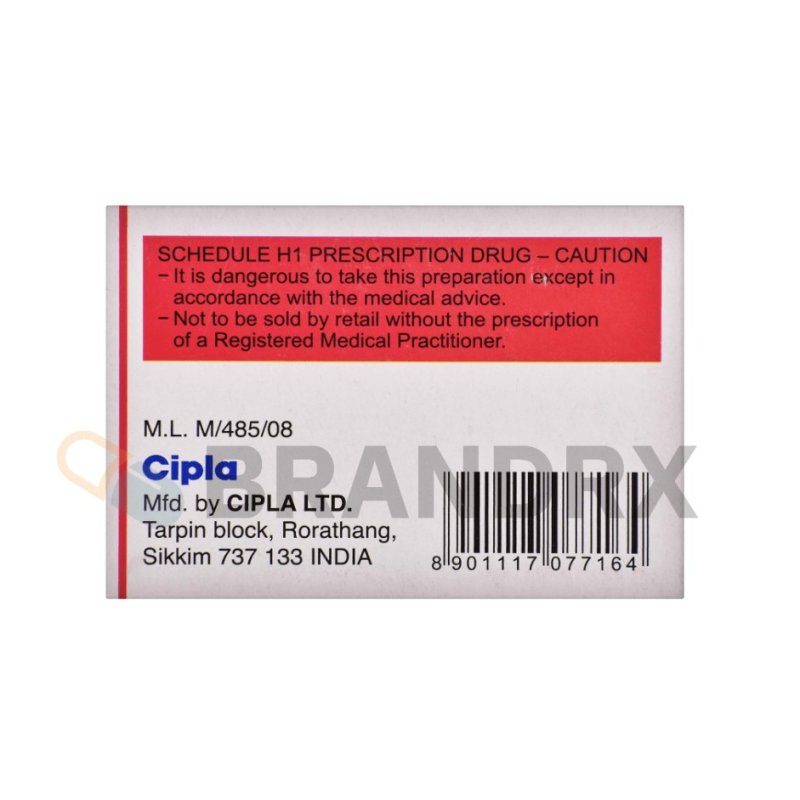
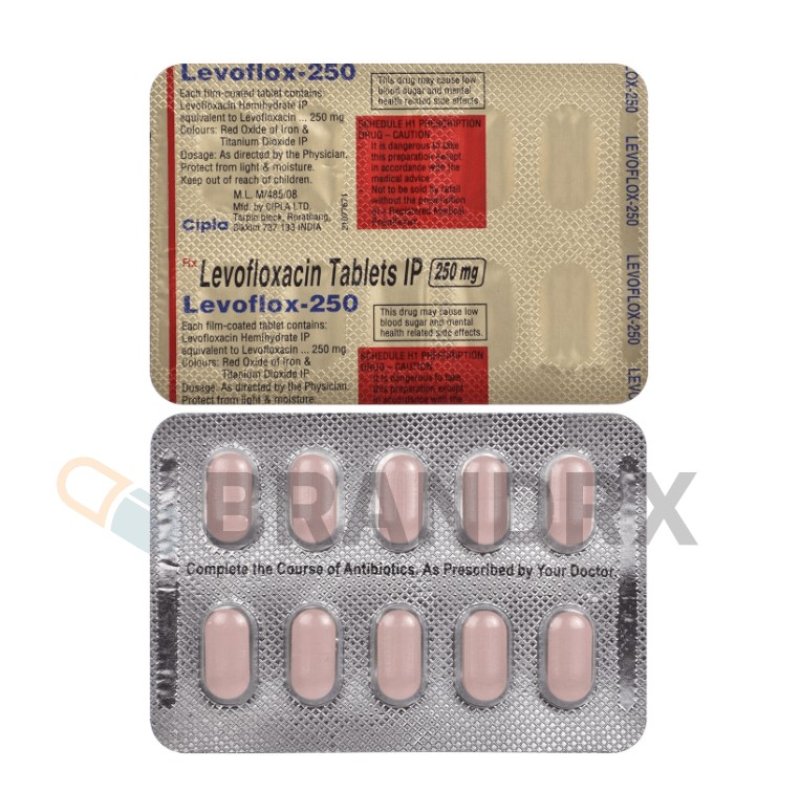
Understanding Levoflox 250 mg Cipla: Key Features and Mechanism of Action
Levoflox 250 mg Cipla is a broad-spectrum antibiotic that falls under the category of fluoroquinolones. It is primarily renowned for its effectiveness against various bacterial infections. The main working principle of Levoflox involves interfering with the bacterial DNA replication process. By inhibiting specific enzymes known as DNA gyrase and topoisomerase IV, Levoflox disrupts the ability of bacteria to replicate and repair their DNA, ultimately leading to cell death. This mechanism makes it a powerful option for treating infections caused by both gram-positive and gram-negative bacteria.
Key features of Levoflox 250 mg Cipla include its rapid absorption and distribution throughout the body, which allows for effective systemic treatment of infections. Additionally, it demonstrates a favorable pharmacokinetic profile, including a long half-life that enables once-daily dosing. This not only enhances patient compliance but also increases the drug's overall effectiveness in managing infections.
Forms of Release and Administration
Levoflox 250 mg Cipla is primarily available in oral tablet form, making it convenient for patients to take without the need for intravenous administration. The tablets are often prescribed for ease of use, allowing for at-home treatment while avoiding the complications and discomfort associated with injection-based therapies. This convenience is particularly beneficial for patients who require long-term antibiotic therapy or those who are managing chronic infections. In some cases, Levoflox may also be available in injectable forms, catering to situations where immediate antibiotic action is required, such as severe infections that demand hospitalization.
Distinguishing Levoflox 250 mg Cipla from Other Antibiotics
Levoflox 250 mg Cipla boasts several differences from other antibiotics that can influence a user's choice. Unlike many traditional antibiotics that target a narrow spectrum of bacteria, Levoflox is effective against a wide array of pathogens, including those resistant to other antibiotic classes. This broad spectrum is particularly crucial in today's healthcare environment, where antibiotic resistance poses significant treatment challenges.
Furthermore, Levoflox's unique mechanism of action makes it suitable for cases where other antibiotics might fall short. For instance, it can effectively treat respiratory tract infections, urinary tract infections, and skin infections. Users seeking an effective solution for complicated bacterial infections often consider Levoflox due to its reliability and efficiency in combating drug-resistant strains.
Long-term Use, Contraindications, and Suitability
When considering long-term use of Levoflox 250 mg Cipla, it is essential to weigh its benefits against potential contraindications and adverse effects. While many patients tolerate this medication well, it is not suitable for everyone. Pregnant women, nursing mothers, and children under the age of 18 are generally advised against using this medication due to potential risks associated with developing tissues and organs. Additionally, individuals with a history of tendon disorders or those suffering from certain neurological conditions should exercise caution, as Levoflox can contribute to tendon rupture or exacerbate neurological symptoms.
Regular monitoring and consultation with a healthcare provider are crucial to safely utilize this antibiotic, ensuring that treatment remains effective while minimizing risks associated with long-term use.
Practical Advice for Starting Levoflox 250 mg Cipla
When beginning to use Levoflox 250 mg Cipla, consider several practical tips to maximize its effectiveness and mitigate any potential adverse effects. First and foremost, adhering to the prescribed dosage and duration is vital for ensuring successful treatment. Even if symptoms improve, completing the entire course is crucial to prevent bacterial resistance.
It is also advisable to inform your healthcare provider of any existing health conditions or medications you are currently taking, as this can help to avoid interactions and side effects. Staying hydrated and maintaining a balanced diet during treatment can support overall health and bolster the immune system, which could enhance the effectiveness of Levoflox.
Lastly, if you experience any unusual symptoms or side effects while taking Levoflox, it is essential to reach out to a healthcare professional promptly. Early intervention can help manage potential complications and ensure a safe and effective treatment journey with this antibiotic.
| Features | |
| Active substance | Levofloxacin |
| Also known as | L-isomer of Ofloxacin |
| Blood pressure | No direct effects on blood pressure |
| Chemical name | (S)-9-Fluoro-2,3-dihydro-3-methyl-10-(4-methyl-1-piperazinyl)-7-oxo-7H-pyrido[1,2,3-de]-1,4-benzoxazine-6-carboxylic acid |
| Dosage (medical) | Typically 250 mg to 750 mg once daily, depending on the infection type and severity |
| Dosage (sports) | Not applicable |
| Effects | Effective against a broad range of gram-positive and gram-negative bacteria |
| Formula | C18H20FN3O4 |
| Half-life | Approximately 6 to 8 hours |
| Hepatotoxicity | Rare, but potential for liver enzyme elevations |
| Lab Test | Not specifically monitored via lab tests in standard clinical practice |
| Main action | Antibacterial |
| Side effects | Nausea, diarrhea, headache, dizziness, insomnia, and potential for tendon damage |
| Storage conditions | Store at room temperature away from moisture and heat |
| Strength | 250mg |
| Substance class | Fluoroquinolone antibiotic |
| Trade name | Levaquin, Tavanic, and others |
| Use in sports | Not typically used in sports, misuse can lead to serious health risks |
| Water Retention | No significant effect on water retention |
| Manufacturer | Cipla Ltd. |
| Packing | 10 tabs/blister |