
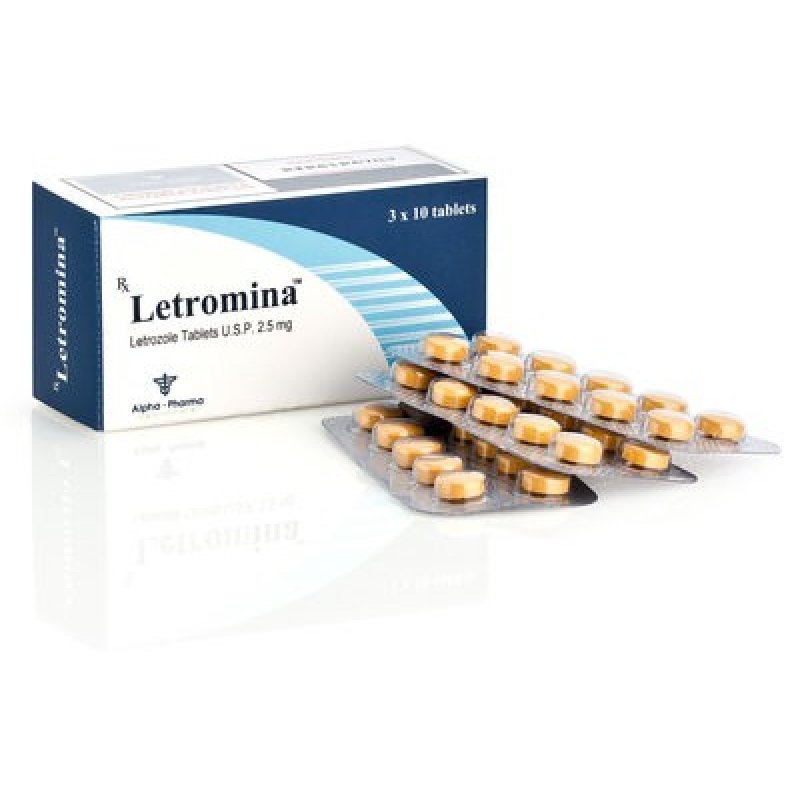
Define LETROMINA Pharmaceutical and Explain Its General Purpose
LETROMINA Pharmaceutical is a medication primarily used in the management of hormone-sensitive breast cancer, particularly in post-menopausal women. It functions as an aromatase inhibitor, effectively reducing estrogen levels in the body. Estrogen can promote the growth of certain types of breast tumors, particularly those that are hormone-receptor positive. By inhibiting the conversion of androgens to estrogens, LETROMINA Pharmaceutical plays a crucial role in slowing the progression of the disease and improving survival rates for patients.
LETROMINA Pharmaceutical is often prescribed after initial treatments, such as surgery or radiation, to prevent cancer recurrence. Its efficacy in controlling estrogen levels makes it a pivotal component of endocrine therapy, which is a major strategy in comprehensive breast cancer management. The medication is typically well-tolerated by patients, thereby enhancing adherence to treatment regimens aimed at combating hormone-driven malignancies.
Describe How LETROMINA Pharmaceutical Fits into Broader Treatment Strategies or Usage Approaches
In the context of broader treatment strategies, LETROMINA Pharmaceutical occupies a significant niche within the multidisciplinary approach to breast cancer therapy. Treatment regimens for hormone-sensitive breast cancer often include a combination of surgical intervention, radiation therapy, chemotherapy, and targeted therapies like LETROMINA Pharmaceutical. The integration of medications like LETROMINA Pharmaceutical typically follows initial treatments with the objective of eliminating remaining cancer cells and preventing the disease from returning.
One key aspect of its usage is the combination with other therapeutic options to enhance overall treatment efficacy. For instance, LETROMINA Pharmaceutical may be used in conjunction with other hormonal agents or as part of a sequence of therapies over time. This strategic application is vital, as breast cancer is not a one-size-fits-all disease; treatment plans need to be tailored based on individual patient factors, including the specific type of breast cancer, its stage, and the patient's overall health condition.
The integration of LETROMINA Pharmaceutical into treatment plans also aligns with personalized medicine. Oncologists evaluate hormone receptor statuses and other biomarkers to determine the most effective therapeutic pathways, thereby optimizing treatment outcomes. Patient education and engagement are crucial components of this process, as they empower individuals to make informed decisions about their health in collaboration with medical professionals.
Explain the Advantages Users Typically Expect from This Preparation
Patients using LETROMINA Pharmaceutical can anticipate several significant benefits that contribute to their treatment experience. The advantages of this medication include the following:
- Effective estrogen suppression: LETROMINA Pharmaceutical reduces estrogen levels, which is critical in managing hormone-sensitive breast cancer.
- Improved survival rates: Studies show that patients using LETROMINA have better long-term outcomes when combined with other therapies.
- Well-tolerated: Most patients report mild side effects, which enhances overall treatment compliance.
- Reduces the risk of cancer recurrence: By lowering estrogen levels, LETROMINA Pharmaceutical significantly minimizes the chances of later-stage cancer re-emerging.
- Versatile treatment options: LETROMINA Pharmaceutical can be incorporated into various treatment regimens, offering flexibility tailored to individual patient needs.
These advantages underscore LETROMINA Pharmaceutical's place as an essential drug in the armamentarium against hormone-sensitive breast cancer, making it a valuable tool in the fight against this common malignancy.
Discuss Risks, Precautions, and Contraindications for Use of This Preparation
Despite its effectiveness, the use of LETROMINA Pharmaceutical is not without risks. Patients and healthcare providers should engage in thorough discussions about the potential adverse effects and contraindications associated with this medication. Common side effects may include hot flashes, joint pain, fatigue, and increased risk of osteoporosis. Some patients may also experience cardiovascular issues or changes in cholesterol levels, necessitating regular monitoring during treatment.
Furthermore, certain contraindications must be considered. Patients with a known hypersensitivity to LETROMINA or any of its components should not use this medication. It is also recommended that individuals who are pregnant or breastfeeding refrain from using LETROMINA, as it can harm the developing fetus or infant. Patients with a history of liver impairment or those taking medications that could interact adversely with LETROMINA should consult their healthcare providers for guidance.
Precautions must be taken before initiating treatment. A full medical history and comprehensive physical examination should be conducted to assess individual risks and ensure that LETROMINA is the appropriate therapy for the patient’s specific condition. Ongoing assessment and communication between patients and healthcare professionals are pivotal in managing side effects and ensuring the overall success of the treatment plan.
Conclude with Guidance on How Users Should Approach Understanding and Using LETROMINA Pharmaceutical Responsibly
Understanding and using LETROMINA Pharmaceutical responsibly involves a multi-faceted approach that prioritizes patient education, adherence to treatment protocols, and ongoing communication with healthcare providers. Patients should be proactive in discussing their treatment plan, including any concerns or misconceptions about the medication. It is essential to understand the role of LETROMINA within the broader context of their cancer management strategy and how it may interact with other therapies.
Additionally, users should participate in regular follow-up appointments to monitor their response to the medication and address any side effects promptly. Keeping an open line of communication about any changes in health status will facilitate timely adjustments to the treatment plan as needed. Finally, patients are encouraged to stay informed about new research, available support resources, and lifestyle modifications that may enhance their overall well-being while undergoing treatment with LETROMINA Pharmaceutical.
By approaching LETROMINA Pharmaceutical with a well-rounded understanding and responsible usage, patients stand to gain the maximum benefits from their treatment regimen, ultimately enhancing their health outcomes and quality of life.
| Features | |
| Also known as | Letrozol |
| Blood pressure | Can cause a decrease in blood pressure |
| Chemical name | 4,4'-(1H-1,2,4-Triazol-1-ylmethylene)dibenzonitrile |
| Dosage (medical) | 2.5 mg daily |
| Dosage (sports) | Typically 0.5 mg to 2.5 mg daily depending on purpose and cycling needs |
| Effects | Reduces estrogen levels, increases luteinizing hormone and follicle-stimulating hormone levels |
| Formula | C17H11N5 |
| Half-life | 2 days |
| Hepatotoxicity | Low hepatotoxicity |
| Lab Test | Monitoring of liver function tests, lipid profiles, and bone density |
| Main action | Inhibits the enzyme aromatase, preventing the synthesis of estrogen |
| Side effects | Hot flashes, joint pain, fatigue, increased risk of osteoporosis, nausea |
| Storage conditions | Store at room temperature away from moisture and heat |
| Substance class | Aromatase inhibitor |
| Trade name | Femara |
| Use in sports | Used by bodybuilders and athletes to reduce estrogen levels and increase testosterone levels |
| Water Retention | Reduces water retention |
| Manufacturer | Pharmaceutical |