
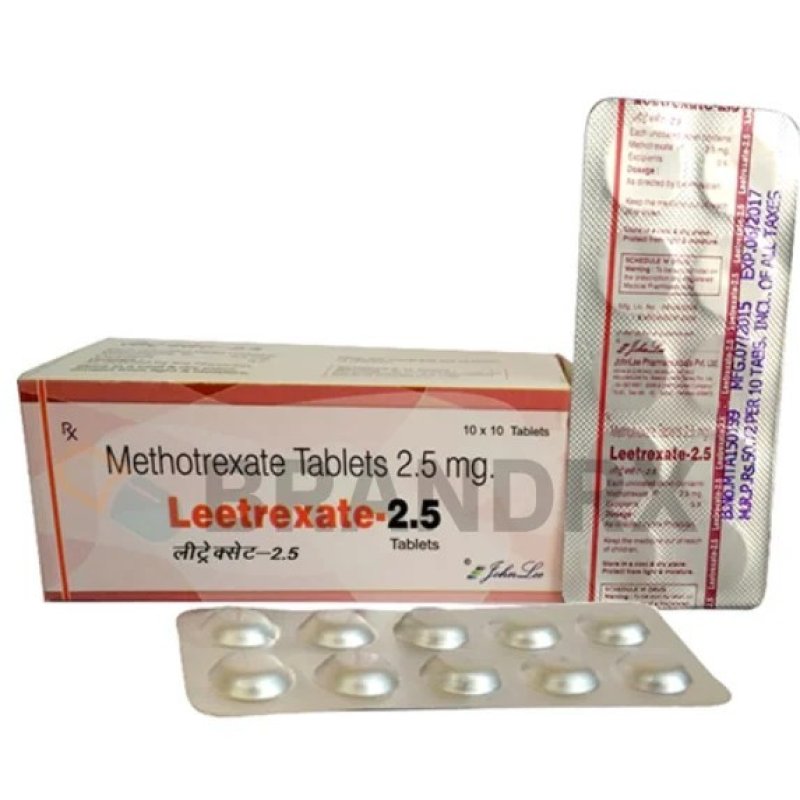
Understanding Leetrexate 2.5 mg Johnlee Pharmaceuticals
Leetrexate 2.5 mg Johnlee Pharmaceuticals is a medication that operates as an antimetabolite, primarily used in the treatment of certain types of cancer and autoimmune diseases, such as rheumatoid arthritis and psoriasis. Its active ingredient, methotrexate, works by inhibiting the metabolism of cells, particularly those that divide rapidly. This mechanism makes it effective in targeting malignant cells while also influencing the immune response in autoimmune conditions. One of the key features of Leetrexate is its ability to interfere with the synthesis of DNA, ultimately leading to reduced cell proliferation. This specific targeting allows for a profound therapeutic effect with careful monitoring. It is notable for its relatively low dosage, which minimizes potential side effects while still delivering effective treatment.
Forms and Release Types of Leetrexate
Leetrexate is primarily available in tablet form, offering convenience for oral administration. This form is designed to ensure a consistent release of the active ingredient into the bloodstream, thereby maintaining therapeutic levels for optimal efficacy. The oral tablet form allows for easier dosing schedules compared to injections that may be required for other forms of methotrexate. The 2.5 mg dosage is particularly tailored for conditions where lower doses reduce the risk of side effects while maintaining effectiveness. Other formulations may include injectable forms, but the 2.5 mg tablet is widely prescribed due to its ease of use and manageable dosing.
Why Choose Leetrexate 2.5 mg Johnlee Pharmaceuticals
When considering treatment options, one of the core differences that set Leetrexate 2.5 mg Johnlee Pharmaceuticals apart from other methotrexate preparations is its formulation that allows for targeted therapy with fewer side effects. Unlike higher doses of methotrexate, which can lead to more significant toxicity, Leetrexate is designed to provide a therapeutic effect at a lower dose, making it a preferred choice for many healthcare professionals. Additionally, the specific formulation used in Leetrexate enhances its bioavailability, ensuring that a significant portion of the drug reaches systemic circulation. For patients dealing with chronic conditions, managing side effects is critical, and Leetrexate aims to address this concern while still delivering effective treatment.
Long-Term Effects and Contraindications
The long-term use of Leetrexate 2.5 mg Johnlee Pharmaceuticals can lead to significant improvements in managing chronic conditions like rheumatoid arthritis and certain cancers. Patients may experience reduced symptoms, increased mobility, and overall improved quality of life. However, it is essential to ensure that treatment is monitored closely by healthcare providers. Certain contraindications include pregnancy, breastfeeding, and individuals with liver disease, significant renal impairment, or those who have demonstrated hypersensitivity to methotrexate or any of its components. Long-term use should also be approached cautiously in elderly patients or those with pre-existing medical conditions that could complicate therapy.
Practical Advice for Starting Leetrexate 2.5 mg Johnlee Pharmaceuticals
When considering starting Leetrexate 2.5 mg Johnlee Pharmaceuticals, it is vital to consult with your healthcare provider to develop a tailored treatment plan. They can provide insights into dosage adjustments based on individual health needs and monitor for potential side effects. Before initiating treatment, patients should discuss their medical history, including any current medications or underlying health conditions, to ensure safety and efficacy. It is also advisable to adhere strictly to the prescribed dosing schedule, attend regular follow-up appointments for blood work, and report any unusual symptoms promptly. Establishing open communication with your healthcare provider will facilitate optimal treatment outcomes and adjustments as necessary.
| Features | |
| Active substance | Methotrexate |
| Also known as | MTX, Amethopterin |
| Blood pressure | No direct effect |
| Chemical name | Methotrexate |
| Dosage (medical) | Typically 7.5 mg once weekly for rheumatoid arthritis, varying doses for cancer treatment depending on protocol |
| Dosage (sports) | Not applicable |
| Effects | Reduces activity of the immune system and interferes with growth of cancer cells |
| Formula | C20H22N8O5 |
| Half-life | 3 to 10 hours (variable) |
| Hepatotoxicity | High, requires regular liver function monitoring |
| Lab Test | Regular monitoring of blood counts and liver function tests |
| Main action | Inhibits dihydrofolate reductase, leading to a decrease in DNA synthesis and cell reproduction |
| Side effects | Nausea, vomiting, liver toxicity, lung disease, increased risk of infection, mucositis, alopecia |
| Storage conditions | Store at room temperature away from light and moisture |
| Strength | 2.5mg |
| Substance class | Antimetabolite, specifically a folate analog |
| Trade name | Trexall, Rheumatrex |
| Use in sports | Not typically used in sports |
| Water Retention | None |
| Manufacturer | Johnlee Pharmaceuticals Pvt. Ltd. |
| Packing | 10 tabs/blister |