
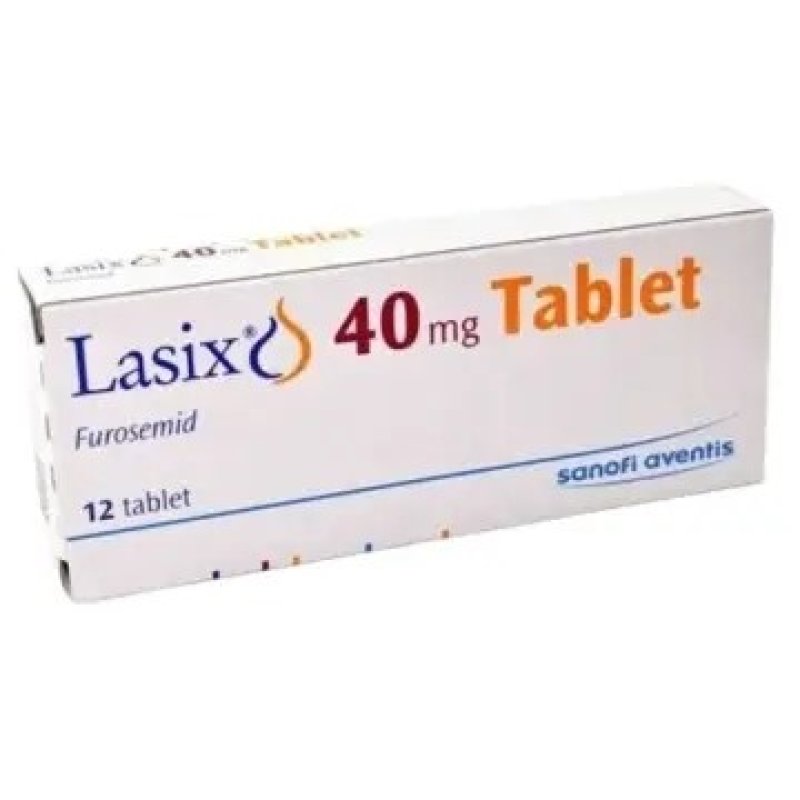
What Defines LASIX TABLET Aventis and Its Basic Principles of Operation
LASIX TABLET Aventis, known generically as furosemide, is a potent diuretic medication primarily used to treat conditions associated with fluid retention such as congestive heart failure, liver cirrhosis, and kidney disorders. The main mechanism of action involves inhibiting sodium and chloride reabsorption in the ascending loop of Henle in the kidneys, leading to increased urine production. This results in decreased fluid accumulation in the body, providing relief from symptoms associated with excess fluid, including swelling and hypertension.
Key characteristics of LASIX TABLET Aventis include its rapid onset of action and its efficacy in promoting diuresis, or increased urination. Patients often experience the diuretic effects within one hour of administration, making it a preferred option for rapid fluid removal. Due to its potent nature, LASIX TABLET Aventis can effectively manage acute conditions that require immediate attention. The dosage of this medication may vary based on the individual’s health status, the severity of fluid retention, and the specific indication for use.
Available Forms and Presentation of LASIX TABLET Aventis
LASIX TABLET Aventis is primarily available in tablet form, which makes it convenient for patients seeking oral administration. The tablets typically come in various strengths, which allows for tailored dosing based on each patient's specific needs. This flexibility in dosing can help healthcare providers manage the treatment regimen effectively, adjusting the amount based on therapeutic response and tolerability.
In addition to the tablet form, LASIX TABLET Aventis may also be available as a solution for injection, although this is less commonly used in outpatient settings. The oral tablet form is preferred largely due to its ease of use, especially for patients who may need to self-administer the medication at home. Proper storage and handling are important to maintain the effectiveness of the tablets; they should be kept in a cool, dry place away from direct sunlight.
Main Differences from Other Approaches and Why Consider LASIX TABLET Aventis
LASIX TABLET Aventis stands out when compared to other diuretic medications primarily due to its potency and speed of action. While many diuretics are available, such as thiazide diuretics, which are typically less effective in severe fluid imbalance cases, LASIX TABLET Aventis is often the first choice for those requiring rapid diuretic therapy. Its ability to promote significant fluid loss in a short duration is crucial for patients suffering from acute situations, such as heart failure exacerbations.
Furthermore, LASIX TABLET Aventis plays a significant role in the management of electrolyte imbalances, which can complicate treatment in patients with renal impairment or other underlying health issues. By carefully monitoring electrolyte levels during the administration of LASIX TABLET Aventis, healthcare providers can mitigate the risks of potential side effects associated with diuretic use. Patients may prefer LASIX TABLET Aventis due to its established efficacy and the trust that comes from extensive use in clinical settings.
Long-Term Effects and Contraindications for LASIX TABLET Aventis
The long-term use of LASIX TABLET Aventis can provide significant benefits for patients dealing with chronic edema and hypertension. However, it is essential to approach its prolonged use with caution. Some potential long-term effects include electrolyte imbalances, particularly low potassium levels, which can lead to serious complications if not monitored. Regular blood tests are often necessary to prevent adverse effects and ensure that the medication is used safely and effectively over time.
LASIX TABLET Aventis may not be suitable for everyone. It is contraindicated in individuals with anuria, which is the absence of urine production, and those who have demonstrated hypersensitivity to furosemide or sulfur-containing compounds. Special caution is advised for patients who are pregnant, nursing, or have certain medical conditions such as liver or kidney dysfunction. Additionally, pediatric use should be determined by a healthcare provider, as dosing may vary significantly in children.
Practical Advice on Choosing or Starting LASIX TABLET Aventis
When considering LASIX TABLET Aventis, it is crucial to do so under the guidance of a healthcare professional. A thorough evaluation of your medical history, current medications, and overall health status is essential. Before starting LASIX TABLET Aventis, discuss any potential allergies, existing health conditions, and the full list of medications you are currently taking to avoid any interaction.
As with any medication, adherence to the prescribed dosage and schedule is vital for achieving the desired therapeutic effects. Regular follow-up appointments should be scheduled to monitor your response to treatment and adjust the dosage if necessary. Pay attention to signs of potential side effects, such as increased urination, unusual fatigue, muscle cramps, or dizziness, and report them to your healthcare provider promptly.
In summary, LASIX TABLET Aventis is a powerful diuretic that can significantly improve the quality of life for patients suffering from fluid retention. By understanding its mechanisms, appropriate usage, and potential risks, patients can make informed decisions regarding their treatment options.
| Features | |
| Also known as | Frusemide (especially in some European countries) |
| Blood pressure | Lowers blood pressure |
| Chemical name | 4-chloro-N-furfuryl-5-sulfamoylanthranilic acid |
| Dosage (medical) | Typically, 20 to 80 mg per day, adjusted according to response |
| Dosage (sports) | Not applicable as usage for performance enhancement is not recommended |
| Effects | Increases urinary output, reduces blood pressure, decreases fluid retention |
| Formula | C12H11ClN2O5S |
| Half-life | Approximately 2 hours |
| Hepatotoxicity | Low risk of hepatotoxicity |
| Lab Test | Can be detected in urine tests |
| Main action | Inhibits the Na-K-2Cl symporter in the thick ascending limb of the loop of Henle |
| Raw Material | Flurosemid |
| Side effects | Dehydration, hypokalemia, hyponatremia, hypovolemia, dizziness, hypotension |
| Storage conditions | Store at room temperature, away from light and moisture |
| Substance class | Loop diuretic |
| Trade name | Lasix, among others |
| Use in sports | Primarily as a masking agent to hide the presence of other banned substances |
| Water Retention | Reduces water retention |
| Manufacturer | AVENTIS TR |
| Packing | 12 tabs x 40 mg |