
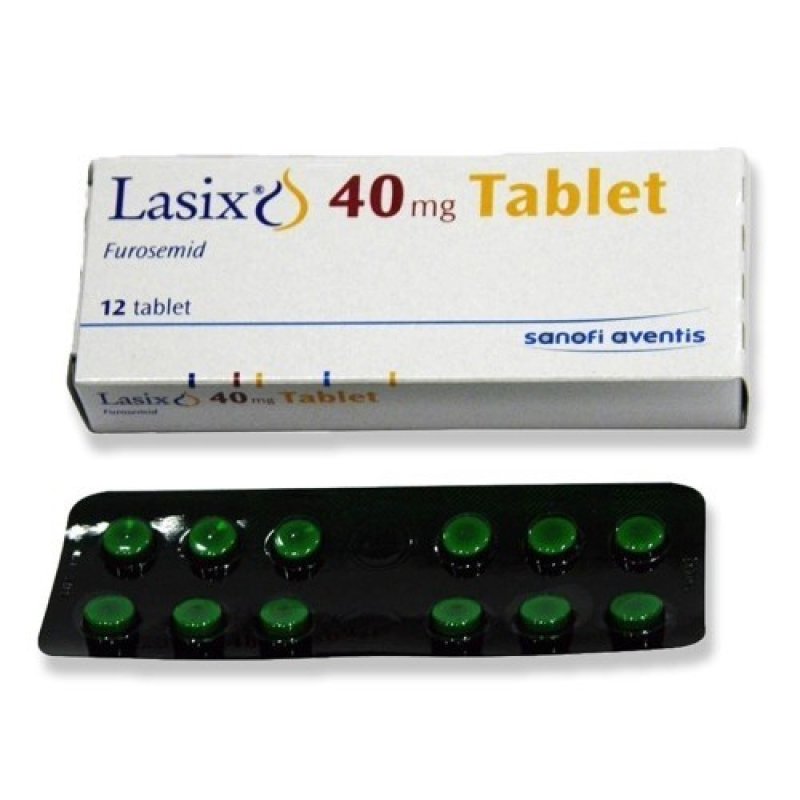
Lasix 40 Aventis role in sports pharmacology
Lasix 40 Aventis, a diuretic medication primarily containing furosemide, plays a significant role in sports pharmacology. It is commonly utilized to manage edema associated with heart failure, liver cirrhosis, and kidney disorders. In the sports arena, its usage has garnered both interest and controversy due to its ability to rapidly remove excess fluid from the body. Athletes seeking to reduce weight for specific competition categories may resort to Lasix due to its effectiveness in promoting diuresis, which ultimately aids in achieving desired weight classes. However, this application raises ethical questions regarding its classification in anti-doping regulations.
Lasix acts on the renal tubules, inhibiting the reabsorption of sodium and chloride, thereby enhancing the excretion of water and electrolytes. Its diuretic effects can lead to significant weight loss and may facilitate enhanced performance by improving strength-to-weight ratios. Nonetheless, the misuse of Lasix raises concerns about long-term health implications and the integrity of competitive sports. Consequently, it is crucial for athletes and trainers to fully understand the preparation's properties and the associated risks before considering its use.
Dosage scheme and optimal use
The dosage of Lasix 40 Aventis can vary significantly depending on the individual's medical condition and specific needs. Generally, the starting dose for adults may range from 20 mg to 80 mg, administered either once or in divided doses throughout the day. In a sports context, some individuals might opt for a higher dose, particularly when seeking rapid weight loss; however, such practices could lead to severe dehydration and electrolyte imbalances, which are detrimental to athletic performance and overall health. Medical supervision is essential when using this medication for the purpose of weight management or performance enhancement.
Optimal use of Lasix requires careful consideration of hydration levels, physical workload, and underlying health conditions. It is essential to monitor fluid intake to prevent dehydration, which can impair performance and lead to serious health complications. Athletes should also consider individual variability in response to the drug, as factors such as age, body weight, and kidney function can significantly influence its effectiveness and safety. Regular medical evaluations are advisable for those who incorporate diuretics like Lasix into their regimen, especially for extended periods.
Main benefits of Lasix 40 Aventis
The key advantages of Lasix 40 Aventis extend beyond its primary role as a diuretic. While primarily known for preventing fluid retention, its rapid action makes it appealing in high-pressure athletic environments. The following are core benefits associated with Lasix:
- Effective fluid reduction for weight management
- Quick onset of action, leading to fast results
- Potential enhancement of athletic performance through improved ratios of strength to body weight
- Wide accessibility in clinical settings under medical supervision
These benefits must be balanced against the potential risks and ethical implications of its usage in sports. Its ability to produce rapid diuresis can create an illusion of improved performance, but such approaches can ultimately compromise an athlete's health. Therefore, it is crucial for athletes to weigh the short-term benefits against long-term health consequences when considering Lasix as a performance aid.
Contraindications and important limitations of use
Despite its benefits, Lasix 40 Aventis is not suitable for everyone, and its use comes with several important contraindications and limitations. Individuals with a history of hypersensitivity to furosemide or sulfonamides should avoid this medication completely. Additionally, Lasix can exacerbate certain health conditions, particularly those involving kidney function. Patients with pre-existing renal impairment, dehydration, or electrolyte imbalances should proceed with caution or refrain from using this diuretic.
Furthermore, the simultaneous use of Lasix with certain medications can lead to adverse interactions, such as enhanced ototoxicity when used with aminoglycoside antibiotics. Pregnant and nursing women, as well as pediatric patients, should also consult with healthcare providers before using this medication due to insufficient research on safety in these populations. Ultimately, a comprehensive understanding of Lasix's effects and potential risks is essential for safe usage, especially in the demanding environment of competitive sports.
| Features | |
| Active substance | Flurosemid |
| Also known as | Frusemide (especially in some European countries) |
| Blood pressure | Lowers blood pressure |
| Category | Pharma Grade |
| Chemical name | 4-chloro-N-furfuryl-5-sulfamoylanthranilic acid |
| Dosage | 40 Mg |
| Dosage (medical) | Typically, 20 to 80 mg per day, adjusted according to response |
| Dosage (sports) | Not applicable as usage for performance enhancement is not recommended |
| Dosage Unit | Tabs |
| ean13 | 1395247472123 |
| Effects | Increases urinary output, reduces blood pressure, decreases fluid retention |
| FORM | Oral |
| Formula | C12H11ClN2O5S |
| Half-life | Approximately 2 hours |
| Hepatotoxicity | Low risk of hepatotoxicity |
| Lab Test | Can be detected in urine tests |
| Main action | Inhibits the Na-K-2Cl symporter in the thick ascending limb of the loop of Henle |
| Reference | SPRM014 |
| Side effects | Dehydration, hypokalemia, hyponatremia, hypovolemia, dizziness, hypotension |
| Storage conditions | Store at room temperature, away from light and moisture |
| Substance class | Loop diuretic |
| Tab Piece | 12 Tabs |
| Trade name | Lasix, among others |
| Use in sports | Primarily as a masking agent to hide the presence of other banned substances |
| Water Retention | Reduces water retention |
| Packing | Blister |