
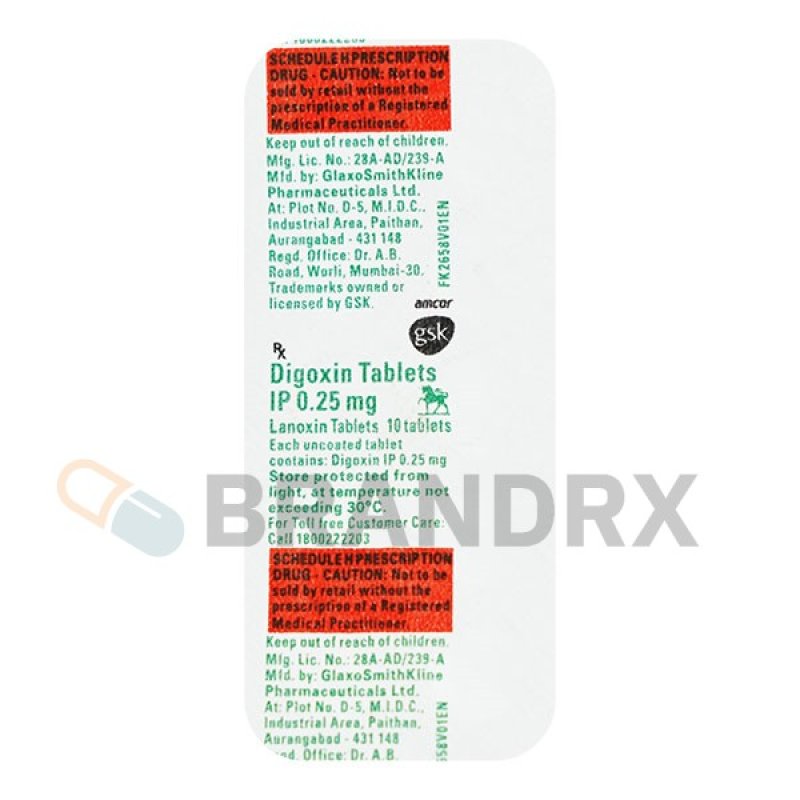

Understanding Lanoxin 0.25 mg Glaxosmithkline: Main Working Principles and Key Features
Lanoxin 0.25 mg Glaxosmithkline is a medication primarily used in the management of various heart conditions. The active ingredient in this formulation is digoxin, a powerful cardiac glycoside derived from the foxglove plant. Digoxin works by increasing the strength and efficiency of heart contractions, leading to improved blood flow and reduced symptoms in patients suffering from heart failure or certain arrhythmias.
The key feature of Lanoxin is its ability to enhance cardiac output by inhibiting the Na+/K+ ATPase enzyme in the cardiac muscle cells. This inhibition leads to an increase in intracellular calcium concentration, which strengthens the force of heart contraction. Additionally, Lanoxin 0.25 mg Glaxosmithkline has a modulatory effect on the electrical conduction system of the heart, helping to regulate heart rhythm, which is particularly beneficial for patients with atrial fibrillation.
Moreover, Lanoxin is characterized by its unique pharmacokinetics. It has a relatively long half-life, which means that it stays in the body for an extended period, allowing for once-daily dosing in many cases. This convenience makes it a preferred choice for long-term management of chronic heart conditions.
Forms of Release Available
Lanoxin 0.25 mg Glaxosmithkline is available primarily in the form of oral tablets, which are the most commonly prescribed form. These tablets are designed to be easy to swallow and ensure accurate dosing of digoxin. Depending on the specific treatment needs of the patient, healthcare providers may also prescribe other formulations, such as oral elixirs, which can be beneficial for patients who have difficulty swallowing tablets.
In addition to oral forms, digoxin can also be administered intravenously, which is typically reserved for acute care situations where rapid action is necessary, such as in cases of severe heart failure or rapid atrial fibrillation. This versatility in administration contributes to Lanoxin's widespread use in both outpatient and inpatient settings.
Comparative Advantages of Lanoxin 0.25 mg Glaxosmithkline
What sets Lanoxin 0.25 mg Glaxosmithkline apart from other heart medications is its dual action of enhancing cardiac contractility while also helping to control heart rhythm. Many heart medications either focus solely on improving heart function or controlling rate, but Lanoxin successfully combines these functions, making it a well-rounded choice for patients with multiple symptoms.
Another significant advantage is its effectiveness in patients who may not respond well to other treatments. For individuals who experience side effects from beta-blockers or ACE inhibitors, Lanoxin can often be utilized as a suitable alternative. Furthermore, due to its well-established history and extensive clinical experience, many healthcare professionals trust Lanoxin for long-term management of heart conditions.
The formulation of Lanoxin 0.25 mg Glaxosmithkline also allows for precise dosing, which is crucial for maintaining therapeutic levels while minimizing the risk of toxicity—a common concern with digoxin-based therapies. This careful balance is essential for patient safety and effective treatment outcomes.
Long-Term Use Considerations and Contraindications
While Lanoxin 0.25 mg Glaxosmithkline is effective for long-term management of heart conditions, several factors should be considered regarding its use. It is crucial for patients to have regular monitoring of their digoxin levels, renal function, and electrolyte balance, particularly potassium, to prevent potential toxicity. Symptoms of digoxin toxicity can include nausea, vomiting, changes in vision, and severe arrhythmias.
Contraindications for the use of Lanoxin include certain medical conditions such as ventricular fibrillation, certain types of heart block, and hypersensitivity to digoxin or other ingredients in the formulation. It is essential that pregnant women, children, and individuals with acute myocardial infarction or severe renal impairment consult with their healthcare provider before starting Lanoxin.
In terms of long-term prospects, research indicates that patients using Lanoxin as part of a comprehensive heart failure management program often report improved quality of life, reduced hospitalizations, and better overall outcomes. However, it is always recommended that patients discuss their treatment plans and any concerns with their healthcare provider.
Practical Advice for Using Lanoxin 0.25 mg Glaxosmithkline
For individuals considering or starting to use Lanoxin 0.25 mg Glaxosmithkline, several practical steps can enhance treatment efficacy and safety. First and foremost, always follow the dosage instructions provided by your healthcare provider. Missing doses or sudden changes in dosage can lead to adverse effects or diminished therapeutic outcomes.
It is also important to maintain regular check-ups with your healthcare provider to monitor your progress and adjust treatment as needed. This can include blood tests to measure digoxin levels and tests to ensure that your kidney function remains stable.
Taking Lanoxin at the same time each day can help create a routine, promoting adherence to the treatment schedule. Additionally, if you experience any side effects or new symptoms after starting Lanoxin, contact your healthcare provider immediately to discuss your concerns and potential adjustments to your regimen.
Finally, consider discussing any other medications or supplements you are taking, as drug interactions can affect how Lanoxin works. Overall, Lanoxin 0.25 mg Glaxosmithkline can be a powerful ally in managing heart conditions when used correctly and with appropriate medical oversight.
| Features | |
| Active substance | Digoxin |
| Also known as | Digitalis, Lanoxin |
| Blood pressure | Can lower blood pressure via improved heart function |
| Chemical name | 3ОІ-[(O-2,6-dideoxy-ОІ-D-ribo-hexopyranosyl-(1в†’4)-O-2,6-dideoxy-ОІ-D-ribo-hexopyranosyl-(1в†’4)-2,6-dideoxy-ОІ-D-ribo-hexopyranosyl)oxy]-12ОІ,14-dihydroxy-5ОІ-card-20(22)-enolide |
| Dosage (medical) | Typically 0.125 mg to 0.25 mg daily |
| Dosage (sports) | Not applicable |
| Effects | Increased cardiac output and improved heart efficiency |
| Formula | C41H64O14 |
| Half-life | 36 to 48 hours |
| Hepatotoxicity | Low risk |
| Lab Test | Plasma digoxin concentration measurement |
| Main action | Increases the force of myocardial contraction |
| Side effects | Nausea, dizziness, visual disturbances, and potentially serious cardiac arrhythmias |
| Storage conditions | Store at room temperature, away from light and moisture |
| Strength | 0.25mg |
| Substance class | Cardiac glycoside |
| Trade name | Lanoxin |
| Use in sports | Not typically used in sports due to its effects on heart rhythms and lack of performance enhancement |
| Water Retention | No significant effect |
| Manufacturer | GlaxoSmithKline |
| Packing | 10 tabs/blister |