
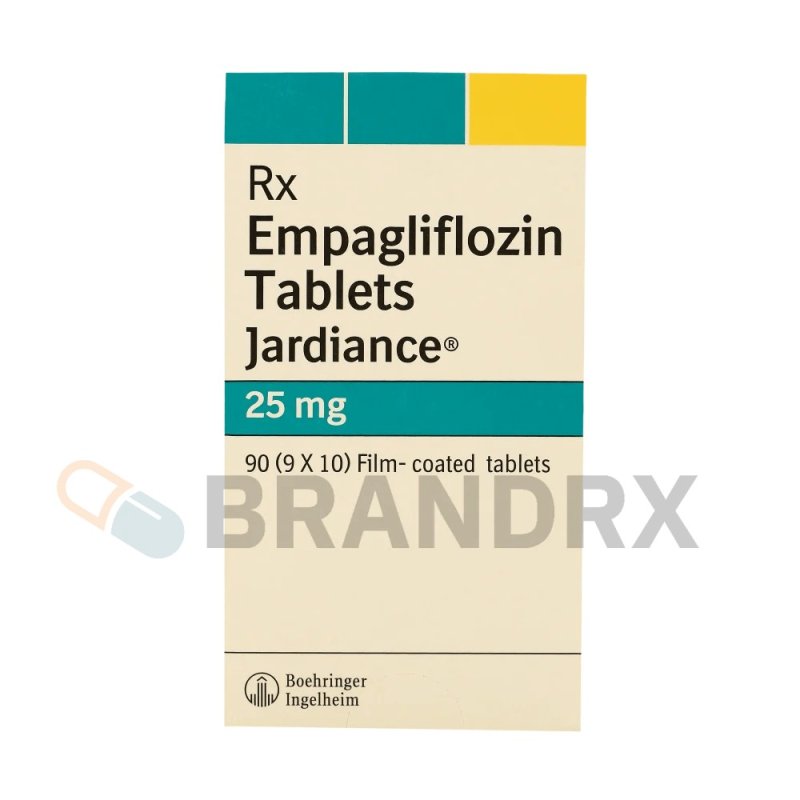
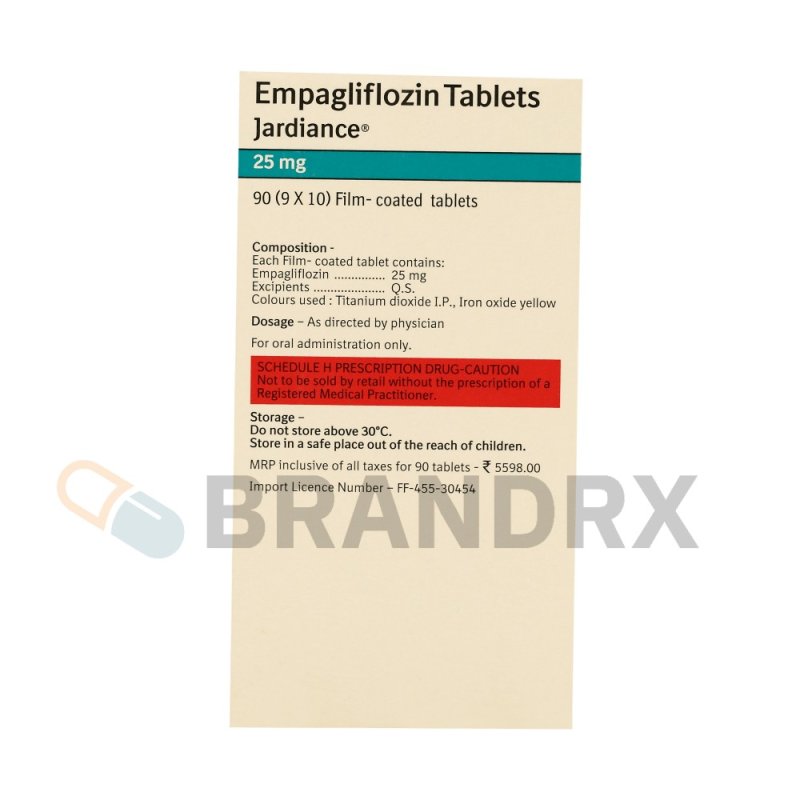
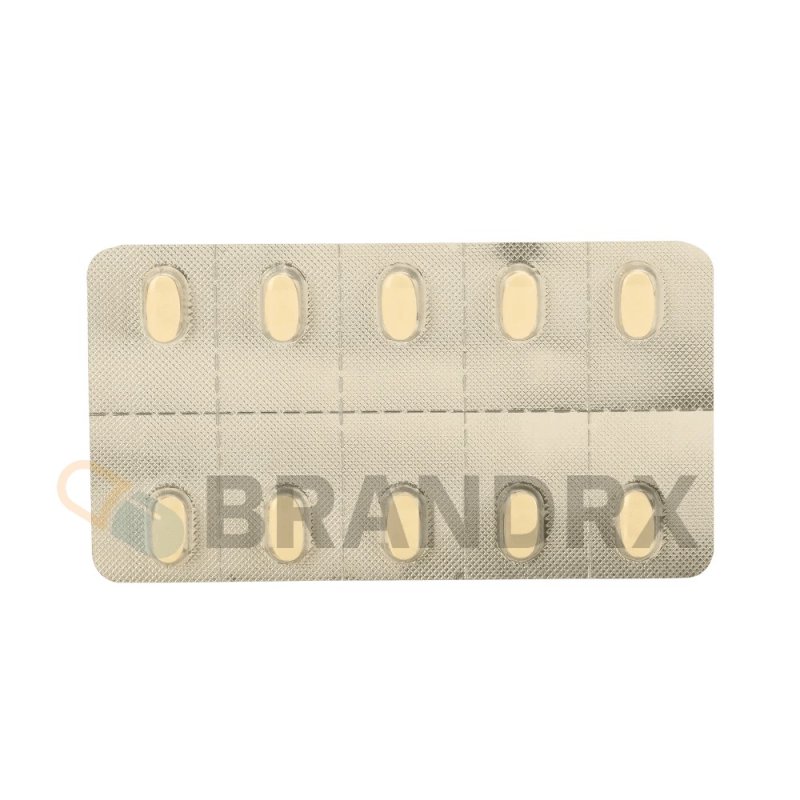
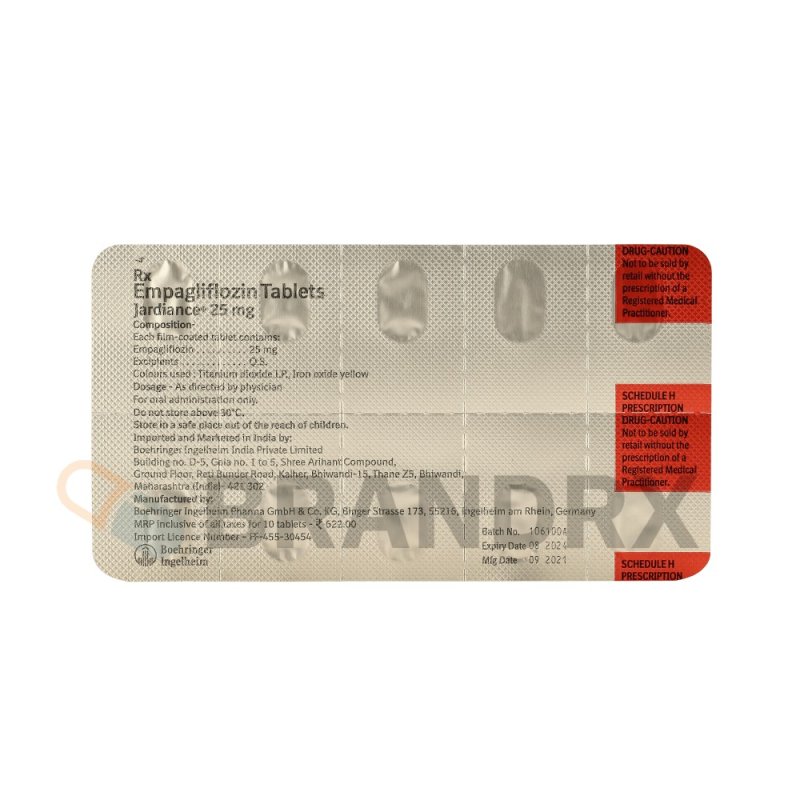
Understanding Jardiance 25 mg Boehringer Ingelheim: Mechanisms and Key Features
Jardiance 25 mg Boehringer Ingelheim is a prescription medication belonging to a class of drugs known as SGLT2 inhibitors. This innovative therapy is primarily utilized in the management of type 2 diabetes mellitus. The main working principle of Jardiance involves the inhibition of sodium-glucose co-transporter 2 (SGLT2) in the kidneys, which plays a crucial role in glucose reabsorption. By blocking this transporter, Jardiance promotes the excretion of excess glucose through urine, effectively lowering blood sugar levels. Consequently, this dual benefit not only aids in glycemic control but also contributes to weight loss, making it a suitable choice for many individuals battling type 2 diabetes.
In addition to its blood sugar-lowering effects, Jardiance has been associated with heart health benefits, showing promise in reducing the risk of cardiovascular events in patients with established cardiovascular disease. The drug has also been linked to the potential for renal protection, which can help in managing diabetic kidney disease. These multidimensional benefits make Jardiance 25 mg Boehringer Ingelheim a distinctive option in diabetes care.
Forms and Release Mechanisms
Jardiance is available in tablet form, which can be taken orally. The most common dosage strength is 25 mg, although it may be available in 10 mg as well. This flexibility allows healthcare providers to tailor the treatment to individual patient needs. The tablets are designed for easy ingestion, enabling patients to incorporate them into their daily routines without significant disruption. Jardiance is generally taken once daily, with or without food, which further enhances user compliance and convenience.
The formulation is designed for optimal absorption, ensuring that patients receive the intended therapeutic effects efficiently. The availability of different strengths provides further customization for patients, depending on their specific blood sugar control requirements and tolerability.
Why Choose Jardiance 25 mg Boehringer Ingelheim?
When considering treatment for type 2 diabetes, patients may wonder how Jardiance 25 mg Boehringer Ingelheim differs from other diabetes medications. One notable difference is its unique mechanism of action. Unlike traditional treatments such as metformin, which primarily work by enhancing insulin sensitivity, Jardiance focuses on renal glucose handling, providing an alternative for individuals who may not respond well to other classes of diabetes drugs.
Additionally, Jardiance's cardiovascular benefits set it apart from many diabetes medications. Studies have suggested that it may help reduce the risk of heart-related complications, which are often a concern for those with diabetes. This aspect may be particularly appealing for patients with existing cardiovascular conditions, as it offers dual treatment for both blood glucose levels and heart health.
Another point of differentiation is its potential for weight management. Patients often struggle with weight gain as a side effect of other diabetes medications; however, Jardiance is associated with weight loss, which can significantly improve a patient’s overall well-being and metabolic health. These factors make Jardiance 25 mg Boehringer Ingelheim a compelling option for those looking to manage their diabetes effectively.
Long-Term Effects and Contraindications
The long-term use of Jardiance 25 mg Boehringer Ingelheim can yield several benefits, including improved glycemic control, weight loss, and cardiovascular advantages. However, it is essential for users to understand that not every individual is suited for this medication. Contraindications exist that warrant careful consideration before starting treatment.
Patients with a history of severe renal impairment, end-stage renal disease, or those on dialysis should avoid using Jardiance, as its efficacy and safety in these populations have not been established. Additionally, pregnant or nursing women are advised to consult their healthcare provider, as the drug may pose risks in these situations. Children and adolescents under the age of 18 should not use Jardiance due to the lack of sufficient data regarding its safety and effectiveness in younger populations.
Furthermore, it's essential to be aware of the potential for side effects, including urinary tract infections and genital mycotic infections, which can occur due to increased glucose in the urine. Monitoring by healthcare professionals is crucial to manage any adverse effects effectively.
Practical Advice for Initiating Jardiance 25 mg Boehringer Ingelheim
Starting Jardiance 25 mg Boehringer Ingelheim requires thoughtful consideration and consultation with a healthcare provider. Patients should discuss their medical history and any concomitant medications to avoid potential interactions and ensure safety. It is advisable to undergo regular monitoring of blood glucose levels, as well as kidney function, especially during the initial treatment phase.
Incorporating lifestyle changes such as a balanced diet and regular exercise can further enhance the effectiveness of Jardiance in managing blood sugar levels. Patients are encouraged to adhere strictly to the prescribed regimen and report any unusual symptoms to their healthcare provider promptly.
It may also be beneficial to maintain a dialogue with healthcare professionals regarding any concerns or questions about the medication. Engaging in ongoing education surrounding diabetes management, including the potential benefits and risks associated with Jardiance, can empower patients to make informed decisions about their health. By taking these proactive steps, individuals can maximize the benefits of Jardiance 25 mg Boehringer Ingelheim while minimizing potential risks.
| Features | |
| Active substance | Empagliflozin |
| Also known as | Empa |
| Blood pressure | Can cause a modest reduction in blood pressure |
| Chemical name | (2S,3R,4R,5S,6R)-2-[4-chloro-3-(4-ethoxybenzyl)phenyl]-6-(hydroxymethyl)tetrahydro-2H-pyran-3,4,5-triol |
| Dosage (medical) | Typically 10 mg once daily, may be increased to 25 mg based on patient's condition and response |
| Dosage (sports) | Not applicable as it is not used for enhancing athletic performance |
| Effects | Lowers blood sugar levels, aids in weight loss, and reduces blood pressure and cardiovascular risks |
| Formula | C23H27ClO7 |
| Half-life | Approximately 12.4 hours |
| Hepatotoxicity | Low risk |
| Lab Test | Monitoring of renal function and blood glucose levels |
| Main action | Reduces blood glucose by inhibiting glucose reabsorption in the kidney |
| Side effects | Urinary tract infections, genital infections, increased urination, dehydration, hypotension |
| Storage conditions | Store at room temperature, away from moisture and heat |
| Strength | 25mg |
| Substance class | Sodium-glucose co-transporter 2 (SGLT2) inhibitor |
| Trade name | Jardiance |
| Use in sports | Not typically used in sports due to its mechanism focused on lowering blood glucose levels |
| Water Retention | Can lead to a reduction in overall body water content |
| Manufacturer | Boehringer Ingelheim Pvt. Ltd. |
| Packing | 10 tabs/blister |