
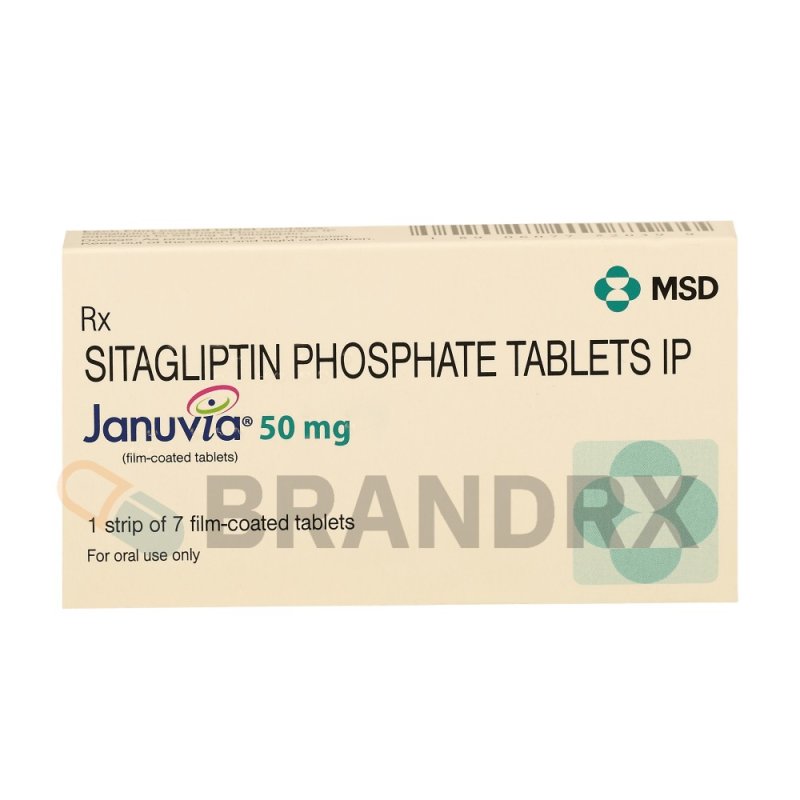
What Defines Januvia 50 mg MSD
Januvia 50 mg MSD is a prescription medication primarily used for the management of type 2 diabetes. Its active ingredient, sitagliptin, falls under the class of drugs known as DPP-4 inhibitors. These medications work by enhancing the body's own ability to lower blood sugar levels. The main working principle of Januvia involves increasing the levels of incretin hormones, which help regulate glucose metabolism by promoting insulin release in response to meals. This dual action not only reduces glucose production in the liver but also aids in the absorption of glucose in the intestines, leading to better overall glycemic control.
One of the key features of Januvia 50 mg MSD is its favorable safety profile and low risk of causing hypoglycemia, a common concern with diabetes medications. Additionally, it is an oral medication, making it a convenient choice for many patients who prefer to avoid insulin injections. Its efficacy in lowering HbA1c levels (a marker for long-term glucose control) has been consistently demonstrated in clinical trials, making it a trusted option for individuals seeking to manage their diabetes effectively.
Types and Forms of Release
Januvia is available in various forms, with the primary dosage being 50 mg tablets. This oral administration route makes it user-friendly, as patients can take the medication by mouth without the need for special preparations or injections. Januvia is also available in higher doses of 100 mg and lower doses of 25 mg, providing flexibility for healthcare providers to customize treatment based on individual patient needs. The tablets are typically taken once daily, which aligns well with many patients' lifestyles and helps ensure better adherence to the treatment regimen.
In terms of formulation, Januvia is designed to be stable at room temperature, which enhances its shelf life and makes it easier for patients to store at home. The simplicity of its dosage and the ease of administration contribute significantly to its popularity among diabetes medications.
Differences from Other Substances
What sets Januvia 50 mg MSD apart from other diabetes medications is its mechanism of action and minimal side effects. Unlike sulfonylureas, which stimulate the pancreas directly to produce more insulin, Januvia works by enhancing the incretin system, leading to a more physiological approach to blood sugar control. This can lower the risk of hypoglycemia, especially in patients who are prone to low blood sugar episodes.
Additionally, unlike metformin, which primarily works by decreasing liver glucose production and improving insulin sensitivity, Januvia adds a complementary effect by promoting insulin secretion and reducing glucagon levels after meals. This unique action makes it suitable for patients who may have contraindications to other classes of diabetes medications or who are looking for an adjunct to their current therapy. For individuals who have experienced side effects with traditional medications, Januvia offers a viable alternative with a good safety record.
Long-term Effects and Prospects of Use
When used as part of a comprehensive diabetes management plan, Januvia 50 mg MSD has shown promising long-term effects on glycemic control and may contribute to better overall health outcomes for patients with type 2 diabetes. Studies have indicated that long-term use can lead to sustained reductions in HbA1c levels and may even have beneficial effects on weight management.
However, it is essential to note that certain populations should avoid using Januvia. This includes pregnant women, as the effects on the fetus are not fully understood, and pediatric patients, as safety and efficacy in children have not been established. Patients with a history of hypersensitivity reactions to sitagliptin or those with severe renal impairment should also refrain from using this medication unless advised otherwise by a healthcare professional. Regular monitoring of kidney function is necessary for those taking Januvia to ensure it remains a safe treatment option.
Practical Advice on Choosing or Starting to Use Januvia 50 mg MSD
Choosing to start Januvia 50 mg MSD should always involve a thorough discussion with your healthcare provider regarding your unique health situation. Before initiating treatment, it is vital to evaluate your overall health, current medications, and any pre-existing conditions that may influence the use of sitagliptin.
Begin by discussing your diabetes management goals with your doctor, including considerations for blood sugar control, potential weight loss, and any side effects you may be concerned about. If you're transitioning from another diabetes medication, your healthcare provider may help facilitate a seamless change to Januvia while monitoring your glucose levels closely during the transition period.
Additionally, consistency in taking the medication as prescribed is crucial. Taking Januvia at the same time each day can aid in establishing a routine that fits your lifestyle. Always follow up with your healthcare provider for regular check-ups to monitor your progress and make any necessary adjustments to your treatment plan. This collaborative approach will not only help in effectively managing your diabetes but also in maximizing the benefits of Januvia 50 mg MSD in your daily life.
| Features | |
| Active substance | Sitagliptin |
| Also known as | 7-[(3R)-3-Amino-1-oxo-4-(2,4,5-trifluorophenyl)butyl]-5,6,7,8-tetrahydro-3-(trifluoromethyl)-1,2,4-triazolo[4,3-a]pyrazine phosphate (1:1) |
| Blood pressure | Generally has a neutral effect on blood pressure |
| Chemical name | Sitagliptin phosphate |
| Dosage (medical) | Typically 100 mg once daily |
| Dosage (sports) | Not applicable |
| Effects | Improves blood glucose control |
| Formula | C16H15F6N5O•H3PO4 |
| Half-life | Approximately 12.4 hours |
| Hepatotoxicity | Low risk |
| Lab Test | Monitoring of blood glucose and HbA1c levels |
| Main action | Increases insulin release and decreases glucagon levels in a glucose-dependent manner |
| Side effects | Nasopharyngitis, headache, upper respiratory tract infection, hypoglycemia (when used with other antidiabetics) |
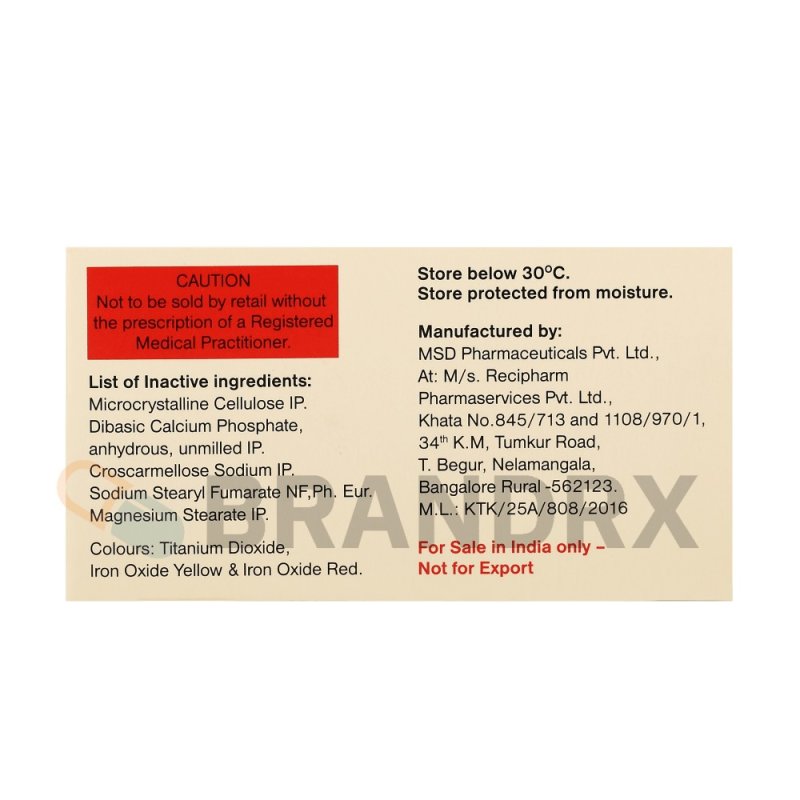
| Storage conditions | Store at room temperature, away from moisture and heat |
| Strength | 50mg |
| Substance class | Dipeptidyl peptidase-4 (DPP-4) inhibitor |
| Trade name | Januvia |
| Use in sports | Not typically used in sports |
| Water Retention | No significant effect |
| Manufacturer | MSD |
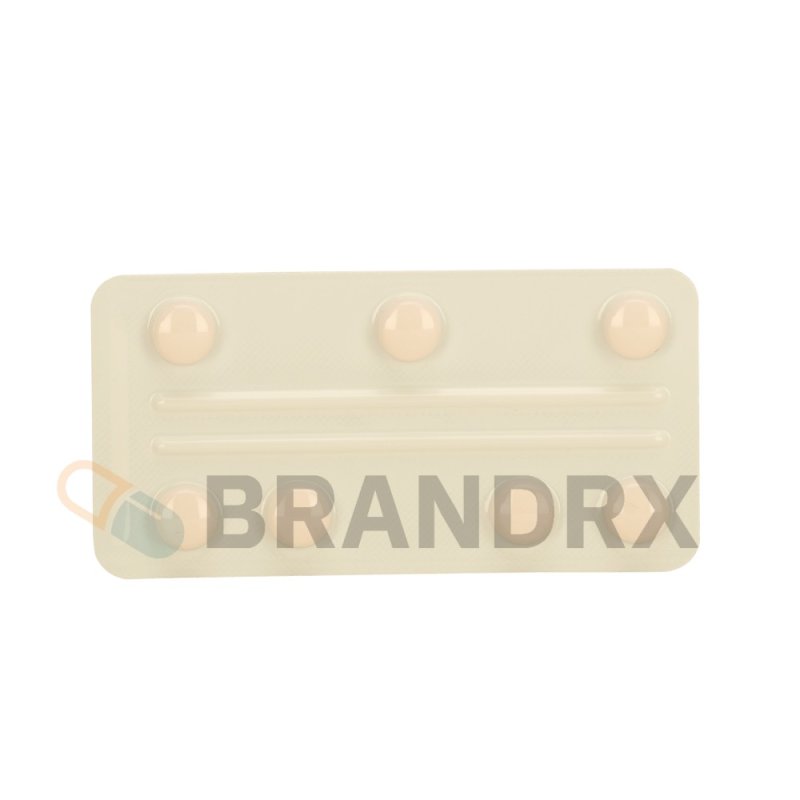
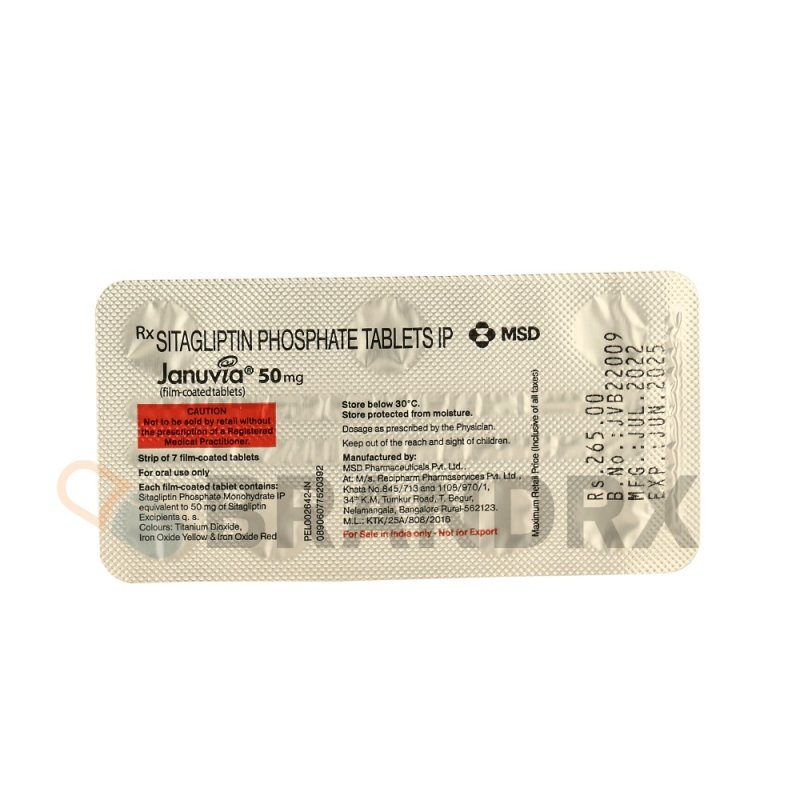
| Packing | 7 tabs/pack |