
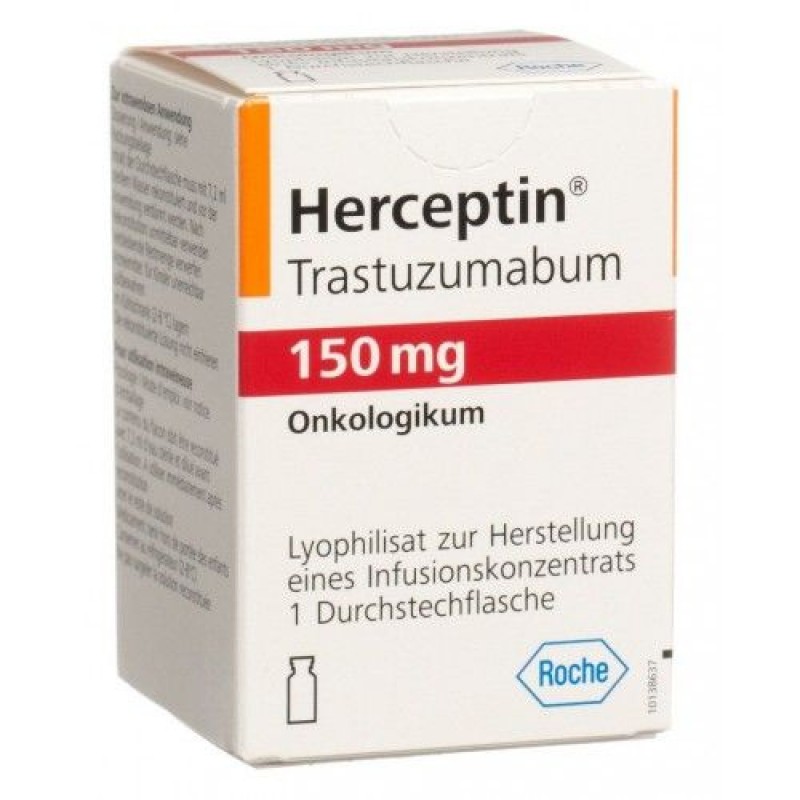
Present Herceptin 150 Roche and Explain Its Main Purpose
Herceptin 150 Roche is a prescription medication primarily indicated for the treatment of certain types of breast cancer and stomach cancers that overexpress the HER2 protein. This monoclonal antibody works by targeting the HER2/neu receptor, which is often found in excess on the surface of cancer cells in patients with HER2-positive tumors. By blocking the signaling pathway associated with this receptor, Herceptin 150 Roche helps to inhibit the growth and spread of cancerous cells.
The medication is typically administered after the diagnosis of HER2-positive breast cancer or gastric cancer, often utilized in conjunction with other chemotherapeutic agents to enhance treatment efficacy. Herceptin 150 Roche plays a vital role in both neoadjuvant therapy, which is given before surgery, and adjuvant therapy, which is administered after surgery to reduce the risk of cancer recurrence. Its introduction has significantly improved treatment outcomes for many patients, transforming HER2-positive cancer from an aggressive disease to a more manageable condition.
Describe Typical Users and Contexts Where This Medicament Is Applied
The typical users of Herceptin 150 Roche are patients diagnosed with HER2-positive breast cancer or gastric cancer. This medication is relevant for individuals who are at various stages of these cancers, including early-stage and metastatic disease. Healthcare providers often prescribe this treatment for post-operative patients to help prevent recurrence and for patients undergoing neoadjuvant therapy before surgical intervention.
Doctors usually consider factors such as the cancer’s stage, the patient's overall health status, and prior treatments when determining the appropriateness of Herceptin 150 Roche. It is frequently included in treatment regimens for patients who have a confirmed diagnosis through the appropriate testing conducted on tumor samples. The administration of this medication typically occurs in outpatient oncology settings, where patients receive regular infusions under the supervision of healthcare professionals.
Explain the Strengths and Distinguishing Characteristics of Herceptin 150 Roche Compared to Related Options
Herceptin 150 Roche possesses several strengths that distinguish it from related treatment options for HER2-positive cancers. One of its key characteristics is its targeted action; unlike traditional chemotherapy drugs that affect both cancerous and healthy cells, Herceptin is designed to specifically target HER2-overexpressing cells, minimizing damage to healthy tissues. This selective targeting often leads to a more favorable side effect profile compared to broader chemotherapy regimens.
Another distinguishable feature of Herceptin 150 Roche is its ability to be combined with other therapeutic agents, including chemotherapy and endocrine therapy, enhancing overall efficacy and treatment outcomes. The flexibility in treatment plans allows healthcare providers to tailor therapy to individual patient needs, facilitating better management of the disease. Moreover, extensive clinical trials have demonstrated the benefits of Herceptin in improving overall survival rates and reducing the risk of disease recurrence, which is a vital consideration in cancer therapy.
Provide a Balanced Overview of Herceptin 150 Roche Benefits
Herceptin 150 Roche has garnered a reputation for providing significant benefits to patients with HER2-positive cancers. Below is a numbered list highlighting the key advantages of this medication:
- Targeted Therapy: Provides a specific action against HER2-positive cancer cells, reducing the impact on healthy cells.
- Improved Survival Rates: Clinical studies have shown that Herceptin significantly increases overall survival compared to treatments without it.
- Reduced Risk of Recurrence: Administering Herceptin after surgery lowers the likelihood of the cancer returning.
- Combination Therapy: Can be effectively combined with various chemotherapy drugs, enhancing treatment outcomes.
- Well-Established Safety Profile: A comprehensive understanding of potential side effects allows healthcare providers to manage them effectively and optimize patient care.
These benefits highlight why Herceptin 150 Roche is a cornerstone of treatment for patients with HER2-positive cancers, supporting healthcare professionals in making informed treatment decisions.
Summarize Important Considerations Before Use, Including Contraindications for This Medicament
Before starting treatment with Herceptin 150 Roche, it is crucial for both patients and healthcare providers to consider several important factors. First, a thorough evaluation of the patient’s medical history and current health status is essential to identify any contraindications. Individuals with a known hypersensitivity to trastuzumab or any component of the product should not use Herceptin 150 Roche. Additionally, caution is advised for patients with a history of heart problems, as the medication can sometimes lead to cardiotoxicity, manifesting as heart failure or reduced cardiac function.
Regular monitoring of heart function through echocardiograms may be recommended throughout the treatment period, particularly in patients who have pre-existing cardiovascular conditions. Other potential side effects, such as infusion reactions or lung complications, should also be taken into account when planning treatment. Comprehensive discussions about the risks and benefits of Herceptin 150 Roche are encouraged to ensure that patients are fully informed prior to initiating therapy.
| Features | |
| Acne | No |
| Active substance | Trastuzumab |
| Also known as | rhuMAb HER2 |
| Aromatization | No |
| Blood pressure | Can cause hypertension |
| Chemical name | Trastuzumab |
| Dosage (medical) | Typically 4 mg/kg as a loading dose followed by 2 mg/kg weekly or 6 mg/kg every three weeks |
| Dosage (sports) | Not applicable |
| Effects | Reduction in tumor growth, improved survival in breast cancer patients |
| Formula | C6484H9996N1720O2014S44 |
| Half-life | Approximately 28 days |
| HBR | No |
| Hepatotoxicity | No |
| Lab Test | HER2 testing (immunohistochemistry or fluorescence in situ hybridization) |
| Main action | HER2/neu receptor antagonist |
| Side effects | Fever, nausea, vomiting, infusion reactions, cardiotoxicity |
| Storage conditions | Store refrigerated at 2-8В°C (36-46В°F) |
| Substance class | Monoclonal antibody |
| Trade name | Herceptin |
| Use in sports | None |
| WAREHOUSE | International Warehouse 2 |
| Water Retention | No |
| Manufacturer | Roche |