
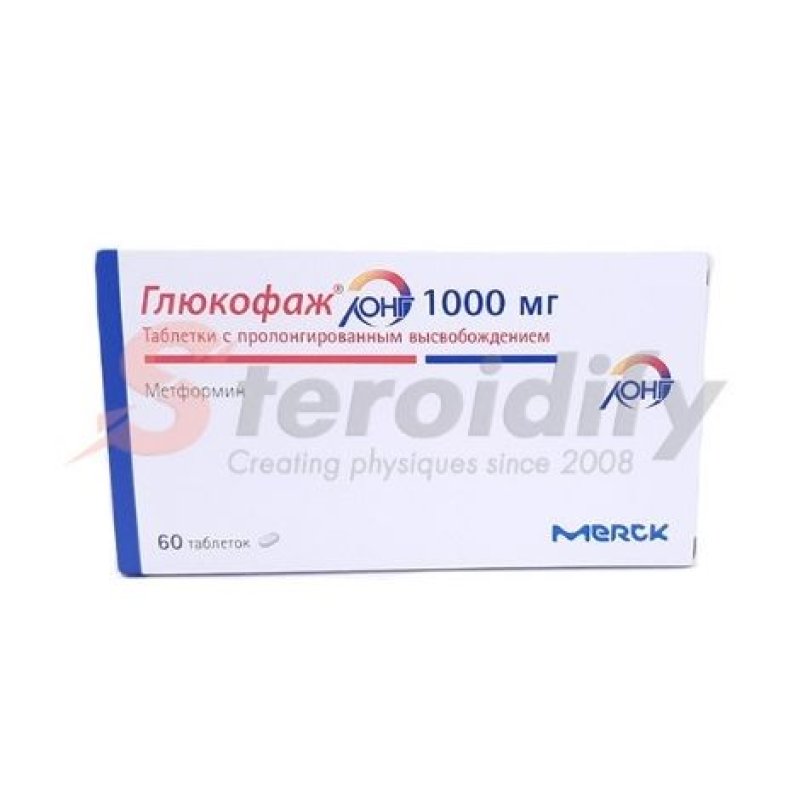
Understanding Glucophage LONG 1000 Merck
Glucophage LONG 1000 Merck is a prescription medication primarily used in the management of type 2 diabetes. Its active ingredient, Metformin, plays a crucial role in controlling blood sugar levels. Unlike other diabetic medications, Glucophage LONG 1000 Merck works by decreasing hepatic glucose production, increasing insulin sensitivity, and enhancing peripheral glucose uptake. This multifaceted approach not only helps to lower blood sugar but also may aid in weight management, making it a preferred choice for many patients.
One of the key characteristics of Glucophage LONG 1000 Merck is its extended-release formulation. This allows for a gradual release of Metformin into the bloodstream, providing a more stable control of blood sugar levels and minimizing gastrointestinal side effects, which are commonly associated with immediate-release formulations. The 1000 mg dosage is designed to meet the needs of patients requiring significant glycemic control without compromising on tolerance.
Available Formats of Glucophage LONG 1000 Merck
Glucophage LONG 1000 Merck is available primarily in a tablet form, specifically designed as an extended-release tablet. This formulation is intended to be consumed once a day, making it user-friendly and convenient for individuals with busy lifestyles. The gradual release of the medication into the bloodstream ensures a steady effect that aligns with daily activities, enhancing the adherence to the treatment regimen.
While Glucophage LONG 1000 Merck is a popular choice, it is essential to remember that there are also different dosages and forms of Metformin available on the market, including immediate-release tablets and solutions. However, the extended-release version is favored for its optimized dosing schedule and minimal gastrointestinal discomfort.
Why Choose Glucophage LONG 1000 Merck?
When comparing Glucophage LONG 1000 Merck to other diabetes medications, several key differences emerge. First and foremost, its mechanism of action is distinct; many other diabetes medications may only focus on insulin secretion or resistance. In contrast, Glucophage LONG 1000 Merck's ability to target multiple aspects of blood sugar control makes it a comprehensive solution for many patients.
Moreover, the extended-release nature of Glucophage LONG 1000 Merck can result in improved patient comfort and adherence, a critical factor in diabetes management. Additionally, it has been associated with a lower risk of hypoglycemia compared to other oral diabetes medications, making it a safer option for individuals prone to low blood sugar episodes.
Long-Term Effects and Considerations
The long-term use of Glucophage LONG 1000 Merck has demonstrated positive outcomes in glycemic control and weight management for patients with type 2 diabetes. However, it is vital to be aware of potential contraindications. This medication may not be suitable for individuals with specific medical conditions such as severe renal impairment, acute or chronic metabolic acidosis, or those who are pregnant or breastfeeding. Patients with a history of severe liver disease or those planning to undergo certain surgical procedures may also need to avoid this medication.
It is crucial for individuals considering Glucophage LONG 1000 Merck to consult their healthcare provider to assess its appropriateness in relation to their overall health profile and any existing medical conditions. Regular monitoring and follow-ups can help to ensure optimal results while minimizing the risk of adverse effects.
Practical Advice for Using Glucophage LONG 1000 Merck
To effectively incorporate Glucophage LONG 1000 Merck into your diabetes management plan, it is essential to follow your healthcare provider’s instructions on dosage and administration. Typically, the medication should be taken once daily with food to enhance absorption and reduce gastrointestinal side effects.
Start with the recommended dose and avoid making any changes without consultation from your healthcare provider. Regular blood sugar monitoring is advised to track your response to the medication and make necessary adjustments. Additionally, maintaining a balanced diet, engaging in physical activity, and adhering to your overall diabetes management plan will enhance the effectiveness of Glucophage LONG 1000 Merck.
Educating yourself about potential side effects, such as gastrointestinal upset, can prepare you for any initial adjustments as your body gets used to the medication. Long-term success with Glucophage LONG 1000 Merck requires a comprehensive and proactive approach, making informed choices every step of the way in managing your diabetes.
| Features | |
| Active substance | Metformin Hydrochloride |
| Also known as | Metformin HCL |
| Blood pressure | Can lead to a slight reduction in blood pressure |
| Chemical name | Metformin hydrochloride |
| Dosage (medical) | Typically starting at 500 mg twice a day or 850 mg once a day, up to a maximum of 2000-2550 mg per day depending on the patient's response and tolerance |
| Dosage (sports) | Not typically prescribed for sports enhancement |
| Effects | Reduces hepatic glucose production, decreases intestinal absorption of glucose, and improves insulin sensitivity by increasing peripheral glucose uptake and utilization |
| FORM | 60 tabs x 1000 mg/tab |
| Formula | C4H11N5В·HCl |
| Half-life | Approximately 6.2 hours |
| Hepatotoxicity | Low risk |
| Lab Test | Monitoring of renal function and serum electrolytes recommended |
| Main action | Antihyperglycemic agent |
| Side effects | Gastrointestinal disturbances (such as diarrhea, nausea, vomiting), vitamin B12 deficiency, lactic acidosis (rare but serious) |
| Storage conditions | Store at room temperature, away from moisture and light |
| Substance class | Biguanide |
| Trade name | Glucophage, Glumetza, others |
| Use in sports | Not commonly used as a performance enhancer, but some athletes might use it for weight management |
| Water Retention | Does not cause significant water retention |
| Manufacturer | MERCK |