
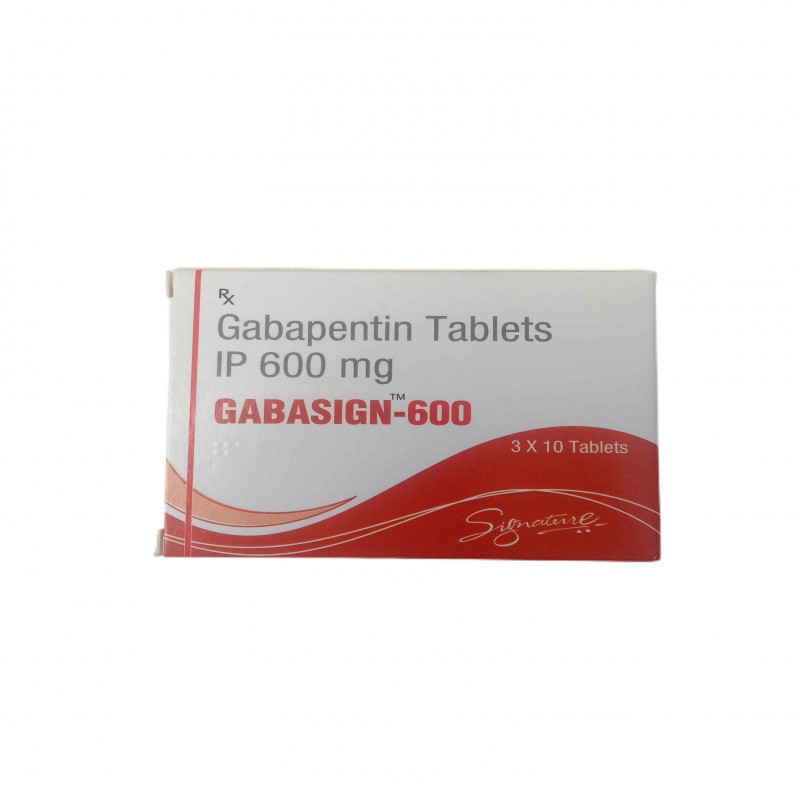
What Defines Gabasign 600 mg Signature Pharmaceuticals Ltd.
Gabasign 600 mg Signature Pharmaceuticals Ltd. is a pharmaceutical innovation designed to enhance the quality of life for individuals experiencing conditions that require significant neurological intervention. This product primarily contains gabapentin, which is known for its effectiveness in managing neuropathic pain and controlling types of seizure disorders. The core principle behind Gabasign is its ability to modulate neurotransmitter release, effectively dampening excessive neuronal activity that can cause pain and discomfort.
Key features of Gabasign include its formulation, which enables sustained release of the active ingredient, providing long-lasting relief from symptoms. Users can expect not only to manage symptoms more effectively but also to enjoy a broader range of daily activities without the constant interruption of pain. Furthermore, the medication's design allows for improved patient adherence, as the dosages are easy to manage, which is particularly beneficial for those with complicated medication schedules.
Main Types or Forms of Release
In the market, Gabasign 600 mg is primarily available in tablet form, designed for oral administration. This straightforward delivery method ensures user-friendliness, allowing patients to take the medication with or without food. The tablets are ideally scored, enabling individuals to split doses when prescribed by healthcare providers, which can be particularly beneficial for those who are just initiating treatment or require adjustments in their dosages over time.
Additionally, the formulation may be coupled with an extended-release option, depending on the needs of the patient as assessed by their healthcare professional. This flexibility in dosage form accommodates varying patient preferences and therapeutic requirements, making Gabasign a versatile choice in pain and seizure management.
Why Choose Gabasign 600 mg Signature Pharmaceuticals Ltd. Over Other Substances
One of the main advantages of Gabasign 600 mg Signature Pharmaceuticals Ltd. is its unique mechanism of action, which sets it apart from other medications commonly prescribed for similar ailments. Unlike traditional pain relievers or anti-inflammatory medications that primarily address symptoms, Gabasign targets the underlying neurological pathways responsible for pain transmission. This approach allows it to provide relief that may not be achievable through conventional therapies.
Moreover, the side effect profile of Gabasign is generally more favorable when compared to other options. Many users report a milder set of side effects, which can include dizziness or fatigue, compared to the gastrointestinal issues or dependency concerns posed by more traditional pain medications like opioids. This consideration can significantly impact the choice of treatment, particularly for individuals seeking effective relief without the associated risks of more potent pharmaceuticals.
Long-Term Effects and Considerations for Use
While Gabasign 600 mg has shown promising results in managing symptoms effectively, it is essential to recognize the potential for long-term use implications and contraindications. Patients considering Gabasign should consult their healthcare provider, especially individuals who are pregnant, nursing, or have known allergies to gabapentinoids. This medication may not be suitable for children or individuals with severe kidney impairment, as these populations may experience adverse effects or insufficient metabolic clearance of the drug.
Long-term users of Gabasign may experience sustained relief from symptoms, contributing to an enhanced quality of life. However, it is important to have regular follow-ups with healthcare providers to monitor efficacy and any emerging side effects, ensuring the treatment remains safe and effective over time.
Practical Advice for Selecting and Using Gabasign 600 mg Signature Pharmaceuticals Ltd.
When selecting Gabasign 600 mg Signature Pharmaceuticals Ltd., it is crucial for users to adhere closely to their healthcare provider's guidance. An initial consultation should include a thorough discussion of medical history, existing conditions, and a comprehensive evaluation of current medications to avoid potential drug interactions.
Starting with the recommended dose and gradually increasing as advised can help in managing side effects effectively. Maintaining open communication with healthcare providers will assist in finding the most effective dosage for personal needs. Additionally, keeping a diary of symptoms and side effects can provide valuable insights when discussing treatment progress during follow-up visits. With careful management and proper use, Gabasign can significantly improve one’s daily functioning and overall well-being.
| Features | |
| Active substance | Gabapentin |
| Also known as | Neurontin, Gabarone |
| Blood pressure | Generally has no significant effect on blood pressure |
| Chemical name | 1-(aminomethyl)cyclohexaneacetic acid |
| Classification | Anticonvulsants |
| Dosage (medical) | Typically starts at 300 mg on the first day, 300 mg twice on the second day, and 300 mg three times on the third day, up to a maximum of 3600 mg per day, divided into three doses |
| Dosage (sports) | Not typically used in sports |
| Effects | Reduces neuropathic pain, controls seizures |
| Formula | C9H17NO2 |
| Half-life | 5 to 7 hours |
| Hepatotoxicity | Low risk |
| Lab Test | Not specified |
| Main action | Anticonvulsant and analgesic |
| Side effects | Dizziness, fatigue, drowsiness, fluid retention, difficulties with memory |
| Storage conditions | Store at room temperature away from moisture and heat |
| Substance class | Gabapentinoid |
| Trade name | Neurontin, Gralise, others |
| Use in sports | Not commonly used in sports settings |
| WAREHOUSE | International Warehouse 1 |
| Water Retention | Yes, can cause peripheral edema |
| Manufacturer | Signature |