
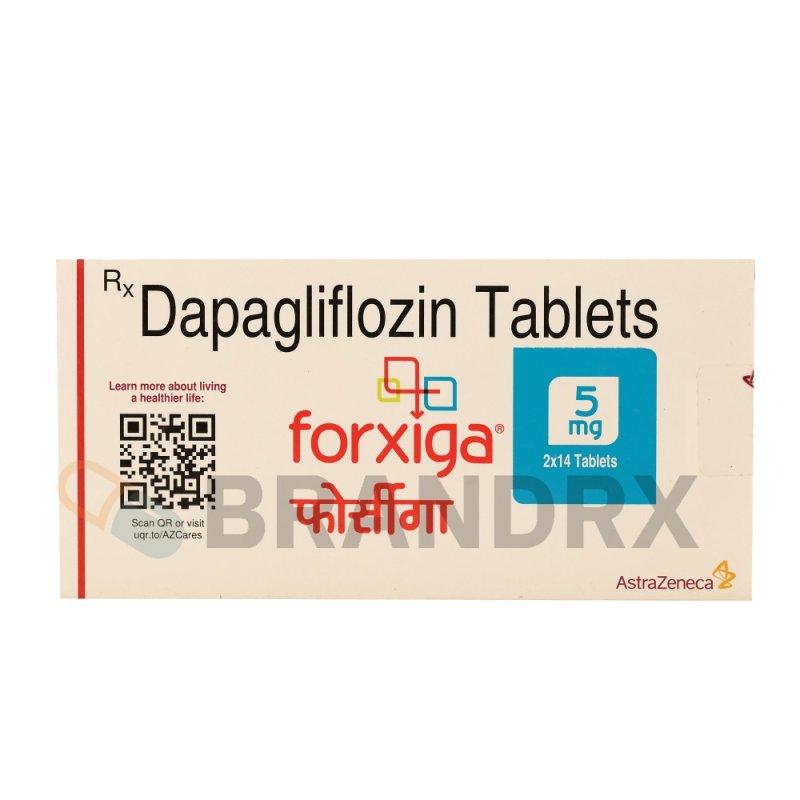


Understanding Forxiga 5 mg AstraZeneca
Forxiga 5 mg AstraZeneca is an innovative medication primarily used for the management of type 2 diabetes. It belongs to a class of drugs known as SGLT2 inhibitors, which work by preventing the reabsorption of glucose in the kidneys, leading to increased glucose elimination through urine. This mechanism results in lower blood sugar levels and can aid in weight loss, making it a valuable option for individuals struggling with diabetes and its associated complications. In addition to its glucose-lowering effects, Forxiga has also shown benefits in cardiovascular health, reducing the risk of heart failure in diabetic patients. Its once-daily dosing regimen enhances patient adherence, making it easier for individuals to integrate into their daily routine.
Forms and Availability
Forxiga is available in various strengths, but the 5 mg dosage is particularly popular due to its efficacy and tolerability. The medication is presented in tablet form, designed for oral administration. This form makes it convenient for patients, allowing for easy integration into their daily medication schedule. It is essential to follow prescription guidelines carefully, as the medication's effectiveness can be impacted by adherence to dosage instructions. While Forxiga comes in multiple strengths, the 5 mg variant is often recommended for initiating treatment, especially for those who may be sensitive to the effects of medications or are new to diabetes management.
Why Choose Forxiga 5 mg AstraZeneca?
Forxiga 5 mg AstraZeneca stands out among diabetes medications due to its unique mechanism of action compared to traditional therapies. Unlike many other diabetes medications that primarily focus on insulin sensitivity or secretion, Forxiga acts by reducing glucose levels via enhanced urinary glucose excretion. This provides a dual benefit of lowering blood sugar levels while also contributing to weight loss, a significant advantage for overweight patients. Moreover, clinical studies have indicated that Forxiga may offer cardiovascular and renal protective benefits, which are crucial for diabetic patients at risk of heart disease and kidney complications. Users should consider Forxiga especially if they are looking for a medication that addresses multiple aspects of diabetes management effectively.
Long-Term Use and Considerations
When considering the long-term use of Forxiga 5 mg AstraZeneca, it is essential to be aware of certain contraindications. The medication is not recommended for individuals who are pregnant, breastfeeding, or have a history of severe renal impairment. Additionally, patients with significant hypoglycemia risk or those taking medications that could exacerbate kidney function should consult their healthcare provider before initiating treatment. While many users report positive outcomes with Forxiga, close monitoring by a healthcare professional is advised to manage any potential side effects and ensure the medication remains effective over time. Understanding these considerations can help patients make informed decisions about their diabetes management plan.
Starting with Forxiga 5 mg AstraZeneca
When initiating treatment with Forxiga 5 mg AstraZeneca, it is important to consult with a healthcare provider who can assess individual health conditions and determine the appropriateness of this medication. Patients should start with the prescribed dosage and be aware of how to monitor their blood sugar levels regularly. It may also be beneficial to maintain a balanced diet and engage in regular physical activity to enhance the effectiveness of the treatment. Educating oneself about potential side effects, such as urinary tract infections or dehydration, can also prepare patients for any adverse reactions. Overall, starting Forxiga should be approached with thorough understanding and professional guidance, ensuring the best outcomes in managing type 2 diabetes.
| Features | |
| Active substance | Dapagliflozin |
| Also known as | BMS-512148 |
| Blood pressure | Can modestly reduce blood pressure |
| Chemical name | (2S,3R,4R,5S,6R)-2-(4-chloro-3-(4-ethoxybenzyl)phenyl)-6-(hydroxymethyl)tetrahydro-2H-pyran-3,4,5-triol |
| Dosage (medical) | Typically 10 mg once daily |
| Dosage (sports) | Not applicable |
| Effects | Lowers blood sugar, aids in weight loss |
| Formula | C21H25ClO6 |
| Half-life | Approximately 12.9 hours |
| Hepatotoxicity | No significant hepatic toxicity reported |
| Lab Test | Monitoring blood glucose levels and renal function tests are recommended |
| Main action | Reduces blood glucose by inhibiting sodium-glucose transport protein 2 in the kidneys |
| Side effects | Risk of genital infections, urinary tract infections, possible dehydration, rare cases of diabetic ketoacidosis |
| Storage conditions | Store at room temperature, away from moisture and heat |
| Strength | 5mg |
| Substance class | SGLT2 inhibitor |
| Trade name | Farxiga, Xigduo XR (combination with metformin) |
| Use in sports | Not typically used in sports |
| Water Retention | Can cause some diuresis, generally does not cause significant water retention |
| Manufacturer | AstraZeneca Pharma Ltd. |
| Packing | 14 tabs/blister |