
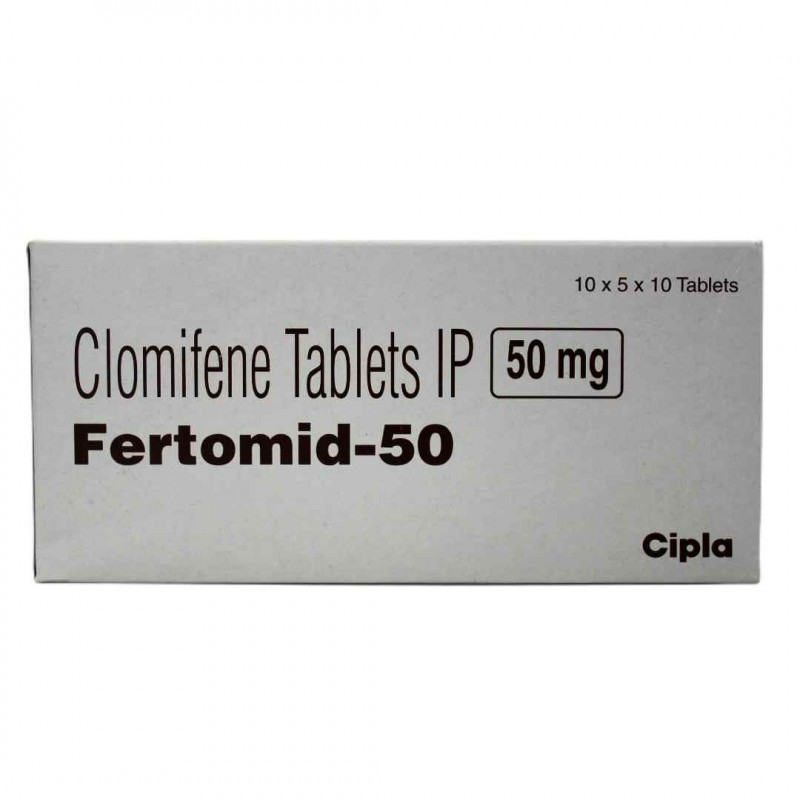
Understanding Fertomid 50 mg Cipla: Key Features and Working Principles
Fertomid 50 mg Cipla is a medication primarily used to treat infertility in women who are not ovulating properly. It contains clomiphene citrate as the active ingredient, which acts by stimulating the ovaries to produce eggs. The medication functions by blocking estrogen receptors in the hypothalamus, leading to an increase in the levels of gonadotropins — hormones that play a crucial role in ovarian function. Specifically, this stimulation promotes follicular development and ovulation, making it an essential option for women struggling with ovulatory issues.
Key features of Fertomid 50 mg include its ability to induce ovulation, particularly in women with polycystic ovary syndrome (PCOS) or other hormonal imbalances. The medication is generally prescribed after other ovulation induction methods have been considered or attempted. In addition to its primary function, Fertomid also helps regulate menstrual cycles, making it beneficial for overall reproductive health. With a well-established track record, Fertomid 50 mg Cipla is highly regarded in reproductive medicine for its effectiveness and safety profile.
Forms and Types of Release for Fertomid 50 mg
Fertomid 50 mg Cipla is primarily available in tablet form, making it convenient for oral consumption. Each tablet typically contains 50 mg of clomiphene citrate, which is the standard dose for initiating ovulation induction treatments. The medication is usually prescribed in cycles, often starting with one tablet taken daily for five consecutive days during the early part of a woman’s menstrual cycle. Depending on individual response, the dosage may be adjusted, but healthcare providers generally recommend not exceeding the standard course.
Unlike some other fertility treatments that may require injections or complex administration, the simplicity of taking a pill makes Fertomid 50 mg accessible for many women. This ease of use contributes to higher compliance rates and allows for treatment in the comfort of one’s home. While clomiphene citrate is the primary ingredient, it is essential to follow the prescribed regimen tailored to each individual's needs to optimize results.
Why Choose Fertomid 50 mg Cipla Over Other Options?
Fertomid 50 mg Cipla stands out among other fertility medications due to its unique mechanism of action and effectiveness in promoting ovulation. Unlike hormonal treatments that may involve direct hormone replacement or injections, Fertomid works by stimulating the body’s natural hormonal processes. This leads to a more natural approach to inducing ovulation, which is often preferred by many women seeking a less invasive treatment option.
Furthermore, Fertomid has a solid foundation of research backing its use and efficacy. Many studies have demonstrated its success rate in inducing ovulation and achieving pregnancy, providing users with confidence in its effectiveness. Additionally, while some fertility medications carry risks of ovarian hyperstimulation syndrome (OHSS) or multiple pregnancies, Fertomid's risk profile is generally lower when used as directed. This makes Fertomid 50 mg Cipla a compelling alternative for women facing ovulatory issues.
Long-Term Effects, Contraindications, and Precautions
The long-term effects of using Fertomid 50 mg Cipla can vary among individuals. While many users experience successful ovulation and subsequent pregnancy, it is crucial to monitor response with the assistance of a healthcare professional. As with any medication, there are contraindications and certain populations for whom Fertomid may not be suitable. For instance, it is generally not recommended for pregnant women or those who are breastfeeding due to potential risks to the fetus or infant.
Furthermore, individuals with specific medical conditions, such as liver disease, uncontrolled adrenal gland disorders, or pituitary tumors, should avoid using this medication. Women's health providers should conduct thorough evaluations before prescribing Fertomid 50 mg to ensure it is appropriate for the individual’s health status. As with any fertility treatment, potential side effects may include hot flashes, mood swings, and the possibility of multiple pregnancies, which necessitates careful monitoring throughout the treatment process.
Practical Advice for Choosing and Using Fertomid 50 mg Cipla
When considering Fertomid 50 mg Cipla, it is essential to consult with a healthcare provider specializing in fertility to determine the best course of action tailored to your specific circumstances. Starting with a comprehensive evaluation of your menstrual history, hormone levels, and general reproductive health will guide the provider in prescribing the most suitable treatment plan.
Follow the prescribed dosage closely, and do not exceed the recommended course unless advised by your doctor. It is also beneficial to maintain an open line of communication with your healthcare provider throughout the treatment cycle, discussing any side effects or concerns that may arise. Additionally, combining Fertomid with healthy lifestyle choices, such as maintaining a balanced diet and managing stress, can significantly enhance the chances of successful ovulation and pregnancy.
In summary, Fertomid 50 mg Cipla offers a viable and effective option for women experiencing ovulatory difficulties. By understanding its features, types of release, and the unique benefits it offers, individuals can navigate their fertility journey with greater confidence and clarity.
| Features | |
| Active substance | Clomiphene Citrate |
| Also known as | Clomifene Citrate, Clomid, Serophene |
| Blood pressure | Generally does not affect blood pressure significantly |
| Chemical name | 2-[4-(2-chloro-1,2-diphenylethenyl)phenoxy]-N,N-diethylethanamine citrate |
| Classification | Selective Estrogen Receptor Modulator |
| Dosage (medical) | Typically, 50 mg daily for 5 days at the beginning of the menstrual cycle |
| Dosage (sports) | Commonly 25-50 mg per day during or at the end of a steroid cycle |
| Effects | Induces ovulation, increases gonadotropin levels, raises serum testosterone levels |
| Formula | C26H28ClNOв€™C6H8O7 |
| Half-life | 5-7 days |
| Hepatotoxicity | Low, rare hepatic metabolism related side effects |
| Lab Test | Can be detected in blood tests |
| Main action | Induces ovulation by inhibiting negative feedback on the hypothalamus, increasing release of pituitary gonadotropins |
| Side effects | Hot flashes, abdominal discomfort, visual disturbances, nausea, and headaches |
| Storage conditions | Store at room temperature away from moisture and heat |
| Substance class | Selective Estrogen Receptor Modulator (SERM) |
| Trade name | Clomid, Serophene |
| Use in sports | Used to restore the natural production of testosterone and minimize the effects of estrogen in the body after the use of anabolic steroids |
| WAREHOUSE | International Warehouse 1 |
| Water Retention | No significant water retention |
| Manufacturer | Cipla |