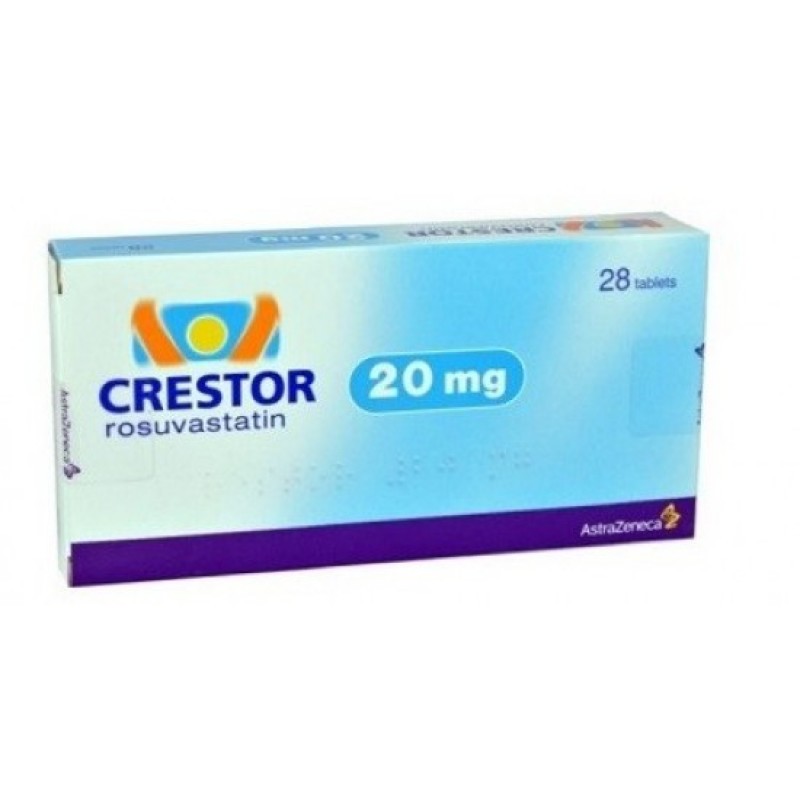
Crestor 20 AstraZeneca: Understanding Its Role in the Market and Consumer Life
Crestor 20 AstraZeneca is a well-known medication primarily used to help manage cholesterol levels in patients at risk of cardiovascular diseases. As an effective statin, it plays a significant role in the treatment of hyperlipidemia and is frequently prescribed to patients to lower low-density lipoprotein (LDL) cholesterol and triglycerides while increasing high-density lipoprotein (HDL) cholesterol. Given the pervasive issues of heart disease due to high cholesterol and related conditions in the United States, Crestor 20 emerges as an essential component in preventative healthcare strategies. This powerful medication not only serves individuals seeking to improve their heart health, but it also supports healthcare providers in crafting personalized treatment plans to mitigate risks associated with high cholesterol and heart disease.
The impact of Crestor 20 AstraZeneca extends beyond pharmacology; it has established itself within consumer life as a symbol of proactive health management. In a society increasingly focused on wellness, this medication underlines the importance of maintaining healthy cholesterol levels, aligning with broader trends promoting healthy lifestyles and regular health check-ups. Thus, understanding Crestor 20 AstraZeneca is crucial for both consumers and healthcare professionals to engage effectively in managing cardiovascular health.
Key Characteristics and Fundamental Principles of Crestor
Crestor 20 AstraZeneca operates on well-established principles of cholesterol management. It primarily inhibits a specific enzyme in the liver (HMG-CoA reductase) responsible for cholesterol production, effectively reducing overall cholesterol levels. This mechanism supports patients on their journey to better heart health, but it is essential to understand the drug's key characteristics and associated constraints.
Some important characteristics to consider include:
1. Mechanism of Action: Crestor works by lowering LDL cholesterol levels and slightly raising HDL cholesterol levels.
2. Dosing Flexibility: Available in different concentrations, the 20 mg formulation allows for dosage adjustments customized to the patient's specific needs.
3. Clinical Efficacy: Clinical trials have demonstrated significant reductions in cardiovascular events among patients treated with Crestor.
However, Crestor 20 AstraZeneca may not be suitable for everyone. The following groups should exercise caution or avoid its use altogether:
1. Pregnant women: Statins, including Crestor, can cause harm to a developing fetus.
2. Breastfeeding mothers: The safety of Crestor during breastfeeding has not been established.
3. Children under the age of 10: The safety and efficacy in younger populations have not been thoroughly investigated.
4. Individuals with active liver disease: Those with liver problems may experience exacerbated conditions when taking Crestor.
5. Patients with known hypersensitivity: Those allergic to rosuvastatin or any component in the formulation should avoid its use.
Recognizing these contraindications is vital for ensuring safe and effective treatment while also minimizing potential adverse effects.
Modern Trends and Development of Crestor in the Market
In recent years, the landscape of cholesterol management has evolved, aligning with technological advancements and emerging consumer health behaviors. The introduction of Crestor 20 AstraZeneca has coincided with a growing awareness regarding cholesterol levels and cardiovascular health in the population. As consumers become increasingly health-conscious, they actively seek medications that not only offer efficacy but also embody an overall approach to wellness.
The trend towards holistic approaches to health has led to comprehensive health programs that integrate lifestyle modifications along with pharmacological treatment. Healthcare providers now often engage in shared decision-making with patients, emphasizing the importance of diet, exercise, and regular screenings in conjunction with medications like Crestor. Additionally, there is a distinct shift towards preventive care, allowing for earlier interventions that can reduce the long-term impacts of high cholesterol and heart disease.
Moreover, developments in pharmaceutical technology have improved the formulation and delivery of statins, including Crestor, making them more tolerable for patients while ensuring sustained efficacy. As generics enter the market, competitive pricing strategies are leading to increased accessibility for patients, ensuring that quality cholesterol management remains within reach for many.
The Place of Crestor 20 AstraZeneca in Its Niche
In summary, Crestor 20 AstraZeneca occupies a pivotal position in cardiovascular health management within the competitive cholesterol-lowering market. Its established efficacy, paired with a growing cultural emphasis on proactive health management, cements its relevance among healthcare providers and patients alike. The combination of effective LDL reduction, enhanced HDL levels, and a growing body of evidence supporting its use in primary prevention against cardiovascular disease makes Crestor a cornerstone medication in cholesterol management strategies.
For patients and healthcare professionals navigating the intricate landscape of cardiovascular health, Crestor 20 AstraZeneca represents not just a treatment option, but a reliable ally in the ongoing effort to improve heart health outcomes. Its role in the market continues to evolve as individuals increasingly prioritize heart health, making Crestor 20 not just a medication, but a vital part of a comprehensive approach to wellness in today's society. Through continued education and awareness, the potential for positive health transformations remains strong, highlighting the importance of understanding and utilizing Crestor 20 AstraZeneca effectively.