
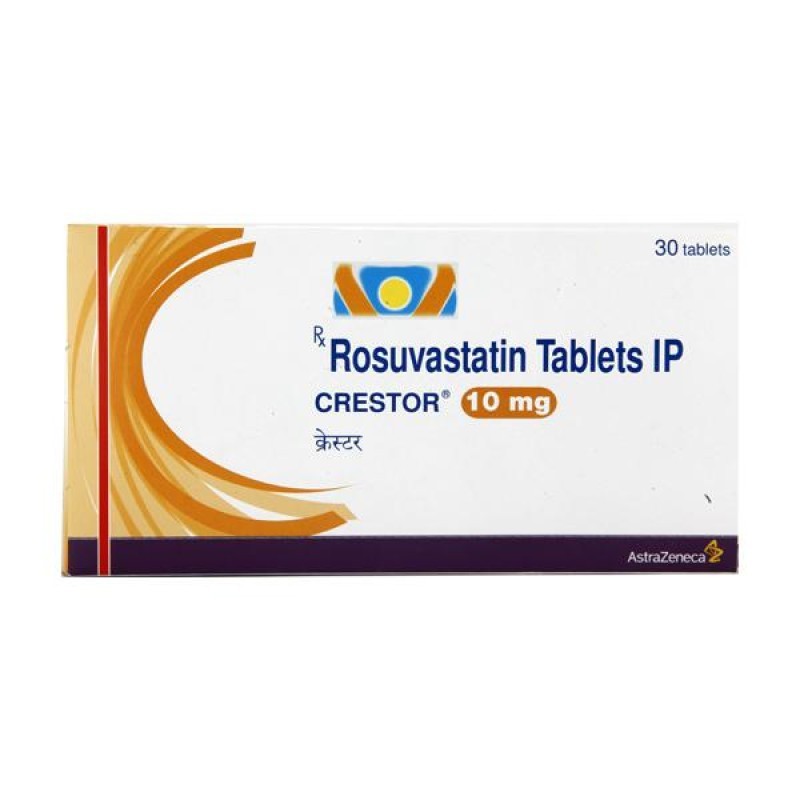
Crestor 10 mg AstraZeneca: Understanding Its Mechanism and Key Features
Crestor 10 mg AstraZeneca is a medication primarily used to lower cholesterol levels in individuals who are at risk of heart disease. Its active ingredient, rosuvastatin, belongs to the statin class of drugs, which function by inhibiting an enzyme in the liver responsible for producing cholesterol. By reducing the overall cholesterol levels in the bloodstream, Crestor can help decrease the risk of cardiovascular events such as heart attacks and strokes.
One of the key features of Crestor is its ability to target low-density lipoprotein (LDL) cholesterol, often referred to as "bad" cholesterol, while also raising high-density lipoprotein (HDL) cholesterol, known as "good" cholesterol. This dual action makes Crestor a valuable option for individuals aiming to improve their lipid profiles. Furthermore, its long half-life allows for once-daily dosing, offering convenience and ease of use for patients.
Forms and Types of Crestor
Crestor 10 mg AstraZeneca is available in tablet form and is prescribed in various dosages to cater to individual patient needs. Besides the 10 mg dosage, Crestor is also available in strengths of 5 mg, 20 mg, and 40 mg. This range of dosages allows healthcare providers to tailor treatment plans based on the patient's specific cholesterol levels and overall health profile.
The tablets are designed for oral administration and are typically taken once daily, with or without food. This flexibility can make it easier for patients to incorporate Crestor into their daily routines, whether they prefer taking their medication with meals or on an empty stomach. The consistent formulation across dosages ensures that patients can expect a reliable therapeutic effect regardless of the strength prescribed.
Main Differences from Other Cholesterol-Lowering Substances
Crestor 10 mg AstraZeneca distinguishes itself from other cholesterol-lowering medications primarily through its potency and efficacy in reducing LDL cholesterol. While other drugs, such as atorvastatin and simvastatin, also belong to the statin family, Crestor has been shown to lower LDL levels more aggressively, particularly in individuals with high cholesterol or those who have not responded adequately to other forms of treatment.
Another significant advantage of Crestor is its ability to provide cardiovascular benefits beyond merely lowering cholesterol. Studies have demonstrated that it can reduce the risk of heart attack and stroke in high-risk populations, making it an excellent choice for those looking to safeguard their heart health. Users who are prescribed Crestor may find that it offers a more effective approach to managing their cholesterol levels, leading to improved overall health outcomes.
Long-Term Effects and Who Should Avoid It
The long-term use of Crestor 10 mg AstraZeneca can contribute to significant reductions in cholesterol levels, leading to a decreased risk of cardiovascular disease. However, like all medications, it comes with certain contraindications. Individuals who are pregnant or breastfeeding should avoid using Crestor, as it may pose risks to the developing fetus or nursing infant. Additionally, those with active liver disease or severe renal impairment should not use this medication due to potential adverse effects on liver function.
Patients with a history of muscle disorders or those who have experienced statin-related side effects may also need to consider alternative treatments. It's essential to consult with a healthcare professional before starting treatment with Crestor, as they can provide guidance based on individual health conditions and medication history.
Practical Advice for Starting Crestor 10 mg AstraZeneca
For individuals considering Crestor 10 mg AstraZeneca, it’s crucial to initiate therapy under the guidance of a healthcare provider. During the initial consultation, patients should discuss their complete health history, current medications, and any lifestyle factors that may affect their treatment. Health practitioners typically recommend starting at the lowest effective dose to monitor tolerance and response before adjusting as necessary.
Additionally, maintaining a heart-healthy lifestyle can enhance the effectiveness of Crestor. Patients should be encouraged to adopt a balanced diet low in saturated fats, engage in regular physical activity, and manage stress effectively. Regular follow-ups with healthcare providers are vital to track cholesterol levels and assess the overall effectiveness of the medication.
In conclusion, Crestor 10 mg AstraZeneca offers robust benefits for those managing high cholesterol levels, but informed decisions and medical supervision are essential for safe and effective use.
| Features | |
| Active substance | Rosuvastatin |
| Also known as | Crestor, Rosulip, Rosuvast |
| Blood pressure | Can help in reducing blood pressure slightly |
| Chemical name | Rosuvastatin Calcium |
| Classification | HMG-CoA Reductase Inhibitors (statins) |
| Dosage (medical) | 5-40 mg once daily |
| Dosage (sports) | Not applicable |
| Effects | Reduces levels of bad cholesterol (LDL) and triglycerides in the blood, while increasing levels of good cholesterol (HDL) |
| Formula | C44H54CaF2N6O12S2 |
| Half-life | 19 hours |
| Hepatotoxicity | Low risk, but liver enzymes should be monitored |
| Lab Test | Monitoring of liver function and lipid levels |
| Main action | Lowers cholesterol |
| Side effects | Muscle pain, headache, dizziness, nausea, abdominal pain |
| Storage conditions | Store at 20В°C to 25В°C (68В°F to 77В°F) |
| Substance class | Statin |
| Trade name | Crestor |
| Use in sports | Not typically used for enhancing athletic performance |
| WAREHOUSE | International Warehouse 1 |
| Water Retention | No significant effect |
| Manufacturer | AstraZeneca – IN |