
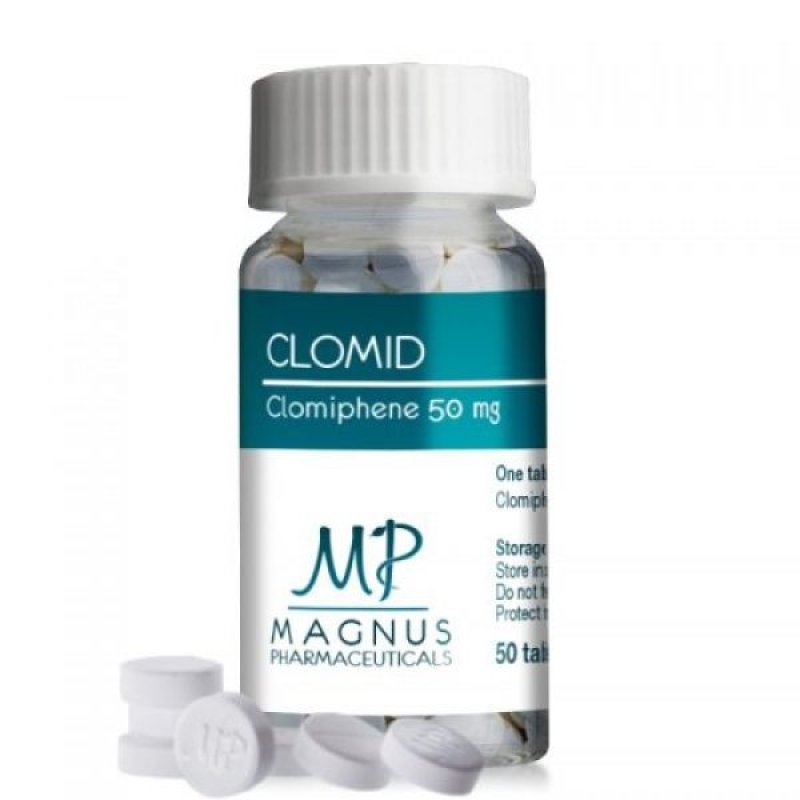
CLOMID Pharmaceutical: An Overview
CLOMID Pharmaceutical is a widely recognized medication primarily used as a fertility treatment for women experiencing issues with ovulation. The active ingredient, clomiphene citrate, functions as a selective estrogen receptor modulator (SERM), helping to stimulate the hypothalamus to release hormones that play a crucial role in the ovulation process. By promoting the natural release of hormones like follicle-stimulating hormone (FSH) and luteinizing hormone (LH), CLOMID Pharmaceutical aims to induce ovulation and increase the chances of conception for women who are trying to conceive. As one of the most commonly prescribed medications for female infertility, CLOMID Pharmaceutical has helped countless women achieve successful pregnancies and expand their families.
Typical Users and Contexts of Application
CLOMID Pharmaceutical is primarily utilized by women who are facing fertility challenges, particularly those diagnosed with anovulation or irregular ovulation. This medication is most commonly prescribed in several contexts, including women with polycystic ovary syndrome (PCOS), those with unexplained infertility, and individuals dealing with age-related fertility decline. Healthcare providers may recommend CLOMID for women who have not responded to other fertility treatments or whose ovulation cannot be induced through lifestyle changes alone. In many cases, CLOMID is used as part of a broader fertility treatment plan, which may include ultrasounds to monitor follicle development and blood tests to assess hormone levels. By understanding its specific applications, users can make informed decisions about their fertility options and engage in discussions with their healthcare professionals regarding potential outcomes and considerations.
Strengths and Distinguishing Characteristics of CLOMID Pharmaceutical
CLOMID Pharmaceutical stands out among fertility medications due to its unique mechanism of action, accessibility, and generally well-tolerated profile. Unlike other fertility treatments such as gonadotropins, which require injections and more intensive monitoring, CLOMID is taken orally, providing users with a less invasive and more user-friendly option. Additionally, CLOMID works by blocking estrogen receptors in the hypothalamus, which enhances the secretion of gonadotropins and subsequently stimulates the ovaries. This specific action allows for targeted therapy in cases of ovulatory dysfunction. Furthermore, CLOMID has a favorable side effect profile compared to some alternative treatments, making it a first-line option for many healthcare providers when addressing ovulatory issues in women. Its effectiveness is supported by a significant number of clinical studies, further establishing CLOMID’s reputation as a go-to treatment for enhancing fertility.
Overview of Benefits
CLOMID Pharmaceutical offers several benefits for women seeking to conceive. Here are some key advantages of using this medication:
- Effective Ovulation Induction: CLOMID has a proven track record of successfully inducing ovulation in many women who struggle with ovulatory disorders.
- Oral Administration: The convenience of taking CLOMID in pill form reduces the need for injections, which can be uncomfortable and inconvenient.
- Cost-Effective Treatment: Compared to other fertility treatment options, CLOMID is generally less expensive, making it a more accessible choice for many women.
- Short Treatment Cycles: Treatment with CLOMID typically lasts only a few cycles, allowing for a quicker approach to potential conception.
- Fewer Side Effects: The side effects associated with CLOMID are generally milder than those of injectable medications, making it a favorable option for many users.
Important Considerations Before Use
Before starting treatment with CLOMID Pharmaceutical, it's essential to consider certain factors and contraindications. Women should undergo a thorough medical evaluation to determine if CLOMID is appropriate for their specific situation. Contraindications include but are not limited to: existing liver disease, uncontrolled adrenal or pituitary disorders, ovarian cysts unrelated to polycystic ovary syndrome, and abnormal vaginal bleeding of undetermined origin. Additionally, CLOMID is not recommended for pregnant women due to the potential for adverse effects on fetal development. The decision to use CLOMID should be made in collaboration with a healthcare provider, who can assess individual circumstances and discuss potential risks and benefits, ensuring that users are well-informed and prepared for the treatment process.
| Features | |
| Also known as | Clomifene |
| Blood pressure | No significant impact |
| Chemical name | Clomiphene citrate |
| Dosage (medical) | 50 mg daily for 5 days, starting on the fifth day of the menstrual cycle |
| Dosage (sports) | 50-100 mg daily for 4-6 weeks |
| Effects | Induces ovulation, increases serum testosterone levels |
| Formula | C32H36ClNO8 |
| Half-life | 5-7 days |
| Hepatotoxicity | Low |
| Lab Test | Monitoring of liver function and hormone levels |
| Main action | Stimulation of gonadotropins production |
| Side effects | Hot flashes, abdominal discomfort, visual disturbances, nausea, and potential risk of ovarian cancer |
| Storage conditions | Store at room temperature away from moisture and heat |
| Substance class | Selective Estrogen Receptor Modulator (SERM) |
| Trade name | Clomid, Serophene |
| Use in sports | Used to restore natural testosterone production post anabolic steroid use |
| Water Retention | No |
| Manufacturer | Pharmaceutical |