
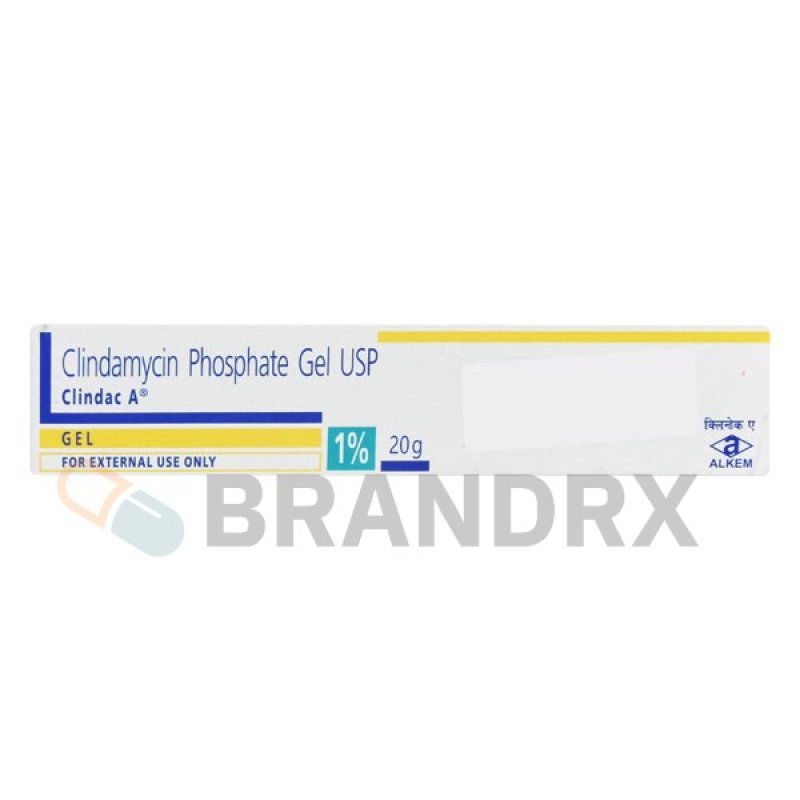

Clindac-A Gel 1% Pharmaceutical: Description and Pharmacological Properties
Clindac-A Gel 1% Pharmaceutical is a topical gel formulation that employs clindamycin, an antibiotic, as its primary active ingredient. This product is well-regarded in dermatology for its effectiveness in managing acne vulgaris. Clindamycin belongs to a class of antibiotics known as lincosamides, primarily functioning by inhibiting bacterial protein synthesis. The core pharmacological properties of Clindac-A Gel include its ability to reduce the development of acne lesions and its anti-inflammatory effects, which contribute to improved skin appearance.
One of the defining characteristics of Clindac-A Gel 1% Pharmaceutical is its targeted action against Propionibacterium acnes, the bacteria implicated in acne pathogenesis. By decreasing the population of this bacteria on the skin's surface, Clindac-A helps to alleviate the inflammatory response associated with acne, leading to fewer breakouts and clearer skin.
Aside from its antibacterial action, Clindac-A Gel also possesses properties that reduce the overall inflammation and redness of the skin. This dual action makes it a preferred choice for individuals seeking to manage both the symptoms and causes of acne effectively. The gel formulation ensures that the active ingredient penetrates the epidermis easily, providing targeted treatment where it is needed most.
What to Consider When Using Clindac-A Gel 1% Pharmaceutical
When considering the use of Clindac-A Gel 1% Pharmaceutical, several important factors should be noted to enhance treatment effectiveness and safety. First and foremost, it is crucial to follow the prescribed dosage and application instructions. Typically, it is recommended to apply the gel once daily to affected areas after cleansing the skin thoroughly.
Prior to starting treatment with Clindac-A Gel, individuals should ensure that their skin is clean and free of other topical medications, as interactions might affect efficacy. It is also advisable to avoid using the gel on open wounds or irritated skin, as this may exacerbate irritation.
Furthermore, patients with a history of gastrointestinal disease, especially colitis, should be cautious as clindamycin can be absorbed systemically. It is also important to be cautious with sun exposure; users should apply sunscreen to minimize the risk of photosensitivity. As with any pharmaceutical product, consulting a healthcare provider for personal advice and a thorough evaluation of one’s health status is paramount.
Indications for the Use of Clindac-A Gel 1% Pharmaceutical
Clindac-A Gel 1% Pharmaceutical is typically indicated for the treatment of mild to moderate acne vulgaris. Patients often choose Clindac-A Gel not only for its proven efficacy but also due to its localized application, which can be less invasive than systemic treatments. Users may find Clindac-A beneficial in addressing specific acne lesions while minimizing broad-spectrum side effects associated with oral antibiotics.
In addition to its primary indication for acne, healthcare professionals may recommend Clindac-A Gel for off-label uses, often based on clinical judgment. These might include treatment for other dermatological conditions where inflammation and bacterial infection are present. The decision to use Clindac-A Gel centers around the need for a potent yet topical solution that targets problem areas directly.
Risks and Recommendations for Safe Use
As with any medication, there are potential risks associated with the use of Clindac-A Gel 1% Pharmaceutical. Common side effects can include local skin reactions such as dryness, redness, or irritation at the application site. Such reactions are usually mild and resolve with continued use. However, individuals experiencing severe irritation or allergic reactions should discontinue use immediately and consult with their healthcare provider.
Here are some key expected benefits of using Clindac-A Gel:
- Effective reduction of acne lesions.
- Decreased inflammation associated with acne.
- Targeted treatment with minimal systemic effects.
- Ease of application and quick absorption.
- Compatibility with various skin types.
It is critical to note that Clindac-A Gel is contraindicated for certain populations, such as pregnant women, as the safety of topical clindamycin during pregnancy has not been conclusively established. Likewise, it may not be suitable for children under the age of 12 without medical supervision. Patients with a known hypersensitivity to clindamycin or any component of the gel should avoid its use. The importance of consulting a healthcare professional before starting Clindac-A Gel cannot be overstated, as they can provide tailored recommendations based on individual medical history and skin type.
Buy Clindac-A Gel 1% Pharmaceutical in the USA from an Anabolic Store
For those interested in purchasing Clindac-A Gel 1% Pharmaceutical, navigating an anabolic store can provide access to this product along with reliable information. Before buying, it is advisable to ensure that the store adheres to pharmaceutical regulations and offers genuine products to avoid counterfeit risks.
When selecting Clindac-A Gel, consider checking for proper labeling and expiry dates on the packaging. Additionally, starting use responsibly involves beginning with small amounts to gauge skin sensitivity and gradually increasing as tolerated. It is prudent to conduct thorough research and read user reviews to establish the credibility of the product and its seller.
In conclusion, Clindac-A Gel 1% Pharmaceutical represents a valuable option for those dealing with acne. With its targeted action and favorable safety profile, it offers a practical solution for improving skin health. However, users are encouraged to remain informed about their options and to consult healthcare professionals to support their treatment decisions.
| Features | |
| Also known as | Clindamycin 2-phosphate |
| Blood pressure | No significant impact |
| Chemical name | Methyl 7-chloro-6,7,8-trideoxy-6-(1-methyl-trans-4-propyl-L-2-pyrrolidinecarboxamido)-1-thio-L-threo-О±-D-galacto-octopyranoside 2-(dihydrogen phosphate) |
| Dosage (medical) | 150-450 mg orally every 6 hours or 600-900 mg IV every 8 hours, depending on the severity of the infection |
| Dosage (sports) | Not applicable |
| Effects | Inhibits bacterial protein synthesis, leading to the death of bacteria |
| Formula | C18H34ClN2O8PS |
| Half-life | 2.4 hours |
| Hepatotoxicity | Rare, but cases of hepatitis and liver dysfunction have been reported |
| Lab Test | Monitoring of liver and renal functions may be required |
| Main action | Antimicrobial |
| Side effects | Nausea, vomiting, diarrhea, abdominal pain, rash, itching, and potential for pseudomembranous colitis |
| Storage conditions | Store at 20В° to 25В°C (68В° to 77В°F) |
| Substance class | Antibiotic |
| Trade name | Cleocin |
| Use in sports | Not typically used in sports |
| Water Retention | No significant effect |
| Manufacturer | Pharmaceutical |