
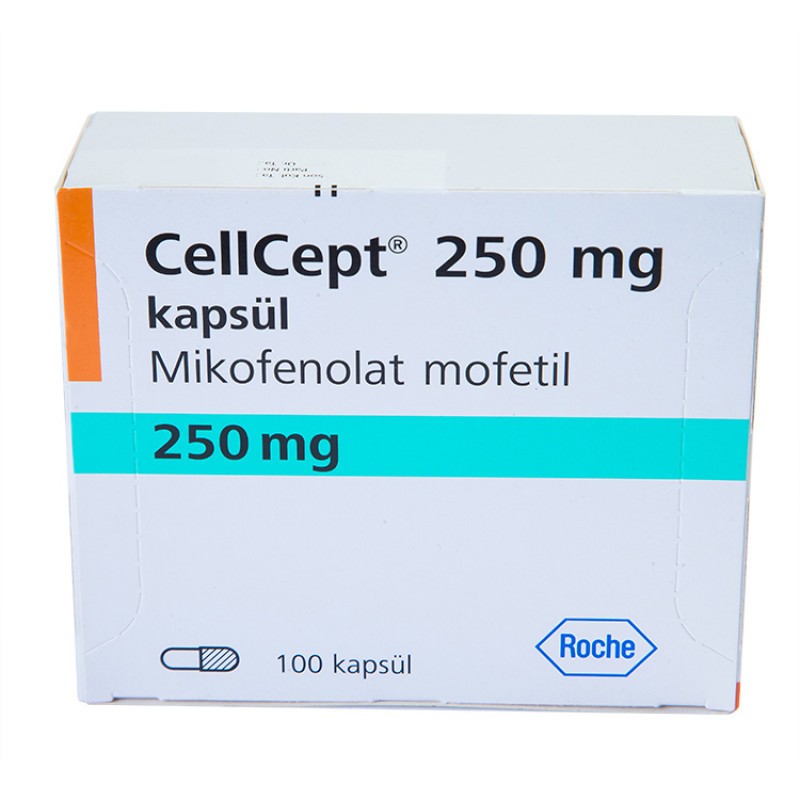
Understanding CellCept 250 Roche: Overview and Purpose
CellCept 250 Roche is a prescription medication that contains the active ingredient mycophenolate mofetil. It is primarily used to prevent organ rejection in patients who have received a kidney transplant, although it has other therapeutic applications as well. The main task of CellCept is to suppress the immune system, minimizing the body’s potential to reject transplanted organs and thereby enhancing the chances for successful transplant outcomes. By inhibiting the proliferation of lymphocytes, or immune cells, this medication effectively reduces the activity of the immune response, which can be crucial in transplant scenarios.
In summary, CellCept 250 Roche serves as a vital tool in organ transplantation and certain autoimmune disorders, allowing patients to lead healthier lives post-surgery and manage their conditions effectively. Its role in managing immune responses makes it a critical consideration for patients and healthcare providers alike, highlighting the importance of careful medication management in the transplantation process.
Intended Audience and Usage Areas
CellCept 250 Roche is specifically intended for adults and children who have undergone kidney transplants, as well as those who may require treatment for various autoimmune conditions like lupus and rheumatoid arthritis. It is critical for this medication to be prescribed and monitored by a healthcare professional to ensure proper usage and to reduce the risk of potential side effects.
Individuals with certain health conditions or those who are pregnant or breastfeeding should avoid using CellCept. Additionally, this drug might not be suitable for individuals with hypersensitivity to any of its components, patients who are currently experiencing infections, or those with severe liver disease. Consultation with a doctor or specialist is essential before initiating treatment with CellCept 250 Roche to assess suitability based on individual health profiles and to monitor ongoing health while using the drug.
Key Benefits of CellCept 250 Roche
CellCept 250 Roche offers several advantages for those undergoing transplant operations or dealing with specific autoimmune diseases. Its immunosuppressive properties play a critical role in enhancing the efficacy of organ transplants while managing autoimmune disorders effectively. Below are some key benefits of CellCept:
- Effective prevention of organ rejection post-transplant.
- Helps in managing symptoms of autoimmune diseases.
- Supports long-term transplant success and patient health.
- Reduces the dependency on corticosteroids, which can have severe side effects.
- Suitable for both adults and children, broadening its applicability.
These benefits make CellCept an important medication in the treatment landscape, especially for patients who require careful management of their immune responses. Additionally, the reduced need for higher steroid doses is a significant advantage, as steroids can have undesirable side effects in long-term usage.
Core Value and Key Benefit of CellCept 250 Roche
The core value of CellCept 250 Roche lies in its ability to enhance the quality of life for organ transplant recipients or individuals with predisposed immune challenges. By effectively minimizing the risk of transplant rejection and aiding in the overall management of autoimmune disorders, CellCept empowers patients to achieve better health outcomes. It allows thousands of patients to maintain their organ functionality and manage their conditions with less burden, promoting a better quality of life.
Moreover, CellCept's role in reducing dependence on more harmful medications demonstrates its importance in contemporary medical therapies. It represents a significant advancement in immunosuppressive therapy, ultimately contributing to enhanced survival rates and improved life quality post-transplant.
In conclusion, CellCept 250 Roche is a vital medication for individuals who have undergone organ transplants or are dealing with autoimmune disorders. Its immunosuppressive capabilities, combined with a focus on minimizing medication side effects, provide patients with hope and improved health outcomes, making it an essential aspect of modern medical care.
| Features | |
| Acne | No |
| Active substance | Mycophenolate Mofetil |
| Also known as | MMF |
| Aromatization | No |
| Blood pressure | Typically has no direct effect on blood pressure |
| Chemical name | 2-Morpholinoethyl (E)-6-(1,3-dihydro-4-hydroxy-6-methoxy-7-methyl-3-oxo-5-isobenzofuranyl)-4-methyl-4-hexenoate |
| Dosage (medical) | Typically 1g orally twice a day |
| Dosage (sports) | Not applicable as it does not enhance athletic performance |
| Effects | Prevents organ rejection in transplant patients |
| Formula | C23H31NO7 |
| Half-life | Approximately 17.9 hours (for the active metabolite mycophenolic acid) |
| HBR | No |
| Hepatotoxicity | No |
| Lab Test | Blood levels of mycophenolic acid may be monitored to adjust dose |
| Main action | Inhibits inosine monophosphate dehydrogenase, leading to suppression of lymphocyte proliferation |
| Side effects | Gastrointestinal disturbances, increased risk of infections, leukopenia, anemia |
| Storage conditions | Store at room temperature, away from moisture and heat |
| Substance class | Immunosuppressant, specifically a prodrug of mycophenolic acid |
| Trade name | CellCept |
| Use in sports | Not typically used in sports due to its immunosuppressive effects |
| WAREHOUSE | International Warehouse 2 |
| Water Retention | No |
| Manufacturer | Roche |