
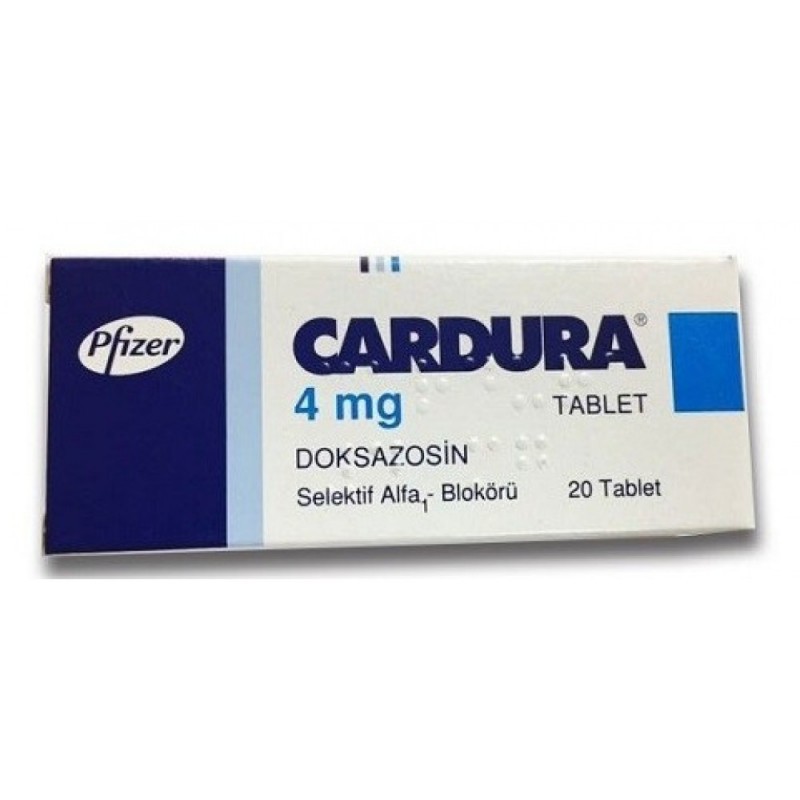
Cardura 4 Pfizer role in sports pharmacology
Cardura 4 Pfizer is a medication primarily known for its role in treating hypertension and symptoms of benign prostatic hyperplasia (BPH). It acts as an alpha-1 adrenergic blocker, which works by relaxing blood vessels so that blood can flow more easily, thereby lowering blood pressure. In the context of sports pharmacology, Cardura can be of interest, particularly among athletes looking to manage blood pressure and improve overall cardiovascular health. However, its relevance extends beyond merely lowering blood pressure; it plays a role in enhancing athletic performance and recovery through better blood flow and reduced hypertension-related risks.
Understanding how Cardura affects the body is crucial for athletes. Its ability to induce vasodilation can lead to improved oxygen and nutrient delivery to muscles during intense physical activity, which can support performance levels. Additionally, effective management of blood pressure can reduce the risk of cardiovascular complications that may arise from rigorous training regimens. However, the use of Cardura in sports needs to be approached with caution, as it can also have side effects that might impact an athlete's ability to perform.
Dosage scheme and optimal use
The dosage of Cardura 4 Pfizer can vary based on the specific health needs of the individual. Generally, for managing hypertension, the initial dosage is often set at 1 mg taken once daily. This can gradually be adjusted based on the patient's response, with typical doses ranging from 1 mg to 16 mg per day, depending on clinical indications and physician recommendations.
For athletes considering Cardura for performance-related benefits, it is vital to consult a healthcare provider before starting any regimen. The optimal use of Cardura involves careful monitoring of blood pressure and awareness of any side effects. Continuous evaluation of cardiovascular health is also vital, ensuring that any potential drug interactions or unforeseen effects are promptly addressed. Timing can also influence the effectiveness of the medication, as taking Cardura at the same time each day can help maintain consistent blood levels of the medication.
In summary, while Cardura can aid in managing blood pressure effectively, it is crucial for users to adhere strictly to a prescribed dosage and maintain open communication with healthcare professionals regarding any exercise program or changes in health status.
Main benefits of Cardura 4 Pfizer
The primary advantages of Cardura 4 Pfizer primarily relate to its function in promoting cardiovascular health and enhancing physical performance through better circulation. The drug's key benefits include:
- Effective blood pressure control, reducing stroke and heart attack risks.
- Improved vascular health, leading to better blood flow during physical activities.
- Support for individuals dealing with symptoms of BPH, enhancing overall quality of life.
- Potential improvements in endurance and exercise performance due to improved oxygen delivery to muscles.
- Reduced severity of side effects associated with hypertension medications compared to other treatment options.
These benefits underline the importance of considering Cardura within a broader framework of health and fitness. However, it is essential for users to understand that while beneficial, Cardura should be used responsibly and with professional supervision to maximize its advantages while minimizing potential risks.
Contraindications and important limitations of use
As with any medication, Cardura 4 Pfizer comes with its set of contraindications and safety considerations that users should be aware of. First and foremost, it is not recommended for individuals with a history of hypersensitivity to doxazosin or any other component of the formulation. Patients who have experienced a severe adverse reaction to alpha-blockers should also avoid use.
Additionally, Cardura should be used with caution in individuals suffering from liver or kidney impairments, as these conditions can affect medication metabolism and clearance from the body. Furthermore, since Cardura may lead to orthostatic hypotension, individuals who are prone to low blood pressure or have a history of fainting should consult a physician before initiating treatment. Lastly, those who are pregnant, breastfeeding, or planning to become pregnant should discuss potential risks and benefits with their healthcare provider, as the safety of this medication in these populations has not been fully established.
In conclusion, while Cardura 4 Pfizer presents significant benefits for cardiovascular health and potentially athletic performance, a thorough understanding of its contraindications and limitations is essential for safe and effective use. Proper medical guidance and patient education are vital in optimizing health outcomes.
| Features | |
| Acne | No |
| Active substance | Doxazosin |
| Also known as | Doxazosin mesylate |
| Aromatization | No |
| Blood pressure | Reduces both systolic and diastolic blood pressure |
| Chemical name | 1-(4-amino-6,7-dimethoxy-2-quinazolinyl)-4-(1,4-benzodioxan-2-ylcarbonyl)piperazine |
| Dosage (medical) | 1-16 mg per day, depending on the condition being treated |
| Dosage (sports) | Not applicable |
| Effects | Reduces blood pressure and improves symptoms of enlarged prostate |
| Formula | C23H25N5O5 |
| Half-life | 22 hours |
| HBR | No |
| Hepatotoxicity | No |
| Lab Test | Not specifically associated with regular lab tests, but blood pressure should be monitored |
| Main action | Lowers blood pressure by relaxing blood vessels |
| Side effects | Dizziness, fatigue, headache, hypotension, palpitations |
| Storage conditions | Store at room temperature away from moisture and heat |
| Substance class | Alpha-1 adrenergic receptor blocker |
| Trade name | Cardura, others |
| Use in sports | Not typically used in sports |
| WAREHOUSE | International Warehouse 2 |
| Water Retention | No |
| Manufacturer | Pfizer |