
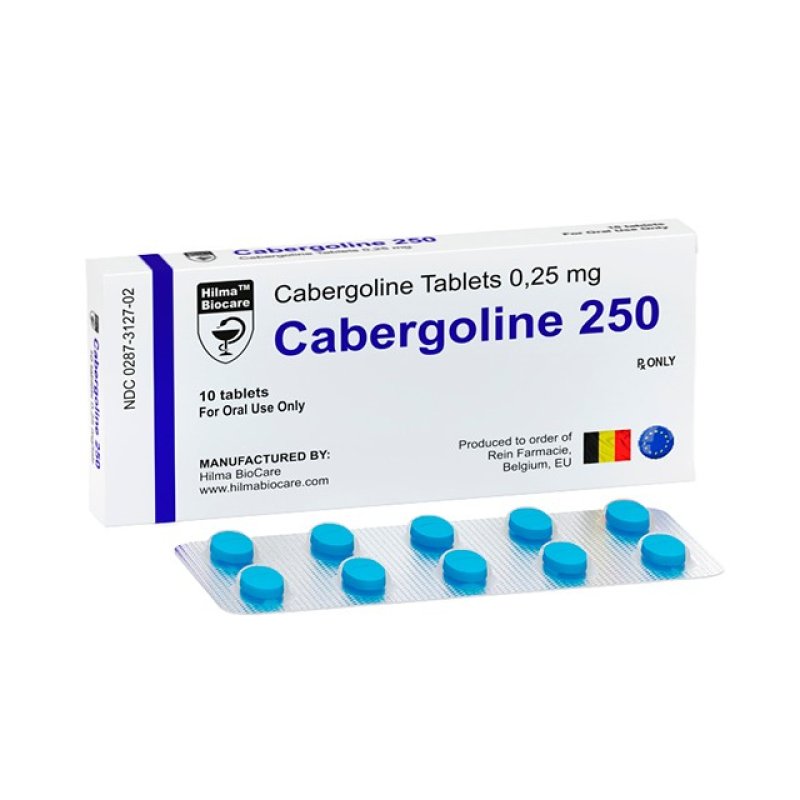
Understanding User Goals and Misconceptions
When considering Cabergoline Pharmaceutical, users often have specific health goals in mind. Many individuals seek this medication to manage conditions related to excess prolactin, such as hyperprolactinemia, which can lead to significant physical and emotional challenges. Common user goals include reducing uncomfortable symptoms, improving fertility, and addressing hormonal imbalances that affect overall quality of life. Additionally, users may be looking for solutions to certain types of pituitary tumors associated with hormonal dysfunction. Despite these objectives, many users may harbor misconceptions about how Cabergoline works and its effects on the body. Some may mistakenly believe that all medications that address hormonal issues operate in the same manner, unaware of the unique pathways and mechanisms of action that Cabergoline utilizes. Understanding the specific uses and capabilities of Cabergoline is crucial for achieving the desired health outcomes while navigating the complexities of hormonal therapies.
How Cabergoline Pharmaceutical Functions
Cabergoline Pharmaceutical is classified as a dopamine agonist, specifically targeting the D2 dopamine receptors in the brain. By mimicking the action of dopamine, a critical neurotransmitter, Cabergoline effectively inhibits the secretion of prolactin from the pituitary gland. This is significant because elevated levels of prolactin can lead to various health issues such as irregular menstruation, infertility, and unwanted breast milk production. The internal mechanics of the medication revolve around its ability to decrease the amount of prolactin in the bloodstream, thereby alleviating the symptoms associated with hyperprolactinemia. Users may also find that Cabergoline improves symptoms of conditions involving hyperprolactinemia-related tumors, as it can shrink these tumors over time. To achieve the best results, it's important for users to regularly monitor hormone levels and consult with healthcare providers, as individual responses to Cabergoline can vary based on metabolism and health conditions. Understanding the pharmacodynamics and pharmacokinetics of Cabergoline is essential for optimizing treatment results.
Safety Considerations with Cabergoline Pharmaceutical
While Cabergoline is generally well tolerated, it is not without limitations and contraindications that users must be aware of prior to beginning treatment. Individuals with a known hypersensitivity to the drug or similar compounds should avoid using Cabergoline. Additionally, it is contraindicated in individuals with uncontrolled hypertension or certain cardiovascular diseases, as it may exacerbate these conditions. Potential side effects can include dizziness, headaches, nausea, and gastrointestinal disturbances. These effects, though often mild, are important to discuss with a healthcare professional before commencing treatment. It is also essential to consult a physician if the patient is pregnant, planning to become pregnant, or is nursing, as Cabergoline may have implications for fetal and infant health. Before starting treatment, a thorough medical evaluation is necessary, allowing healthcare providers to weigh the benefits against any potential risks, ensuring the safety and effectiveness of the medication.
Navigating the Information on This Preparation
Exploring the details of Cabergoline Pharmaceutical on this page can equip users with valuable insights regarding its usage, potential risks, and the effects it may have on health. Visitors are encouraged to delve into various sections that cover essential information about dosing, administration guidelines, and expected outcomes. The goal is to provide a comprehensive understanding of how Cabergoline operates within the body and how it can particularly benefit individuals struggling with hormonal imbalances and associated disorders. Users will find a wealth of knowledge, including real-life user experiences and expert recommendations, enabling informed decisions about their treatment options. Whether you are a first-time user or considering Cabergoline as a potential remedy for ongoing health issues, taking the time to navigate through the content will enhance your comprehension and preparedness as you embark on this medical journey.
Insights on Cabergoline Pharmaceutical Uses
Cabergoline Pharmaceutical serves a distinct purpose in the realm of hormonal therapies, demonstrating its efficacy primarily in managing conditions associated with elevated prolactin levels. Patients seeking relief from symptoms linked to hyperprolactinemia often turn to this medication for its specific therapeutic actions that address the underlying hormonal imbalance. Engaging with healthcare professionals regarding individual symptoms and treatment goals is integral to leveraging the benefits of Cabergoline effectively. Through patient education and awareness, users can demystify the treatment process and build a collaborative relationship with their healthcare provider, ensuring their health concerns are adequately addressed. This ongoing dialogue is key in optimizing the treatment regimen and achieving the best possible health outcomes with Cabergoline Pharmaceutical. Understanding its role, safety parameters, and the importance of professional guidance ultimately shapes the success of the treatment journey.
| Features | |
| Also known as | Cabaser, Dostinex |
| Blood pressure | May cause hypotension (lower blood pressure) |
| Chemical name | 1-[(6-allylergolin-8ОІ-yl)-carbonyl]-1-[3-(dimethylamino)propyl]-3-ethylurea |
| Dosage (medical) | Typically 0.25 mg to 1 mg twice a week for hyperprolactinemia |
| Dosage (sports) | Not officially recommended for sports uses, typically around 0.25 mg to 0.5 mg per week when used |
| Effects | Decreases prolactin levels, can potentially enhance mood and libido |
| Formula | C26H37N5O2 |
| Half-life | 63 to 68 hours |
| Hepatotoxicity | Low risk, but liver function monitoring is advised for prolonged use |
| Lab Test | Blood prolactin levels |
| Main action | Dopamine D2 receptor agonist |
| Side effects | Nausea, headache, dizziness, orthostatic hypotension, constipation, fatigue, heart valve issues in higher doses |
| Storage conditions | Store at room temperature, protect from light and moisture |
| Substance class | Ergoline derivative |
| Trade name | Dostinex, Cabaser |
| Use in sports | Primarily used to reduce prolactin-related side effects of anabolic steroids |
| Water Retention | No significant impact on water retention |
| Manufacturer | Pharmaceutical |