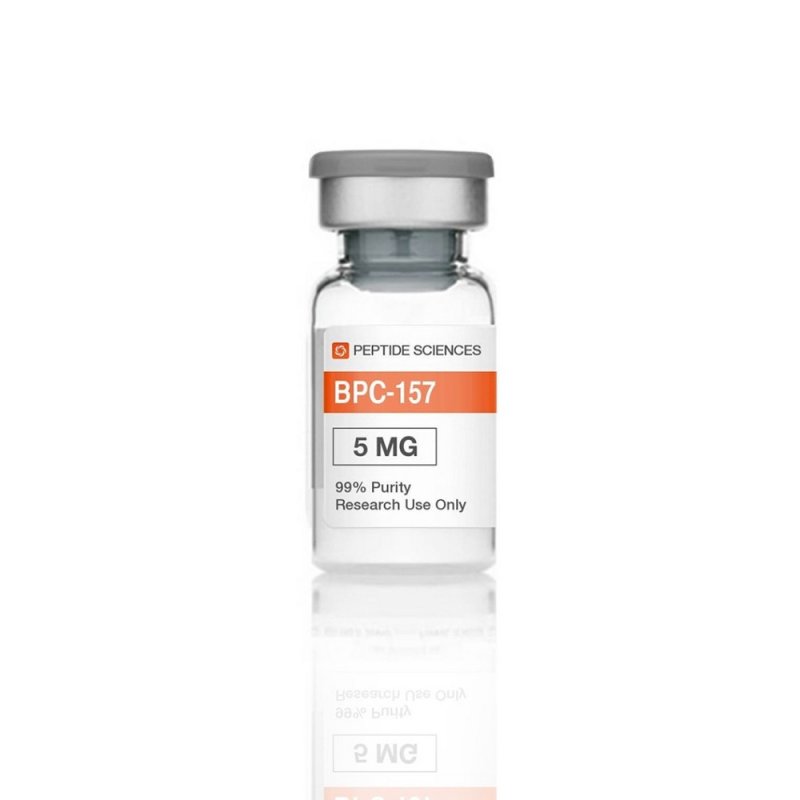
BPC-157 5 mg Peptide Sciences: Understanding Its Mechanisms and Features
BPC-157 5 mg Peptide Sciences is an innovative peptide that has garnered attention for its potential therapeutic benefits. Derived from a protein found in the stomach, its primary function is to aid in healing and cellular regeneration. One of the key features of BPC-157 is its ability to promote angiogenesis, which is the formation of new blood vessels. This property enhances the body's natural healing processes, making it particularly useful for repairing injuries and supporting overall recovery after physical exertion. Additionally, BPC-157 is known to have anti-inflammatory properties and may assist in mitigating pain, which makes it a valuable option for athletes and those living with chronic injuries.
Forms and Types of Release
BPC-157 is typically available in two primary forms: injectable solutions and oral supplements. The injectable form is often preferred for its potency and fast absorption rate, allowing the peptide to act quickly within the body. Users can administer the peptide subcutaneously or intramuscularly, with many opting for intramuscular injections for targeted results. The oral form, while convenient, may have a lower bioavailability when compared to injections and is usually taken in capsule or tablet form. Each method of administration may suit different preferences and needs, giving users flexibility in how they choose to integrate this peptide into their wellness routines.
Why Choose BPC-157 5 mg Peptide Sciences?
One of the key distinctions of BPC-157 5 mg Peptide Sciences compared to other peptides lies in its extensive healing properties. While various peptides may offer benefits, few can match BPC-157's ability to stimulate healing across a broad spectrum of injuries. Unlike some other substances that primarily target muscle recovery or strength enhancement, BPC-157 has shown effectiveness in regenerating tendons, ligaments, and even nerve tissues. Its multifaceted approach makes it an appealing choice for those looking to address both acute injuries and chronic conditions. Furthermore, BPC-157 has a favorable safety profile, with most users reporting minimal side effects. This combination of efficiency and safety makes it a compelling option for anyone seeking to enhance their recovery and overall performance.
Long-Term Effects and Considerations for Use
The long-term effects of BPC-157 use can be promising, particularly for individuals dealing with injuries that have not responded well to traditional treatments. Users often report faster recovery times and improved functionality. However, it is essential to note that BPC-157 is not suitable for everyone. Individuals who are pregnant, nursing, or have specific medical conditions should avoid using this peptide. Similarly, those with a history of certain cancers or those on anticoagulant medications should consult a healthcare professional prior to starting BPC-157. Proper use and understanding of contraindications ensure that users can safely experience the potential benefits of this peptide.
Practical Advice for Starting BPC-157 5 mg Peptide Sciences
When considering the incorporation of BPC-157 5 mg Peptide Sciences into your regimen, it is vital to conduct thorough research and possibly consult with a healthcare provider. Starting with a low dose is advisable, as individuals may react differently to peptides. Monitoring how your body responds is crucial before gradually increasing the dosage. Additionally, ensure that you source BPC-157 from reputable suppliers to guarantee quality and efficacy. Staying well-hydrated and maintaining a healthy lifestyle can further enhance the peptide's potential benefits. With careful consideration and informed decisions, BPC-157 can become a powerful ally in promoting recovery and improving quality of life.
| Features | |
| Active substance | Peptide |
| Also known as | Body Protection Compound-157 |
| Blood pressure | No significant effects reported |
| Chemical name | Glycyl-L-О±-glutamyl-L-prolyl-L-prolyl-L-prolylglycyl-L-lysyl-L-prolyl-L-alanyl-L-О±-aspartyl-L-О±-aspartyl-L-alanyl-L-glycyl-L-leucyl-L-valyl |
| Dosage (medical) | 250-1000 mcg/day |
| Dosage (sports) | 200-800 mcg/day |
| Effects | Promotes healing of various tissue types, including muscle, tendon, and ligament injuries |
| Formula | C62H98N16O22 |
| Half-life | Variable (hours to days, depending on administration route) |
| Hepatotoxicity | None reported |
| Lab Test | Specific assays for BPC-157 detection not widely available |
| Main action | Tissue healing and regeneration |
| Side effects | Very few reported, potential mild gastrointestinal disturbances |
| Storage conditions | Store in a cool, dry place away from light, typically refrigerated |
| Substance class | Peptide |
| Trade name | Not commercially available under a specific trade name |
| Use in sports | Recovery from injuries, enhanced healing |
| Water Retention | Minimal |
| Active ingredient, mg | 5 |
| Release form | Vial |
| 1 Ampoule, ml | 10 |
| Vials in the package, pcs | 1 |
| Manufacturer | Peptide Sciences |