
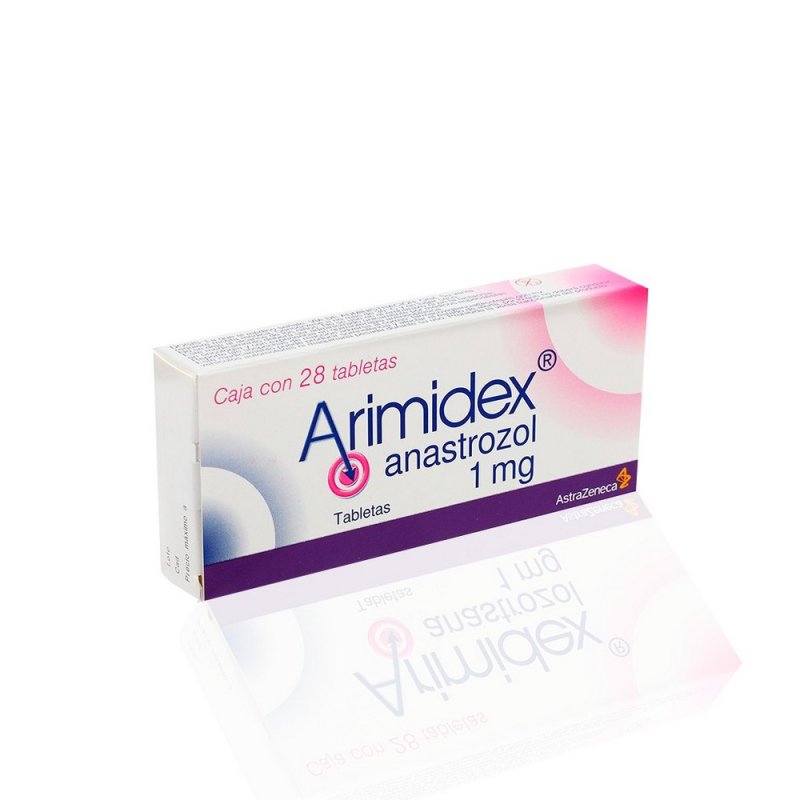
Key features of Armidex 1 mg AstraZeneca and its advantages
Armidex 1 mg AstraZeneca is a pioneering medication in the landscape of breast cancer treatment. This product is specifically engineered to serve as an aromatase inhibitor, primarily indicated for the management of hormone receptor-positive breast cancer in postmenopausal women. An essential feature of this medication is its active ingredient, anastrozole, which effectively reduces estrogen levels in the body, consequently inhibiting the growth of breast cancer cells that rely on estrogen for their proliferation. What sets Armidex apart in the competitive pharmaceutical market is its demonstrated efficacy and the favorable safety profile established through extensive clinical studies.
The advantages of Armidex 1 mg AstraZeneca are manifold. Firstly, it allows for targeted action in cases of estrogen-responsive tumors, improving the chances of successful outcomes. Secondly, by minimizing systemic side effects commonly associated with more traditional treatments, it enhances patient compliance and overall satisfaction. Moreover, the medication has been embraced by healthcare professionals as a go-to therapeutic option, highlighting its significance within oncological practices across the United States. As women seek effective treatments that align with their health goals, the role of Armidex remains ever more critical in the narrative of breast cancer management.
Positive pharmacological properties
Armidex 1 mg AstraZeneca showcases a range of positive pharmacological properties that reinforce its position within breast cancer management. The primary mechanism of action involves the inhibition of aromatase, an enzyme responsible for converting androgens to estrogens in postmenopausal women. By blocking this process, Armidex effectively lowers systemic estrogen levels, which is crucial in hormone-sensitive breast cancers.
Some key characteristics of Armidex include:
- Effective reduction of estrogen levels, crucial for hormone receptor-positive breast cancer therapy.
- A strong safety profile supported by rigorous clinical trials and post-marketing data.
- Convenient oral administration, enhancing adherence to treatment regimens.
- Availability in a standardized dosage that facilitates precise therapeutic use.
However, it is vital to consider specific contraindications when prescribing this medication. Patients who might experience adverse effects or ineffectiveness include:
- Pregnant women, due to potential risks to fetal development.
- Women who are breastfeeding, as the drug can pass into breast milk.
- Children and adolescents, for whom the impacts of the drug have not been fully studied.
- Individuals with a known hypersensitivity to anastrozole or to any of the excipients in the formulation.
- Patients with severe liver impairment, as this may affect drug metabolism.
Active substance of Armidex 1 mg AstraZeneca
The active substance in Armidex 1 mg AstraZeneca, anastrozole, reflects modern advancements in oncological pharmacotherapy. Research surrounding anastrozole has led to innovative approaches in the management of breast cancer, emphasizing personalized medicine strategies. The drug's primary mechanism—aromatase inhibition—aligns with a broader trend focused on hormone-targeted therapies that improve patient outcomes while minimizing side effects. Pharmaceutical advancements continue to explore new delivery methods, combination therapies, and broader indications for similar agents within the oncology sphere.
Interestingly, ongoing studies point toward the potential use of aromatase inhibitors beyond breast cancer, suggesting that anastrozole and similar agents may benefit other hormone-related conditions. Furthermore, new technological platforms are emerging that may allow for improved monitoring of treatment adherence and outcomes, which could enhance the effectiveness of Armidex in real-world clinical scenarios.
Who is not recommended to use this medication
Safety considerations are paramount when it comes to the administration of any medication, including those like Armidex. It is crucial to recognize the limitations surrounding its use to prevent adverse outcomes. Certain populations or conditions warrant particular caution before the initiation of treatment. It is advisable that the following groups be carefully evaluated:
- Patients with pre-existing cardiovascular issues, as these conditions could be exacerbated.
- Individuals suffering from bone health issues, such as osteoporosis, due to the potential for accelerated bone density loss.
- Those on extensive hormonal therapies, given the cumulative effects on hormone levels.
- People with a history of mental health disorders, as hormonal treatments can occasionally impact mood and cognition.
- Patients with renal impairment, since this could affect drug clearance and necessitate dosage adjustments.
Where to purchase Armidex 1 mg AstraZeneca in the USA
Identifying where to purchase Armidex 1 mg AstraZeneca in the United States is essential for patients and healthcare providers alike. The positioning of this medication in the oncology market underscores its significance: it is one of the preferred choices for postmenopausal women battling hormone receptor-positive breast cancer. Armidex is available primarily through pharmacies and medical facilities that specialize in oncology, making it vital for patients to consult their healthcare providers for prescriptions.
In the broader context, the distribution channels and availability of Armidex signify its integral role in modern oncological therapy. Healthcare professionals often recommend it based on individual patient assessments and preferences, ensuring that each woman has a tailored approach to her treatment. With a robust market presence and a commitment to quality, patients can confidently incorporate Armidex into their cancer treatment plans, ultimately enhancing their potential for positive outcomes and improved quality of life.
| Features | |
| Active substance | Anastrozol |
| Also known as | Anastrol, Anastrozolo |
| Blood pressure | Can cause changes in blood pressure, monitor regularly |
| Chemical name | 2,2'-(5-(1H-1,2,4-triazol-1-ylmethyl)-1,3-phenylene)bis(2-methylpropanenitrile) |
| Dosage (medical) | 1 mg once daily |
| Dosage (sports) | Not officially recommended, varies widely, typically 0.5 mg to 1 mg every other day |
| Effects | Reduces estrogen levels, increases testosterone levels |
| Formula | C17H19N5 |
| Half-life | 46.8 hours |
| Hepatotoxicity | Low, rare cases of liver enzyme elevations |
| Lab Test | Monitors estrogen levels and liver function |
| Main action | Inhibits enzyme aromatase, reducing estrogen production |
| Side effects | Hot flashes, joint stiffness or pain, weakness, sore throat, depression, nausea, and vomiting |
| Storage conditions | Store at room temperature away from moisture and heat |
| Substance class | Aromatase inhibitor |
| Trade name | Arimidex |
| Use in sports | Used to control estrogen levels and prevent gynecomastia in anabolic steroid users |
| Water Retention | Reduces water retention |
| Active ingredient, mg | 1 |
| Release form | Pills |
| 1 Pill, mg | 1 |
| Blister, pills | 2, 14 |
| Manufacturer | AstraZeneca |
| Packing | Blister (14 Pills), Package (2 blisters) |