
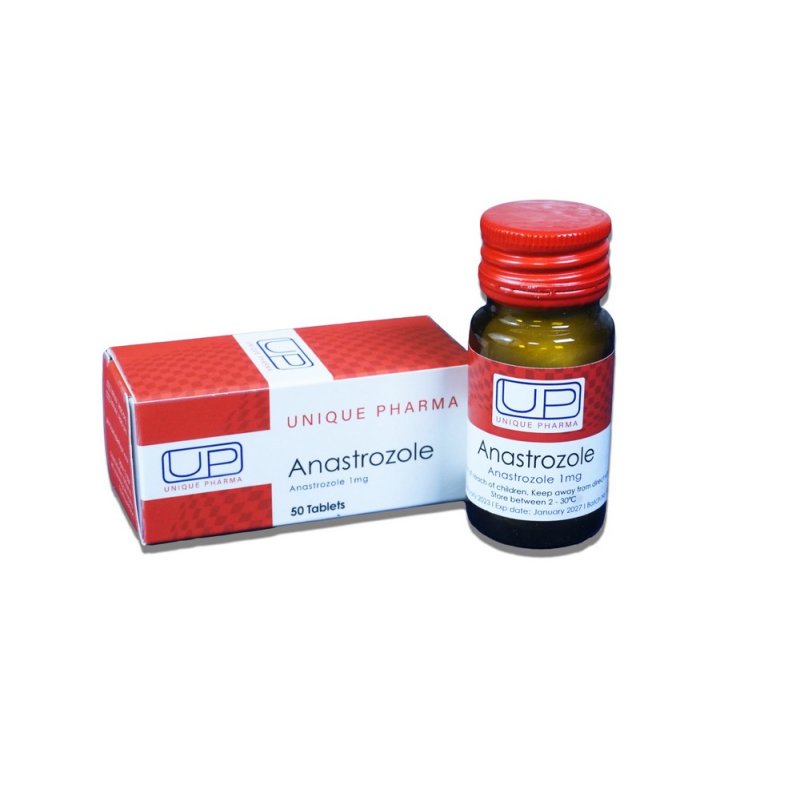
Anastrozole Pharmaceutical: Purpose and Overview
Anastrozole Pharmaceutical is a prescription medication primarily used in the treatment of hormone receptor-positive breast cancer in women, particularly after menopause. It belongs to a class of drugs known as aromatase inhibitors, which work by reducing the amount of estrogen produced in the body. In certain types of breast cancer, estrogen can fuel tumor growth, making it crucial to lower estrogen levels to help slow down or stop the progression of the disease. Anastrozole is often prescribed as part of a treatment plan to help reduce the risk of cancer recurrence following surgery or radiation therapy.
Typical Users and Contexts of Application
Anastrozole is commonly used by postmenopausal women diagnosed with early-stage or advanced breast cancer. This medication is particularly suited for individuals whose tumors have tested positive for hormone receptors, indicating that they may respond to estrogen deprivation. Clinicians usually consider several factors before prescribing Anastrozole, including the stage of cancer, previous treatments, and any underlying health conditions. Healthcare providers may also recommend Anastrozole for women at a high risk of developing breast cancer based on genetic factors or family history. It is important for users to engage in regular follow-up consultations and monitor their health conditions to ensure optimal treatment outcomes.
Strengths and Distinguishing Characteristics of Anastrozole Pharmaceutical
Anastrozole Pharmaceutical stands out from other treatment options due to its unique mechanism of action that specifically targets estrogen production. Unlike selective estrogen receptor modulators (SERMs), which block estrogen receptors, Anastrozole decreases the overall levels of estrogen in the body. This can lead to different side effects and benefits, making it a preferred choice for many healthcare professionals. Additionally, clinical studies have demonstrated that Anastrozole can significantly reduce the risk of cancer recurrence compared to other therapies like tamoxifen, especially in postmenopausal females. Its effectiveness has made it one of the most widely prescribed aromatase inhibitors, contributing to improved outcomes for patients with hormone receptor-positive breast cancer.
Benefits of Anastrozole Pharmaceutical
Choosing Anastrozole Pharmaceutical can provide several notable benefits, including:
- Effective reduction of estrogen levels, which can help slow or stop the growth of hormone-sensitive tumors.
- Evidence of improved survival rates in women with early-stage breast cancer compared to some other treatment options.
- Dosing convenience, with a standard regimen of once-daily oral administration, making it easier for patients to comply with their treatment.
- Research support showing its effectiveness in preventing cancer recurrence, promoting long-term remission in some patients.
- Generally favorable tolerance and safety profile, allowing many patients to use it with manageable side effects compared to some alternative therapies.
Important Considerations Before Use
Before starting Anastrozole Pharmaceutical, patients should discuss their full medical history with their healthcare provider, as certain contraindications exist. Women who are pregnant or breastfeeding should not use this medication, as it could harm the developing fetus or infant. Additionally, patients should inform their doctors about any other medications they are taking, including over-the-counter drugs and supplements, to avoid potential interactions. Individuals with a history of blood clots, liver disease, or osteoporosis should be monitored carefully during treatment, as the use of Anastrozole may exacerbate these conditions. Regular monitoring and follow-up with healthcare professionals are essential to ensure safe and effective treatment outcomes while using Anastrozole.
| Features | |
| Also known as | Anastrol, Anastrozolo |
| Blood pressure | Can cause changes in blood pressure, monitor regularly |
| Chemical name | 2,2'-(5-(1H-1,2,4-triazol-1-ylmethyl)-1,3-phenylene)bis(2-methylpropanenitrile) |
| Dosage (medical) | 1 mg once daily |
| Dosage (sports) | Not officially recommended, varies widely, typically 0.5 mg to 1 mg every other day |
| Effects | Reduces estrogen levels, increases testosterone levels |
| Formula | C17H19N5 |
| Half-life | 46.8 hours |
| Hepatotoxicity | Low, rare cases of liver enzyme elevations |
| Lab Test | Monitors estrogen levels and liver function |
| Main action | Inhibits enzyme aromatase, reducing estrogen production |
| Side effects | Hot flashes, joint stiffness or pain, weakness, sore throat, depression, nausea, and vomiting |
| Storage conditions | Store at room temperature away from moisture and heat |
| Substance class | Aromatase inhibitor |
| Trade name | Arimidex |
| Use in sports | Used to control estrogen levels and prevent gynecomastia in anabolic steroid users |
| Water Retention | Reduces water retention |
| Manufacturer | Pharmaceutical |