
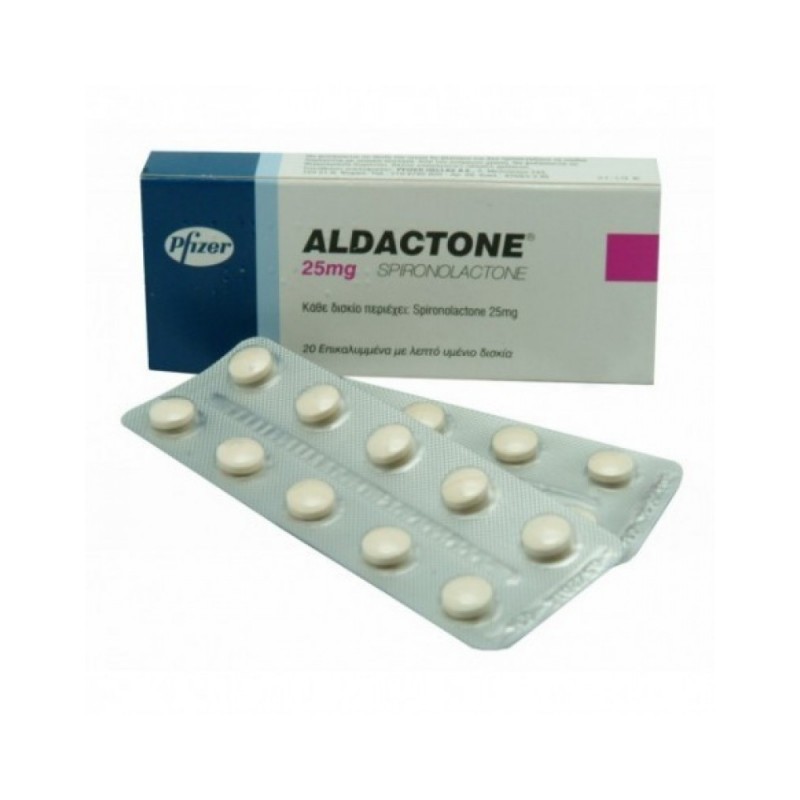
Aldactone-A Pfizer: Understanding Its Mechanism and Benefits
Aldactone-A Pfizer is a renowned diuretic medication effective in treating various conditions, including high blood pressure, heart failure, and certain hormonal disorders. The active ingredient in Aldactone-A Pfizer is spironolactone, a potassium-sparing diuretic that works by inhibiting the actions of aldosterone, a hormone that promotes sodium and water retention. By blocking this hormone, Aldactone-A Pfizer helps the kidneys excrete excess sodium and water while retaining potassium, leading to reduced fluid buildup in the body and improved blood circulation. This dual action not only aids in lowering blood pressure but also contributes to better heart functionality and prevents conditions like edema.
Forms and Types of Aldactone-A Pfizer
Aldactone-A Pfizer is typically available in oral tablet form, making it easy for patients to incorporate into their daily routine. The medication is usually prescribed in various dosages, allowing healthcare professionals to tailor treatment plans according to individual needs. These dosages can include 25 mg, 50 mg, and 100 mg tablets, which provide flexibility in management based on factors like severity of the condition and patient response. With the tablet format, patients can conveniently consume the medication with water, ensuring consistent adherence to their treatment regimen.
Distinctive Features of Aldactone-A Pfizer
One of the primary distinctions of Aldactone-A Pfizer compared to other diuretics lies in its potassium-sparing properties. Unlike many diuretics that can lead to potassium depletion, Aldactone-A Pfizer helps retain potassium levels in the body, making it a safer option for patients who are at risk of hypokalemia. Additionally, its unique mechanism allows it to be utilized for treating conditions linked to hormonal imbalances, such as polycystic ovary syndrome (PCOS) and certain cases of acne. Given its effectiveness in managing these specific conditions, Aldactone-A Pfizer presents an appealing choice for patients seeking a multi-faceted approach to their health issues.
Long-Term Effects and Contraindications of Aldactone-A Pfizer
The long-term use of Aldactone-A Pfizer can lead to significant improvements in managing chronic conditions like hypertension and heart failure. Patients may also experience enhanced quality of life through decreased symptoms associated with edema and hormonal imbalances. However, it is crucial to be aware of the contraindications associated with this medication. Aldactone-A Pfizer is generally not suitable for pregnant women, particularly during the first trimester, as it might affect fetal development. Moreover, individuals with severe renal impairment, hyperkalemia, or those taking certain medications that increase potassium levels should exercise caution and consult their healthcare providers before starting treatment. Regular monitoring of kidney function and electrolyte levels is essential while on this medication.
Practical Tips for Using Aldactone-A Pfizer
When considering Aldactone-A Pfizer for your treatment plan, it is crucial to consult with a healthcare professional to ensure it is the right choice for you. Begin by discussing your medical history, current medications, and any underlying health conditions that may affect your treatment. Always follow the prescribed dosage and schedule to maintain optimal effectiveness while minimizing potential side effects. It is advisable to take the medication at the same time each day for consistency. Also, be vigilant about symptoms of potential side effects such as dizziness, fatigue, or changes in potassium levels. Keeping an open line of communication with your healthcare provider will facilitate adjustments to your treatment plan and ensure you achieve the best possible outcomes with Aldactone-A Pfizer.
| Features | |
| Acne | No |
| Active substance | Spironolactone |
| Also known as | Water pills, aqua pills |
| Aromatization | No |
| Blood pressure | Typically lowers blood pressure |
| Chemical name | Varies by specific diuretic (e.g., Furosemide, Hydrochlorothiazide, Spironolactone) |
| Dosage (medical) | Varies by specific diuretic and condition treated (e.g., Furosemide: 20-80 mg/day, Hydrochlorothiazide: 12.5-50 mg/day) |
| Dosage (sports) | Not recommended for non-medical use |
| Effects | Increased urine output, electrolyte balance disruption |
| Formula | Varies by specific diuretic |
| Half-life | Varies by specific diuretic (e.g., Furosemide: 2 hours, Hydrochlorothiazide: 6-12 hours) |
| HBR | No |
| Hepatotoxicity | No |
| Lab Test | Blood and urine tests for electrolyte levels and kidney function |
| Main action | Increase urine production by the kidneys |
| Side effects | Dehydration, electrolyte imbalances, kidney dysfunction, dizziness |
| Storage conditions | Store in a cool, dry place away from light |
| Substance class | Diuretics |
| Trade name | Varies by specific diuretic (e.g., Lasix, Microzide, Aldactone) |
| Use in sports | Often misused for rapid weight loss or as a masking agent for other performance-enhancing drugs |
| WAREHOUSE | International Warehouse 2 |
| Water Retention | No |
| Manufacturer | Pfizer |