
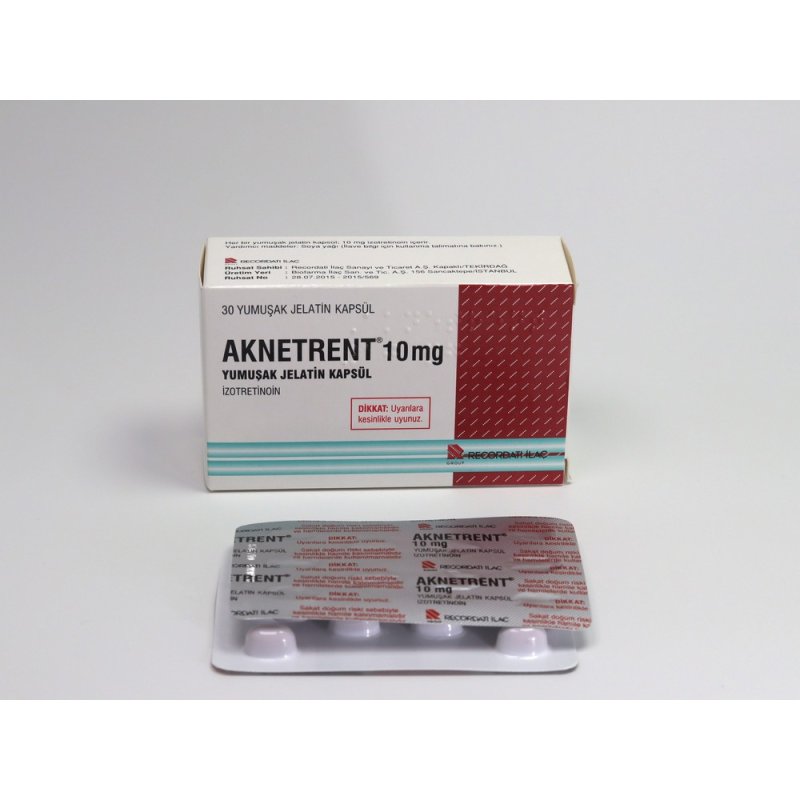
What Defines Aknetrent (Accutane) 10mg Recordati
Aknetrent (Accutane) 10mg Recordati is a powerful medication primarily used for treating severe forms of acne, notably nodular or cystic acne that has not responded well to other treatments. Its active ingredient, isotretinoin, is a derivative of vitamin A that works by reducing oil production in the skin while promoting skin cell turnover. This dual action helps unclog pores, diminish inflammation, and ultimately lead to clearer skin.
One of the key characteristics of Aknetrent is its ability to address the underlying causes of acne rather than just its symptoms. By targeting the sebaceous glands, isotretinoin effectively reduces the amount of sebum produced, which is a major contributing factor to acne development. Additionally, Aknetrent helps in normalizing the keratinization process, thus preventing the formation of comedones, the skin imperfections that commonly precede acne breakouts.
Due to its potent nature, Aknetrent (Accutane) is typically reserved for patients who have not achieved satisfactory results from other therapies, including topical retinoids, antibiotics, and hormonal treatments. Because of the potential for serious side effects, it is crucial for healthcare providers to conduct thorough evaluations to determine if this medication is the best choice for a patient’s specific acne condition.
Forms and Presentation of Aknetrent (Accutane) 10mg Recordati
Aknetrent (Accutane) 10mg Recordati is available in capsule form, making it easy for patients to incorporate it into their daily routines. Each capsule contains 10mg of isotretinoin, and it is commonly prescribed to be taken once or twice daily, depending on the severity of the acne and the individual’s response to the medication.
The capsules are usually packaged in bottles of varying sizes, and it’s essential for patients to follow their healthcare provider’s dosing recommendations carefully. This pharmaceutical format ensures a consistent level of medication in the bloodstream, contributing to the effectiveness of Acne treatment over time.
Patients need to take Aknetrent with food to enhance absorption. This is critical as the bioavailability of isotretinoin is significantly increased when taken alongside a meal that contains fat. It is, therefore, advisable to consume the medication with a meal for optimal results.
Main Differences from Other Treatments
One of the significant differences between Aknetrent (Accutane) 10mg Recordati and other acne treatments lies in its mechanism of action. While many conventional treatments focus on reducing bacteria or inflammation, Aknetrent targets the root causes of acne by addressing oil production and skin cell turnover.
Moreover, isotretinoin is unique in its long-lasting effects. Many patients experience significant and often permanent improvement in their acne symptoms after completing a course of Aknetrent. This advantage stands in contrast to topical treatments and antibiotics, often requiring ongoing use to maintain results.
Users considering Aknetrent should also be mindful of the potential side effects that may not be as widely associated with other acne therapies. While it can be highly effective, the risk of severe side effects, including teratogenic effects (birth defects), necessitates careful consideration and monitoring by healthcare providers. Patients should have a thorough discussion about the possible risks and benefits before initiating treatment.
Long-Term Effects and Contraindications
When considering the long-term use of Aknetrent (Accutane) 10mg Recordati, it's essential to assess both its impressive efficacy and the potential adverse effects associated with isotretinoin. Long-term users often report lasting improvements in their skin, leading to reduced acne recurrence compared to traditional therapies. However, the side effects can be significant and sometimes severe. These include, but are not limited to, skin dryness, alterations in mood, and potential effects on liver function or lipid profiles.
Contraindications must also be taken seriously. For instance, pregnant women or those planning pregnancy should avoid Aknetrent due to its proven teratogenic potential. Additionally, individuals with certain health conditions, such as chronic liver disease or significant hyperlipidemia, should not use this medication. Likewise, it may not be suitable for children or individuals who are sensitive to isotretinoin, as its effects and side effects can be more pronounced in these populations.
Practical Advice on Choosing and Using Aknetrent (Accutane) 10mg Recordati
Choosing to use Aknetrent (Accutane) 10mg Recordati should involve a detailed conversation with a healthcare provider to weigh the potential benefits against the risks associated with isotretinoin therapy. It is crucial to undergo necessary evaluations to ensure that this medication aligns with the individual's specific health profile and acne severity.
Once prescribed, adherence to the prescribed dosage is vital for success. Patients should consistently follow their healthcare provider's instructions regarding how to take the medication, including the need to consume it with food for maximum absorption. Regular follow-ups during treatment are necessary to monitor any side effects and adjust dosing if needed.
Additionally, it is advisable for patients to maintain proper skin care regimens while on Aknetrent. Gentle cleansers and moisturizers can help mitigate some of the dryness associated with isotretinoin therapy without exacerbating acne. For best results and safety, patients should avoid taking other acne medications or supplements without consulting their healthcare provider first.
In summary, Aknetrent (Accutane) 10mg Recordati offers a potent solution for individuals struggling with severe acne. With its unique action, long-term benefits, and careful consideration of contraindications and side effects, this medication can significantly improve skin health and quality of life for eligible patients.
| Features | |
| Active substance | Isotretinoin |
| Also known as | 13-cis-Retinoic acid |
| Blood pressure | No significant effect |
| Chemical name | (2Z,4E,6E,8E)-3,7-dimethyl-9-(2,6,6-trimethylcyclohexen-1-yl)nona-2,4,6,8-tetraenoic acid |
| Dosage (medical) | Typically 0.5 to 1 mg per kg of body weight per day, taken in two divided doses |
| Dosage (sports) | Not applicable |
| Effects | Reduces acne, decreases sebum production, promotes skin renewal |
| Formula | C20H28O2 |
| Half-life | 10-20 hours |
| Hepatotoxicity | Moderate, requires periodic liver function tests |
| Lab Test | Liver function tests, lipid profiles, pregnancy tests |
| Main action | Reduces sebum production, corrects abnormal keratinization, has anti-inflammatory properties |
| Side effects | Dry skin, lips and eyes, itching, nosebleeds, muscle aches, sensitivity to sunlight, decreased night vision, potentially severe birth defects if taken during pregnancy |
| Storage conditions | Store at controlled room temperature (15-30В°C), protect from light |
| Substance class | Retinoid |
| Trade name | Accutane, Roaccutane, Claravis, others |
| Use in sports | None |
| Water Retention | No |
| Manufacturer | RECORDATI ILAC, Turkey |
| Packing | 30 caps (10mg/cap) |