
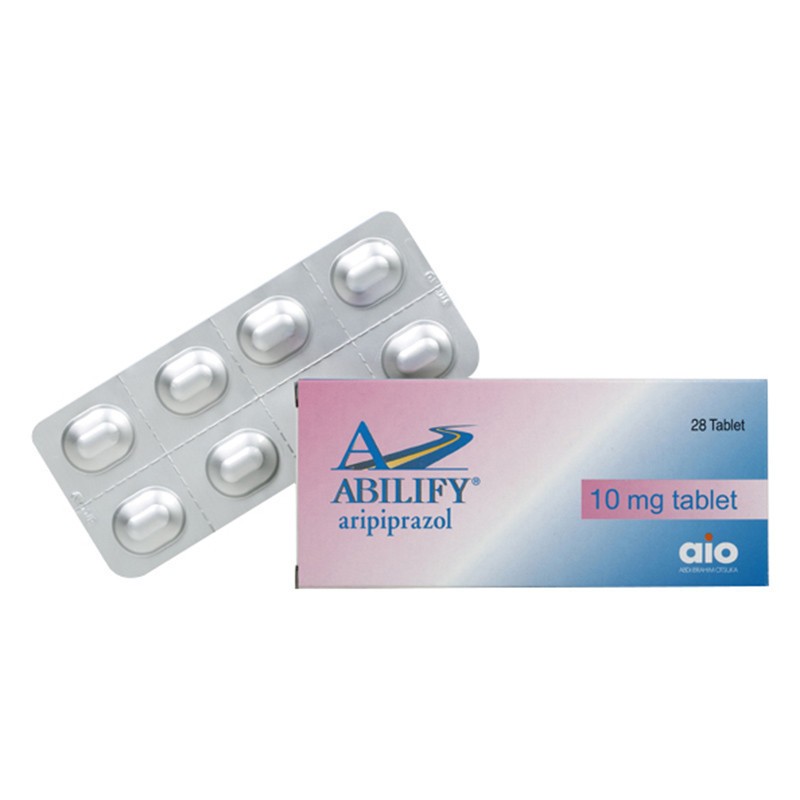
Define Abilify 10 Abdi Ibragim and Explain Its General Purpose
Abilify 10 Abdi Ibragim is a prescription medication that contains aripiprazole as its active ingredient. It belongs to the class of drugs known as atypical antipsychotics. The primary purpose of Abilify is to manage symptoms associated with various mental health conditions, including schizophrenia, bipolar disorder, and depression. By stabilizing mood and reducing psychotic symptoms, this medication serves as a vital component in the treatment landscape for individuals experiencing complex mental health challenges.
In addition to its primary indications, Abilify may also be prescribed for other conditions as deemed appropriate by healthcare professionals. The formulation of 10 mg allows for tailored dosing, enabling physicians to fine-tune the amount of medication to best suit each patient's unique needs. This specificity can contribute to enhanced therapeutic outcomes and improved quality of life for those undergoing treatment.
By interacting with neurotransmitters in the brain, particularly dopamine and serotonin, Abilify is believed to facilitate a more balanced mood and help mitigate severe mood swings. This characteristic makes it invaluable for treating disorders that typically exhibit both manic and depressive episodes.
Describe How Abilify 10 Abdi Ibragim Fits into Broader Treatment Strategies or Usage Approaches
In the realm of mental health treatment, Abilify 10 Abdi Ibragim plays a significant role in comprehensive therapy approaches that often consist of psychotherapy, lifestyle modifications, and medication management. Physicians typically consider a multidisciplinary approach to address the complex nature of mental health disorders. The integration of medication such as Abilify ensures that symptoms are effectively managed, allowing patients to engage more fully in therapeutic interventions like cognitive-behavioral therapy (CBT) or other evidence-based practices.
Moreover, Abilify is often part of a strategy that aims to prevent the recurrence of episodes in patients diagnosed with bipolar disorder or schizophrenia. Its ability to stabilize mood and mitigate symptoms contributes to a consistent therapeutic regimen that not only addresses current instances of mental health crises but also aims to build a foundation for long-term recovery.
The selection of Abilify in treatment protocols often derives from its favorable side effect profile relative to other antipsychotic medications. It is essential in health care settings to continually assess the benefits and risks of treatment options available to patients, ensuring that each individual receives the most appropriate medications for their specific conditions.
Explain the Advantages Users Typically Expect from This Preparation
Users of Abilify 10 Abdi Ibragim generally expect several distinct advantages that make it a preferred choice among similar medications. These advantages can significantly impact a patient's overall treatment journey. Key expectations include:
- Effective symptom relief: Many users report a noticeable reduction in symptoms associated with their mental health disorders, allowing for improved daily functioning.
- Low incidence of sedation: Compared to traditional antipsychotics, Abilify is known for having a lower sedative effect, which can enhance a patient's ability to engage in their everyday activities.
- Reduced risk of weight gain: Patients often prefer Abilify due to its lower likelihood of causing significant weight gain, a common side effect of many antipsychotic medications.
- Improved mood stabilization: Individuals commonly experience better mood stability, which is crucial for those managing bipolar disorder or severe depression.
- Flexibility in dosing: The 10 mg formulation allows for customized dosage adjustments, facilitating better therapeutic outcomes tailored to individual needs.
These advantages underscore why Abilify is frequently chosen by healthcare professionals and patients committed to managing complex mental health conditions effectively.
Discuss Risks, Precautions, and Contraindications for Use of This Preparation
While Abilify 10 Abdi Ibragim offers numerous benefits, it is imperative to discuss the associated risks, precautions, and contraindications. Potential side effects may include nausea, headache, dizziness, restlessness, or anxiety. Some patients also experience fluctuations in blood sugar levels or changes in cholesterol, necessitating regular monitoring by healthcare providers.
Certain populations may be at higher risk for adverse reactions. For instance, individuals with a history of cardiovascular disease, seizures, or those who are pregnant or breastfeeding should exercise particular caution and consult their healthcare provider before initiating treatment with Abilify. Furthermore, elderly patients with dementia-related psychosis are advised against using this medication due to potential increased risk of mortality.
It is essential that patients disclose their full medical history, including any other medications being taken, to ensure that Abilify is a safe choice and to prevent harmful interactions.
Conclude with Guidance on How Users Should Approach Understanding and Using Abilify 10 Abdi Ibragim Responsibly
Understanding and utilizing Abilify 10 Abdi Ibragim responsibly is crucial for achieving optimal therapeutic outcomes. Patients should engage in open communication with their healthcare providers to ensure that all aspects of their mental health treatment are fully understood. Discussing concerns regarding potential side effects, treatment goals, and any lifestyle changes necessary can empower patients in their recovery journey.
Adhering to prescribed dosages and attending regular follow-ups are essential elements of responsible medication use. Patients should also be encouraged to maintain a balanced diet and incorporate regular physical activity into their routines to mitigate some risks associated with long-term use of antipsychotic medications.
In summary, while Abilify 10 Abdi Ibragim is an effective medication for various mental health conditions, responsible usage involves being well-informed, carefully monitored, and actively engaged with healthcare providers. This proactive approach will maximize the benefits of treatment while minimizing potential risks, ultimately leading to improved mental health and quality of life.
| Features | |
| Acne | No |
| Active Half-Life | 24 hours |
| Active substance | Aripiprazole |
| Also known as | OPC-14597, OPC-31 |
| Aromatization | No |
| Blood pressure | Can cause orthostatic hypotension |
| Chemical name | 7-{4-[4-(2,3-Dichlorophenyl)piperazin-1-yl]butoxy}-3,4-dihydroquinolin-2(1H)-one |
| Classification | Antipsychotic |
| Dosage | 5-30 mg/day |
| Dosage (medical) | Typically starts at 10-15 mg once daily for schizophrenia, 2-15 mg once daily for bipolar disorder |
| Dosage (sports) | Not applicable |
| Effects | Antipsychotic, mood stabilization, reducing symptoms of schizophrenia and bipolar disorder |
| Formula | C23H27Cl2N3O2 |
| Half-life | Approximately 75 hours |
| HBR | Perhaps |
| Hepatotoxicity | Low |
| Lab Test | Monitoring blood levels is not typically required, but lipid profiles, blood glucose, and weight should be monitored |
| Main action | Dopamine D2 and serotonin 5-HT1A receptor partial agonist |
| Side effects | Anxiety, insomnia, nausea, vomiting, blurred vision, somnolence, restlessness, tremor |
| Storage conditions | Store at room temperature, 15-30В°C (59-86В°F) |
| Substance class | Atypical antipsychotic |
| Trade name | Abilify, Aripiprex |
| Use in sports | None |
| WAREHOUSE | International Warehouse 2 |
| Water Retention | No |
| Manufacturer | Abdi Ibrahim |